
当日/次日达

品质保障

开启新人专享福利: 全场免邮 | 低至 2 折 | 免费试用 30 天 JoyPlus 会员
下载 Joybuy
A hyaluronic acid serum may seem simple at first glance: apply a few drops and you’re done. However, serums can differ greatly in their formulation, texture, size and additional ingredients. A product that works well for normal skin may be less suitable for sensitive or dehydrated skin.
The three most common pitfalls:
On an ingredients list, you may come across Sodium Hyaluronate, Hyaluronic Acid, Hydrolyzed Hyaluronic Acid or Sodium Hyaluronate Crosspolymer. These are different forms within the same ingredient group. A formula containing several variants is often positioned as multi-molecular or multi-layer hyaluronic acid.
That does not automatically mean the product is a better match for you. Also look for additional humectants such as glycerine, panthenol, beta-glucan or NMF ingredients. For a serum for dehydrated skin, the overall formula matters more than one prominent ingredient on the front of the packaging.
For a serum for dry skin, a formula containing glycerine, panthenol, ceramides or a slightly richer texture may feel comfortable. If you are looking for a serum for sensitive skin, consider a simple ingredients list, fragrance-free options and clear warnings.
Other combinations have a more specific purpose:
A watery serum usually absorbs quickly and works well under sun cream or make-up. A gel serum may feel slightly richer, while an ampoule may be intended as an additional step in a Korean skincare serum routine.
Also check:
The recommendations below are based on verifiable details from the supplied product information, such as size, ingredients, texture and usage advice.
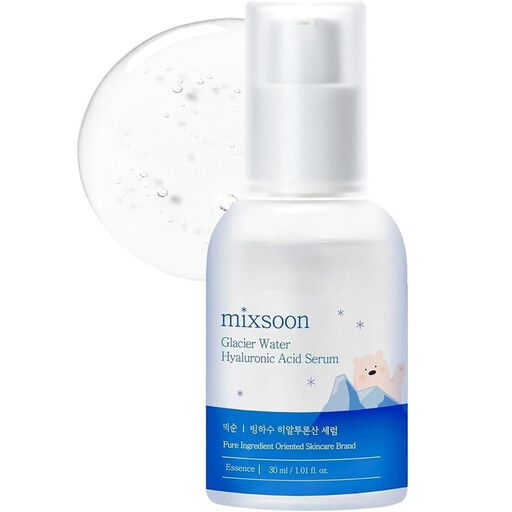
Why it suits this profile: A straightforward choice for anyone looking for a lightweight facial serum without a long list of active ingredients. The formula contains water, glacier water, butylene glycol and sodium hyaluronate.
The product information describes a lightweight, fast-absorbing texture and provides clear usage advice. This means you do not have to rely solely on a general hydration claim.
30 ml; short ingredients list; suitable for daily use in the morning and evening according to the product information.
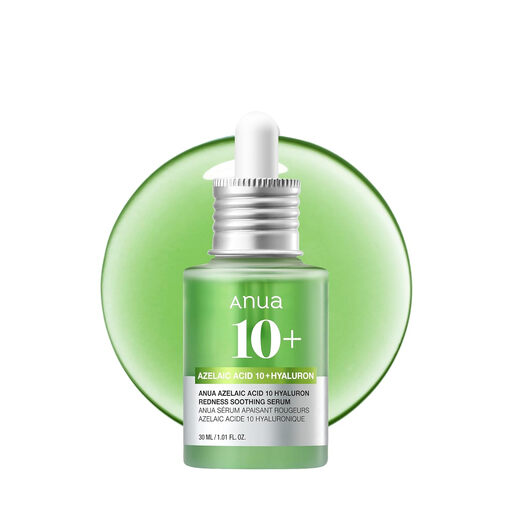
Why it suits this profile: For anyone who wants to combine hydration with a targeted routine for redness or an uneven-looking complexion, and is prepared to introduce active ingredients gradually.
The usage instructions recommend starting with once or twice a week. They also warn about possible dryness, making a patch test important.
30 ml; contains 10% azelaic acid, sodium hyaluronate, niacinamide, panthenol, centella and ceramide NP according to the ingredients list.
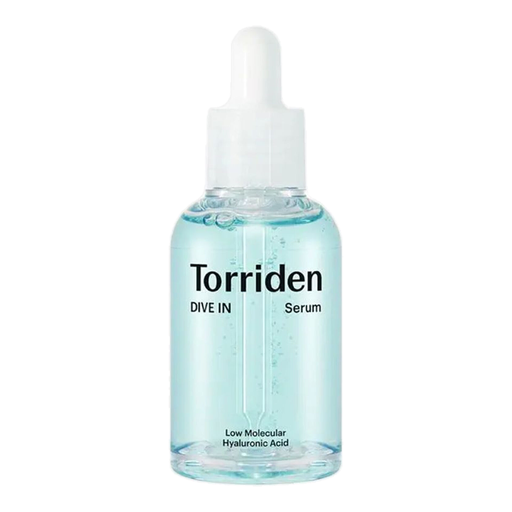
Why it suits this profile: A generous 50 ml size for daily use, with five forms of hyaluronic acid and additional ingredients such as panthenol, ceramide NP and beta-glucan.
The product information lists not only five types of hyaluronic acid, but also the texture, additional ingredients and the advice to apply a moisturiser after use.
50 ml; fragrance-free according to the product description; multi-molecular hyaluronic acid formula with panthenol and ceramide NP.
We have put together a complete, up-to-date list of products that fully meet these strict selection criteria and the applicable European safety regulations.
After cleansing, apply two to a few drops. Many formulas feel comfortable on slightly damp skin. Gently press the serum into the skin rather than rubbing vigorously. Follow with a moisturiser, especially when your skin feels dry.
During the day, sun cream is an essential part of a routine featuring ingredients aimed at an uneven complexion. The same applies to a niacinamide serum or centella asiatica serum: introduce new products one at a time so you can better assess how your skin responds.
According to the product instructions, a simple hydrating serum can often be used in the morning and evening. For a formula containing azelaic acid, acids or multiple active ingredients, it is better to introduce it gradually. Always follow the label.
Not always. Hyaluronic acid acts as a humectant, but a serum does not automatically replace a moisturiser. Particularly for dry or dehydrated skin, a cream can help the comfortable feeling last for longer.
This depends on the size and the number of drops used each time. A 20 or 30 ml bottle is convenient for daily use with a few drops; 50 or 100 ml sizes will generally last longer with the same usage. Store the serum according to the packaging instructions and observe the shelf-life information.
