
Vandaag of morgen in huis

Kwaliteit gegarandeerd

Welkomstaanbiedingen ontgrendelen: GRATIS bezorging | Tot 80% korting | Gratis 30 dagen JoyPlus-proefperiode
Download de app
As a Joybuy Product Recommendation Officer, I see the popularity of hyaluronic acid serum grow every day. It's touted as the ultimate solution for dry, dehydrated skin and as an effective anti-aging serum. But with so many choices and marketing promises, it's easy to pick a product that doesn't suit your skin or simply fails to deliver on its claims.
Before you invest in a new hyaluronic acid face serum, it's wise to be aware of a few common pitfalls:
To make an informed choice, it's helpful to understand two core aspects of a hyaluronic acid serum. This will help you distinguish marketing jargon from actual product features.
Hyaluronic acid isn't a single ingredient. It comes in different molecular sizes, and each size has a different function:
An effective hydrating serum often contains a mix of different molecular weights. This allows you to benefit from hydration at all levels, from an immediate 'plump' to deeper, lasting moisture.
A higher percentage of hyaluronic acid isn't necessarily better. A concentration of 2% is widely considered highly effective. What's more important are the other ingredients in the formula. A good serum for dry skin combines hyaluronic acid with other active ingredients that enhance its effects:
Based on product specifications and formulas, we have selected a number of serums that suit different needs and budgets.
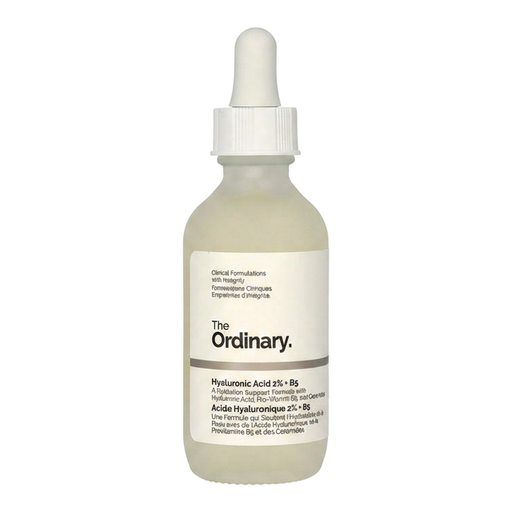
Why it's a match: Ideal for those looking for a no-nonsense, effective, and affordable serum. It focuses purely on hydration without unnecessary additives, perfect for getting acquainted with the benefits of hyaluronic acid.
This serum combines low, medium, and high molecular weight hyaluronic acid with the addition of Vitamin B5. This provides multi-level hydration and soothes the skin, instead of just leaving a sticky layer behind.
A proven, effective formula with a focus on pure hydration and skin barrier support. The value for money is excellent.
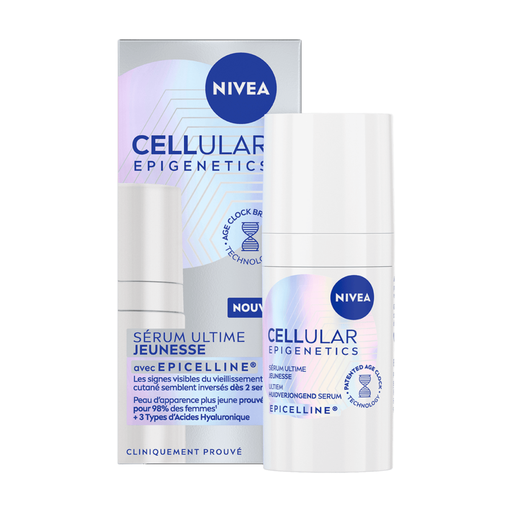
Why it's a match: For those who want more than just hydration and aim to specifically target signs of aging like wrinkles and loss of firmness.
This serum goes beyond the 'filler' illusion. It combines 3 types of hyaluronic acid with NIVEA's patented ingredient EPICELLINE, designed to work at a cellular level for a more structural approach to skin aging.
An advanced formula that combines hydration with a targeted anti-aging approach. According to the brand's clinical studies, signs of skin aging are reduced in 2 weeks.
We have compiled a complete, up-to-date list of products that meet these selection criteria and current regulations.
A hyaluronic acid serum is generally gentle enough for daily use. You can apply it both in the morning and evening after cleansing your face and before your moisturiser. Consistency is key to achieving good results.
For optimal performance, it's best to apply hyaluronic acid serum to slightly damp skin. Hyaluronic acid attracts moisture, so by applying it to a damp surface, you help it lock in moisture from the environment (and your skin), leading to better hydration. Using a toner or face mist before the serum is a great method.
Yes, hyaluronic acid is a team player. It pairs excellently with most other active ingredients like retinol, vitamin C, niacinamide, and AHAs/BHAs. It can even help reduce potential irritation from more potent ingredients by keeping the skin hydrated and calm. However, always read the instructions for use for the specific products you are combining.
