
Same-day & Next-day Delivery

Quality Guaranteed

Unlock Your Welcome Offers: FREE Delivery | Up to 80% OFF | Free 30-day JoyPlus trial
Download the APP
A hyaluronic acid serum might seem like a straightforward purchase, but the options vary considerably. There are lightweight facial serums, concentrated ampoules, Korean skincare serums and body products containing hyaluronic acid. The right choice depends on your skin type, the formula and the area of use.
Pay particular attention to three common pitfalls:
Hyaluronic acid is a moisture-binding ingredient. Applied to damp skin, it can attract water and contribute to a supple skin feel. On ingredient lists, you'll commonly find Hyaluronic Acid, Sodium Hyaluronate and Hydrolyzed Hyaluronic Acid.
The different forms can offer a different texture and skin experience. A low-molecular-weight variant is often used in formulas that feel light, while sodium hyaluronate is common in hydrating serums. That doesn't automatically mean one variant works better for everyone. Look at the full ingredient list and see how your skin responds.
You'll typically use a hydrating serum after cleansing, possibly after toner, and before a moisturiser. Apply a few drops to slightly damp skin and finish with a moisturiser. During the day, sun protection is part of a complete routine, especially if you're also using other active ingredients.
Alongside hyaluronic acid, look for additional humectants such as glycerine, panthenol or betaine. For dry skin, soothing ingredients like ceramides, oils or dimethicone may also be relevant.
A serum for sensitive skin deserves extra scrutiny. Fragrance and fragrance allergens such as linalool, limonene, benzyl alcohol or citronellol may be less suitable for some users. Always check the current packaging; ingredients can change.
A facial serum for dry skin isn't automatically suitable for a dry scalp, damaged skin or the eye area. Follow the manufacturer's usage instructions.
A 20ml or 30ml bottle can be sufficient when you only need a few drops per use. For the body, 250ml or 400ml is more practical. Also pay attention to the dispensing system: a pump can be handy for lotion, while a pipette offers precise dosing for a serum.
Store the product according to the packaging, usually tightly closed, at room temperature and away from direct sunlight. Discontinue use if you experience redness, itching or irritation, and avoid contact with the eyes. For sensitive skin, a patch test on a small area is a sensible precaution.
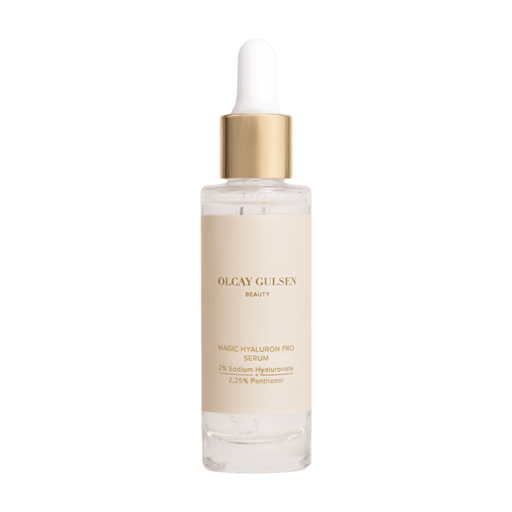
Why this fits the profile: A compact facial serum for anyone looking for a simple hydrating step. According to the product description, the formula contains hyaluronic acid and panthenol and is intended for various skin types.
The product information mentions not only hyaluronic acid but also panthenol. Do check whether the current ingredient list suits your skin.
30ml, a light serum texture and a formula with hyaluronic acid and panthenol according to the product description.
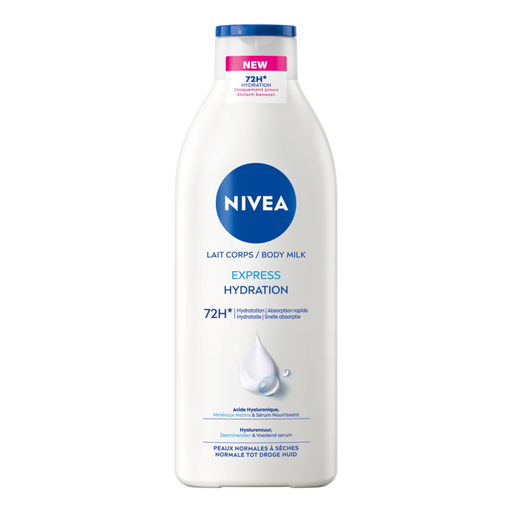
Why this fits the profile: A practical choice for anyone not looking for a facial serum, but daily care for normal to dry body skin.
The packaging clearly states that this is a body lotion. Do watch out for fragrance allergens in the ingredient list.
400ml, glycerine, sodium hyaluronate and a light formula according to the product information.
We've put together a full, up-to-date list of products that fully meet these strict selection criteria and comply with current European safety regulations.
Cleanse your face and apply the serum to slightly damp skin. Use a few drops and distribute them over your face and neck. Then apply a moisturiser. For an ampoule, always follow the specific instructions on the packaging.
It can be, but first check the ingredient list. Preferably choose a formula without any known ingredients to which you've previously reacted. A patch test on a small area of skin helps to assess tolerance. Discontinue use if irritation occurs.
That depends on the volume, the dosage and the frequency of use. A 20ml to 30ml bottle used daily with a few drops will generally last longer than a product applied generously over the entire face and neck. Also check the shelf life and the period after opening on the packaging.
