
Livraison le jour même et le lendemain

Qualité garantie

Débloquez vos offres de bienvenue: Livraison GRATUITE | Jusqu'à -80 % | 30 jours d'essai gratuits à JoyPlus
Téléchargez l'application
A hyaluronic acid serum can be a simple addition to your daily skincare routine, especially if your skin feels dry, tight or dehydrated. However, not all hydrating face serums are the same. A lightweight gel texture, several forms of hyaluronic acid or a long ingredients list don’t, on their own, tell you whether a serum is right for your skin.
The most common buying mistakes are:
Hyaluronic acid is often listed on labels as hyaluronic acid, sodium hyaluronate or hydrolyzed hyaluronic acid. Some products combine different forms or molecular weights. This may suit anyone looking for a serum that leaves skin looking plump and radiant, but the name alone doesn’t guarantee a particular result.
Also look out for additional ingredients:
Always check the current ingredients on the packaging. Formulas can change.
A fast-absorbing serum is practical under a day cream or sunscreen. Many people find gel formulas feel lightweight, while a richer ampoule may be a better fit for dry skin, especially in winter.
If you have sensitive skin, pay particular attention to:
A serum for sensitive skin won’t automatically suit everyone. Test a small amount on a limited area of skin first, and stop using it if redness, itching or a burning sensation persists. Don’t apply serum to broken skin.
A 20, 30, 40, 50 or 100 ml bottle can make a big difference to the price. So, don’t compare just the selling price. Also check:
A hyaluronic acid serum is usually applied after cleansing and, if you use one, after toner. Follow with a moisturiser. Sun protection should be part of your daytime routine, especially if you’re also using other active ingredients.
The recommendations below are based on verifiable product details such as size, listed ingredients, directions for use and product type. Claims about visible effects come from the brands’ product descriptions and aren’t presented here as guaranteed results.
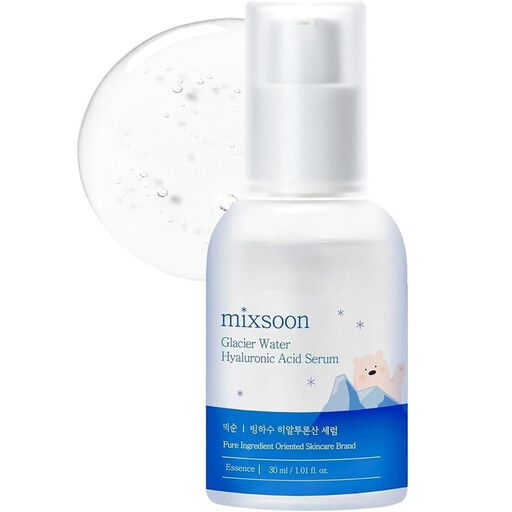
Why it suits this profile: A simple option if you’re trying a hydrating face serum for the first time and prefer a short ingredients list.
The product information lists water, glacier water, butylene glycol and sodium hyaluronate. This makes it clear which basic ingredients you’re buying, without a long list of multiple potent actives.
30 ml, a lightweight texture according to the product description, and suitable for use morning and evening.
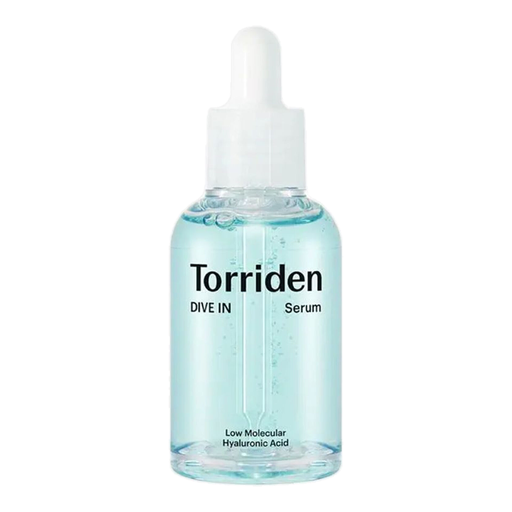
Why it suits this profile: A good fit for anyone looking for a Korean skincare serum with several hydrating ingredients and ingredients aimed at supporting the skin barrier.
The product description lists five forms of hyaluronic acid, panthenol, ceramide NP and beta-glucan. You can compare these ingredients directly rather than relying only on the phrase “intensive hydration”.
50 ml, fragrance-free according to the product information, and suitable for use morning and evening.
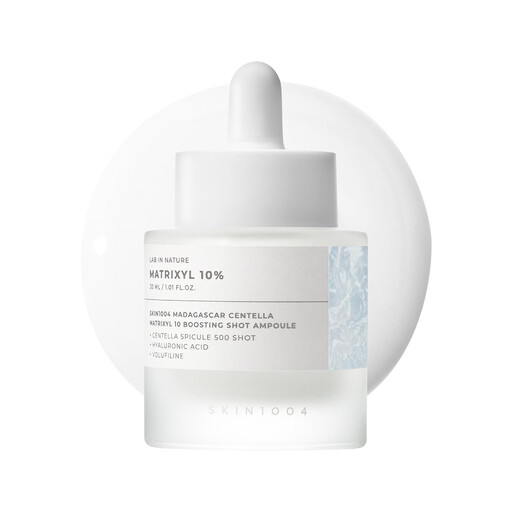
Why it suits this profile: Designed for anyone who wants to add a peptide serum and a distinctive ampoule texture to their routine, alongside hydration.
The brand description lists 10% Matrixyl, 5% Volufiline, centella asiatica and hyaluronic acid. As it’s a concentrated ampoule, the brand recommends patch testing and starting with 2–3 applications per week.
30 ml, a peptide formula and clear guidance on building up use, ideal for anyone new to concentrated Korean skincare.
We’ve put together a complete, up-to-date list of products that meet these strict selection criteria and the applicable European safety regulations.
Cleanse your face and apply the serum to slightly damp skin if the product instructions recommend it. Use a few drops, smooth the product over your face and, if you like, your neck, then finish with a moisturiser. Apply sunscreen afterwards during the day. Always follow the directions on the packaging.
Check the expiry date and any information on the packaging about how long the product can be used after opening. Keep the serum tightly closed, in a cool place and out of direct sunlight. If the smell, colour or texture changes noticeably, stop using it.
That depends on the full formula. A simple serum with few active ingredients may be more practical than a highly concentrated ampoule. Check for fragrance, alcohol and acids, do a patch test and build up use gradually. If irritation persists, stop using the product and, if needed, ask a doctor or dermatologist for advice.
