
Same-day & Next-day Delivery

Quality Guaranteed

Unlock Your Welcome Offers: FREE Delivery | Up to 80% OFF | Free 30-day JoyPlus trial
Download the APP
A hyaluronic acid serum may seem simple at first glance: apply a few drops and you’re done. However, serums can vary considerably in their ingredients, texture and application. A product that works well for normal skin may be less suitable for sensitive or dry skin.
So don’t focus only on phrases such as “intense hydration” or “glow”. The ingredients list, additional skin-conditioning ingredients and usage instructions give you a clearer idea of what you are buying.
Brands sometimes highlight a high percentage of a single ingredient. On its own, this says little about the overall formula. A serum for dry skin, for example, contains more than just humectants. It may also include ingredients that help to lock in moisture.
That is why you should look at the complete INCI ingredients list. Glycerine, panthenol, betaine, ceramides and different forms of hyaluronic acid can each play a different role in the formula. The order of the ingredients also gives an indication of their relative amounts, although it does not tell you the exact percentages.
Hyaluronic acid helps attract and retain moisture on the skin’s surface. How it performs and feels on the skin depends, among other things, on the form used, the concentration and the rest of the formula. Claims about absorption into deeper layers of the skin should therefore be viewed as the brand’s marketing information, rather than a guaranteed result.
According to some brands’ product descriptions, a combination of low, medium and high molecular weights may provide a multi-layer hydrating effect. This is the manufacturer’s description; individual results may vary.
A hydrating serum adds moisture-binding ingredients, while a cream or lotion can help keep the skin’s surface feeling comfortable. Especially if your skin is dehydrated, a thin serum on its own may not feel sufficient.
Ideally, apply a hyaluronic acid face serum to slightly damp skin and follow with a moisturiser. During the day, also use a sun protection product that suits your routine. This prevents you from expecting a serum to take the place of every step in your skincare routine.
A well-matched hydrating face serum does not have to be complicated. Pay particular attention to:
The phrase strengthen the skin barrier is a cosmetic claim. According to a brand’s own research, a formula may contain certain ingredients for this purpose, but this is not a guarantee for every skin type.
A light, gel-like formula often suits people who use several products or want to apply a serum under make-up. A richer texture may feel more comfortable on dry skin, especially in a cold or dry indoor environment.
Introduce a serum for sensitive skin gradually. First test a small amount on a limited area of skin, and stop using it if persistent redness, itching or irritation occurs. Always use a product only as directed on the packaging.
Compare the volume in millilitres with the price. A 20ml bottle may appear cheaper, but could offer less value than a 30, 40 or 50ml pack. Also check the shelf-life information and the period after opening, usually shown with an open-jar symbol.
Cosmetics sold in the European Union must, among other requirements, comply with Regulation (EC) No 1223/2009 on cosmetic products. Check that the packaging includes an ingredients list, directions for use, warnings and information about the responsible party. This information is more important than a prominent claim on the front.
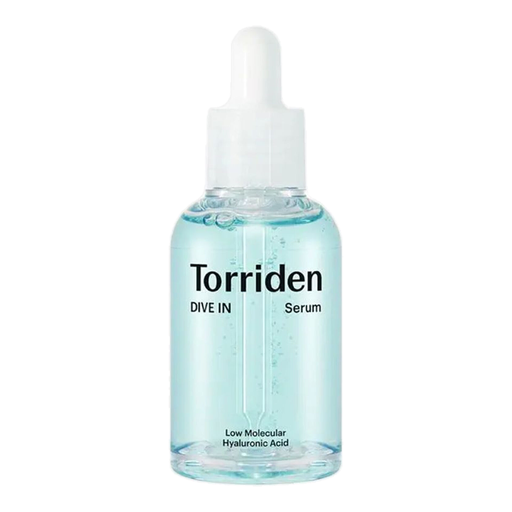
Why it suits this profile: A convenient option if you want a larger size and a fragrance-free formula as part of a Korean skincare routine.
The product information lists five types of hyaluronic acid and mentions panthenol, ceramide NP and beta-glucan. The formula is also described as fragrance-free.
50ml volume; five listed forms of hyaluronic acid; fragrance-free according to the product description; intended for morning and evening use.
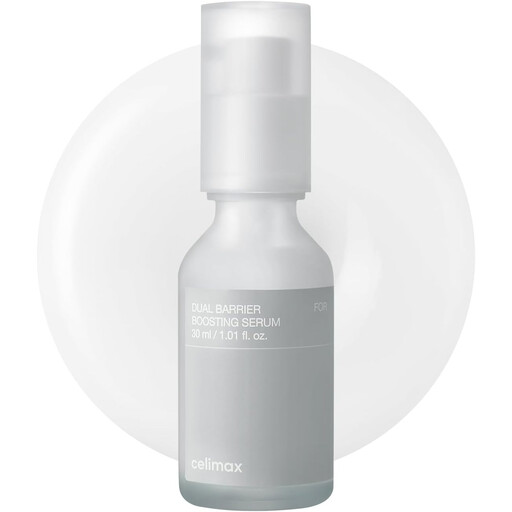
Why it suits this profile: A logical choice if your main priorities are dry, sensitive skin and support for the skin barrier, alongside moisture retention.
The product description mentions five ceramides and is aimed at dry and sensitive skin. If you have an allergy or sensitivity, always check the current INCI list.
30ml volume; five listed ceramides; formula positioned for dry and sensitive skin; dermatologically tested according to the product information.
We have put together a complete, up-to-date list of products that fully meet these strict selection criteria and the applicable European safety regulations.
A serum for dehydrated skin can be used both in the morning and evening, but follow the instructions on the label. If you have sensitive skin, building up gradually is wiser than applying several layers straight away.
It can be, because hyaluronic acid helps bind moisture. If you have dry skin, it is a good idea to follow with a cream that helps support comfort. Also check whether perfume or other ingredients may not suit your personal sensitivities.
The serum usually comes before the cream: cleanse first, then apply serum, followed by moisturiser. A product such as Embryolisse Hydra Serum can also be combined with a day or night cream, according to the product description. Follow the instructions for your chosen product.
This varies depending on the formula and packaging. Look for the open-jar symbol, such as 12M, and the expiry date on the packaging. Store the serum in a cool, dry place away from direct sunlight, and close the bottle securely after use.
