
当日/次日达

品质保障

开启新人专享福利: 全场免邮 | 低至 2 折 | 免费试用 30 天 JoyPlus 会员
下载 Joybuy
A hyaluronic acid serum can be a simple addition to your skincare routine if your skin feels dry, tight or dull. However, not every hydrating face serum is created equal. The concentration of a single ingredient does not tell you everything about the formula, texture or suitability for your skin.
Korean skincare serums in particular often use terms such as “glass skin”, “deep hydration”, “firming” and “anti-ageing”. These descriptions typically come from the brand’s marketing materials. According to the manufacturer’s information, a serum may make the skin appear smoother, plumper or more radiant, but this is not a guarantee for every skin type or user.
As a Joybuy Product Recommendation Officer, I filter the most important product information so you can compare marketing claims with verifiable specifications.
A high percentage of hyaluronic acid is not automatically necessary. How a formula performs also depends on the form of hyaluronic acid, the other humectants and how you use the serum. Ingredients such as glycerin, panthenol, beta-glucan and ceramides may be relevant in a hydrating serum.
Also review the complete ingredient list. “Triple hyaluronic acid” or “five molecular weights” sounds specific, but it does not tell you exactly how much of each form has been added.
Hyaluronic acid helps attract and retain moisture at the skin’s surface. A serum for dry skin therefore does not always replace a cream. Especially during the Dutch winter, in dry heated air or when your skin feels compromised, a sealing moisturiser can be beneficial.
Ideally, apply a hyaluronic acid serum to slightly damp skin and follow with a cream. This prevents your routine from consisting solely of a thin, watery product.
A product described by the brand as suitable for sensitive skin may still cause stinging or redness for someone else. Fragrance, acids, niacinamide, botanical extracts or intensive technologies may all play a role.
Always check the current packaging. Ingredients can change. Test a new serum on a small area of skin first and discontinue use if irritation persists. For severe or recurring skin concerns, consult a doctor or dermatologist.
Products may contain sodium hyaluronate, hydrolyzed hyaluronic acid or several variants. Low, medium and high molecular weights are often associated in product descriptions with hydration at different levels. In practice, this does not automatically mean that the ingredients penetrate into the deeper layers of the skin.
Use “multi-layered hydration” as a description of the formula, not as a medical claim or guaranteed effect.
For dry or dehydrated skin, the following ingredients may be worth considering:
A gel serum can sit comfortably beneath sunscreen or makeup, while a richer ampoule may be better suited to an evening routine. Check the volume as well: 30 ml is common, but some products contain 50, 55, 100 or even 300 ml.
Read the directions for use. Many products recommend two to three drops after cleansing and toner, followed by a moisturiser. A concentrated ampoule may be best introduced gradually. This applies, for example, to products containing spicules or multiple active ingredients.
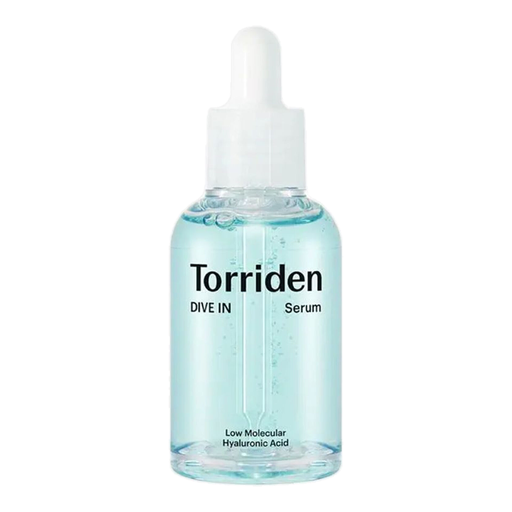
Why This Fits Their Persona: Ideal for anyone looking for a lightweight Korean formula that can be used beneath a moisturiser in both the morning and evening.
The ingredient list includes five forms of hyaluronic acid, panthenol, ceramide NP and beta-glucan. Still, check the packaging for the current formulation.
50 ml; according to the product information, fragrance-free, vegan and suitable for multiple skin types.
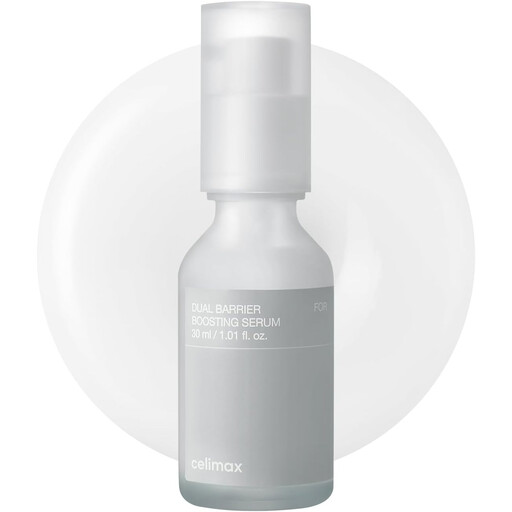
Why This Fits Their Persona: Designed for users who want to support a dry or vulnerable-feeling skin barrier alongside hydration.
The brand description mentions a complex containing five ceramides and positions the product for dry, sensitive skin. This remains a product claim, not a medical assessment.
30 ml; ceramide-based formula according to the stated product information; patch testing is still advisable.
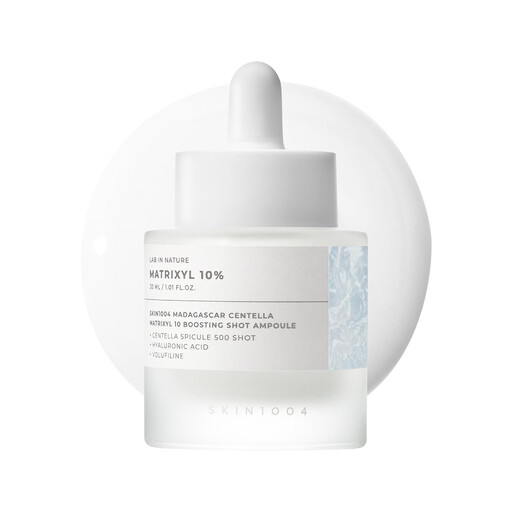
Why This Fits Their Persona: An interesting option for anyone who wants to combine hydration with a peptide-focused routine for a smoother-looking complexion.
The description lists 10% Matrixyl, hyaluronic acid and micro-spicule technology. Because of its concentrated nature, the brand recommends patch testing and introducing it gradually.
30 ml; contains Matrixyl and hyaluronic acid according to the product details; do not apply around the eyes.
Browse a current selection of serums for dry skin and compare ingredients, volume, texture and usage instructions before placing your order.
Do not combine several active serums straight away. Introduce one new product at a time so you can better assess how your skin responds. A serum for radiant skin or an anti-ageing serum may also contain additional ingredients that are unnecessary if hydration is your only priority.
That depends on the complete formula. Ideally, choose a product without ingredients you know your skin reacts to and check whether it contains fragrance. A serum for sensitive skin may be described by the brand as gentle, but always test it on a small area first.
In most cases, it is practical, especially if your skin is dry or dehydrated. A serum provides a lightweight, concentrated treatment step; a cream can then help keep your skin feeling comfortable. Always follow the specific instructions on the packaging.
This depends on the volume and the amount used each time. With daily use of two to three drops, 30 ml may last anywhere from several weeks to several months. Keep the bottle tightly closed, away from direct sunlight and in accordance with the instructions on the packaging. Also check the expiry date and the period after opening.
