
Vandaag of morgen in huis

Kwaliteit gegarandeerd

Welkomstaanbiedingen ontgrendelen: GRATIS bezorging | Tot 80% korting | Gratis 30 dagen JoyPlus-proefperiode
Download de app
A quality hydrating serum is the cornerstone of many skincare routines. Hyaluronic acid is a star ingredient in this space, renowned for its ability to attract moisture. But with an overwhelming number of choices, it can be challenging to find a product that truly delivers for your skin. Many marketing promises don't always translate to real results.
As a Product Recommendation Officer at Joybuy, I see a lot of products. My job is to help you separate fact from marketing fiction. Let's look at the common pitfalls and what you should focus on when choosing a hyaluronic acid serum.
Before you make a purchase, it's helpful to know which marketing claims can be misleading.
To avoid a disappointing purchase, you can focus on a few key product attributes. This will help you choose a serum that suits your skin type and goals, whether you're looking for a serum for dry skin or an anti-ageing serum.
Look beyond the star ingredient. An effective hydrating serum often contains a combination of:
A good serum should feel pleasant and absorb quickly without leaving a tacky or tight feeling. A lightweight, watery, or gel-like texture is often preferred. It shouldn't 'pill' or ball up when you apply a day or night cream over it. This is a practical aspect that greatly impacts the user experience.
Hyaluronic acid is relatively stable, but many supporting ingredients (like antioxidants) are not. Opt for an opaque bottle with a pump or dropper. This minimises exposure to light and air, keeping the active ingredients stable and effective for longer.
Not every serum is right for everyone. Below are a few highlighted options, tailored to specific user profiles.
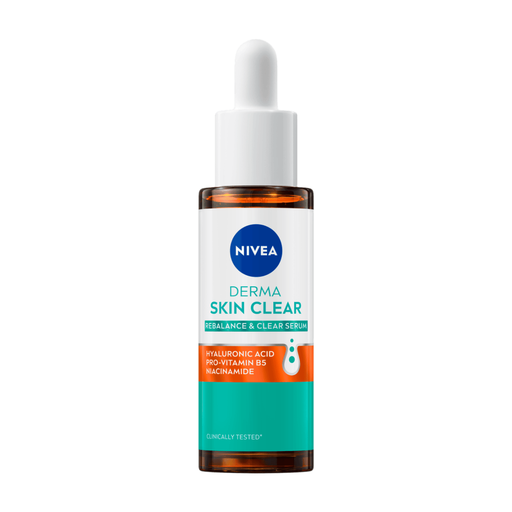
Why it's a match: Ideal for those starting out with serums and looking for a reliable, affordable product. The formula is straightforward, focusing on hydration and calming blemish-prone skin without requiring a significant investment.
This serum doesn't just focus on hyaluronic acid but combines it with niacinamide and provitamin B5. This demonstrates the importance of a supportive formula rather than focusing on a single ingredient.
Combines hydration with calming properties, suitable for skin prone to blemishes. Accessible and widely available.
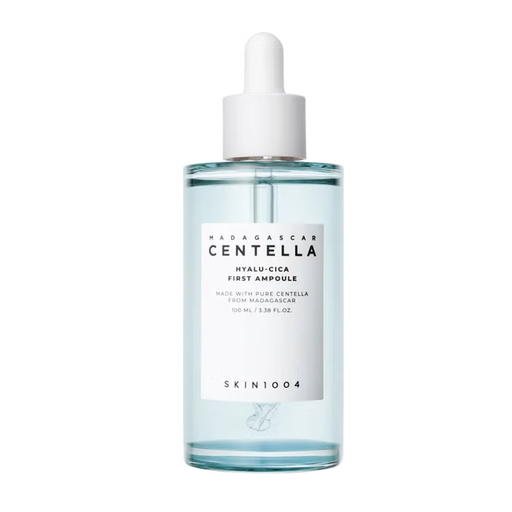
Why it's a match: Perfect for those seeking a calming and deeply hydrating effect. The combination of Centella Asiatica (Cica) and hyaluronic acid is a classic in Korean skincare for soothing sensitive or dry skin.
While it contains 5 types of hyaluronic acid, the emphasis is on the synergy with 92% Centella Asiatica extract. This shows that the balance between hydrating and soothing ingredients is key.
Intense hydration combined with a powerful soothing effect. The lightweight texture is ideal for layering in a K-beauty routine.
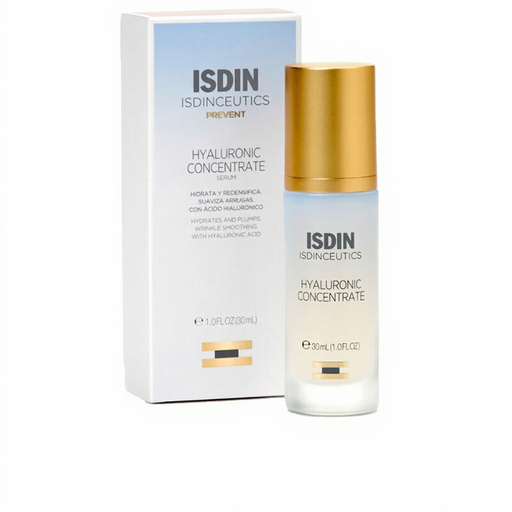
Why it's a match: For those looking for a potent anti-wrinkle serum with a more advanced, science-backed formula. This product focuses on plumping the skin and reducing fine lines.
The formula combines hyaluronic acid with peptides (Palmitoyl Tripeptide-1, Palmitoyl Tetrapeptide-7) and lentil extract. This is a prime example of a formula that pairs hydration with active anti-ageing ingredients.
An advanced anti-ageing serum that focuses on both hydration and improving skin texture and minimising pores.
We've curated a complete, up-to-date list of products that meet these selection criteria and current regulations.
Yes, a hyaluronic acid serum is generally gentle enough for daily use, both morning and night. Apply it after cleansing and before your day or night cream to maximise hydration.
For optimal effect, it's best to apply the serum to slightly damp skin. Hyaluronic acid attracts moisture, so by applying it to a damp surface, you give it immediate moisture to bind to. This helps to hydrate the skin even more effectively.
The terms are often used interchangeably, especially with Korean brands. Traditionally, an ampoule is a more concentrated version of a serum, intended as a temporary treatment course. A serum is typically meant for daily, long-term use. In practice, however, the concentration and usage depend entirely on the specific product and brand. Always check the instructions on the packaging.
