
Same-day & Next-day Delivery

Quality Guaranteed

Unlock Your Welcome Offers: FREE Delivery | Up to 80% OFF | Free 30-day JoyPlus trial
Download the APP
Dealing with tight, dull skin that's craving moisture? A hyaluronic acid face mask seems like the logical choice. Shelves, both online and in-store, are overflowing with products promising a radiant, hydrated complexion. Yet, a purchase often leads to disappointment. Many masks fail to deliver on their promises, leaving you with an unused product and less money in your wallet.
Before you make a choice, it's wise to recognise the most common pitfalls. This will help you avoid wasting money on marketing hype.
To find a mask that truly works for your skin, it's smart to look beyond the front of the packaging. Pay attention to the following specifications to make an informed choice.
Hyaluronic acid is not a single, standard ingredient. The difference lies in its molecular weight, which determines how deeply it can penetrate the skin.
Products that combine different types of hyaluronic acid often provide multi-level hydration.
A good hydrating face mask does more than just add moisture. The combination with other active ingredients determines whether the mask also addresses other skin concerns.
The type of mask determines its ease of use and the overall experience. The rise of K-beauty has introduced us to various formats.
Based on objective product specifications, we have selected several popular choices that cater to different needs and lifestyles.
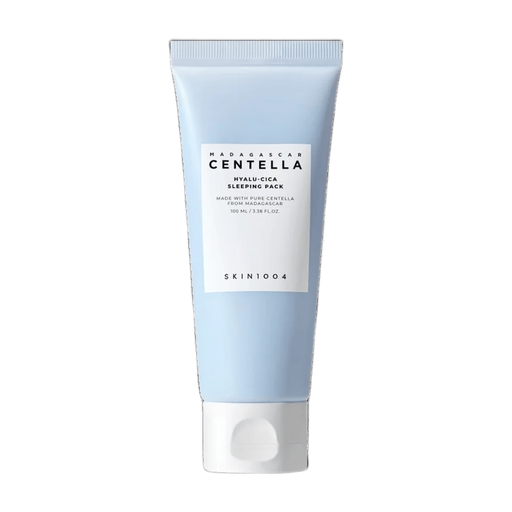
Why This Fits Their Persona: For those who don't have time for an elaborate ritual. You apply this sleeping mask like a night cream, and it works while you sleep. You'll wake up to hydrated, visibly calmer skin without any extra steps in your routine.
This is more than just a simple hydrating mask. The Hyalu-Cica formula, developed by SKIN1004, combines hyaluronic acid with soothing Centella Asiatica, allowing it to tackle redness and irritation while it hydrates.
Practical leave-on formula for overnight use; lightweight gel texture that absorbs quickly; combines hydration with soothing benefits.
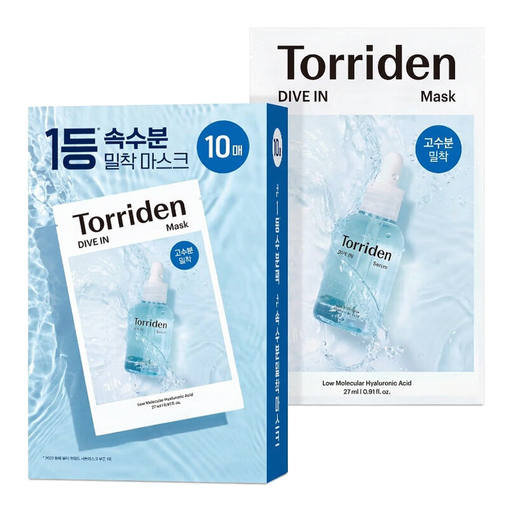
Why This Fits Their Persona: For the enthusiast of authentic Korean face masks seeking deep, 'plumping' hydration. This sheet mask is perfect for a weekly self-care moment to give the skin an intensive moisture boost.
This mask tackles the pitfall of superficial hydration. According to Torriden, its formula contains low-molecular-weight hyaluronic acid, which is designed to penetrate deeper into the skin for a long-lasting effect.
Focused on deep hydration with low-molecular-weight hyaluronic acid; soft, comfortable sheet mask material; contains panthenol and allantoin for extra soothing.
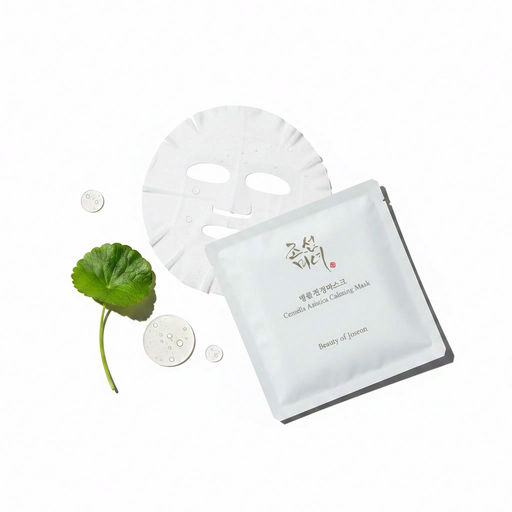
Why This Fits Their Persona: Specifically for skin types that react quickly, turn red, or feel tight. This mask provides gentle, soothing care that supports the skin barrier without overwhelming the skin.
This mask doesn't just focus on a single ingredient. It combines three types of hyaluronic acid for multi-level hydration with a high concentration (15%) of Centella Asiatica, a well-known soothing ingredient.
High concentration of Centella Asiatica for active soothing; contains three types of hyaluronic acid; thin, breathable Tencel sheet mask.
We have compiled a complete, up-to-date list of products that meet these strict selection criteria and European regulations.
This depends on the type of mask and your skin's condition. You can use a hydrating sheet mask 1 to 3 times a week for an extra boost. A sleeping mask, depending on the formula, can replace your night cream a few times a week or even daily, especially for very dry skin.
Absolutely. In that case, opt for a lightweight gel texture instead of a rich cream. Many Korean sleeping masks, like the SKIN1004 Hyalu-Cica, have a watery gel formula that hydrates without clogging pores or leaving a heavy feeling.
A sheet mask is a cloth soaked in a light, watery essence for a quick, intense hydration boost. The occlusion from the sheet helps to effectively deliver the essence into the skin. A cream or gel mask (like a sleeping mask) often has a richer texture and is designed to stay on the skin longer. This helps to better retain moisture and nourish the skin barrier over the long term.
