
Same-day & Next-day Delivery

Quality Guaranteed

Unlock Your Welcome Offers: FREE Delivery | Up to 80% OFF | Free 30-day JoyPlus trial
Download the APP
A hyaluronic acid cream can be a practical addition to your daily skincare routine. Hyaluronic acid, often listed as hyaluronic acid or sodium hyaluronate, is used in creams, serums and gel creams to help bind moisture to the skin. However, not every formula suits every skin type.
A high concentration or prominent claim on the packaging does not tell you everything. The texture, complete ingredients list and when you use it can be just as important in determining whether a product works comfortably for your routine. Below, we explain the key points to consider when choosing a moisturising face cream, hyaluronic acid cream or lightweight day cream.
Hyaluronic acid is a moisture-binding ingredient, but a formula contains more than one component. Glycerine, panthenol, betaine and various oils can also contribute to a comfortable skin feel. Ingredients such as ceramides, cholesterol and squalane are often added to products designed to support the skin barrier.
That is why you should check the complete INCI list, rather than just the front of the packaging. The order indicates which ingredients are present in relatively prominent amounts, but it does not necessarily tell you how your skin will react to the product.
A moisturising gel cream generally feels lightweight and absorbs quickly. This makes it useful for combination or oilier skin, as well as for use underneath make-up. However, a lightweight texture may feel less comfortable on dry skin, particularly in winter or when the indoor air is dry.
A richer face cream for dry skin may contain oils, butters or silicones that help the skin retain moisture for longer. The right choice therefore depends on both your skin type and when you plan to use the cream.
A cream for sensitive skin is not automatically free from fragrance, alcohol or plant extracts. Always check the packaging. For example, Garnier SkinActive Hyaluron Fresh & Plump Sorbet Crème lists alcohol denat. and fragrance. The product also contains salicylic acid and carries warnings about eye irritation and potentially increased sensitivity to sunlight; follow the directions for use and apply sun protection during the day.
If you have sensitive skin, a patch test is advisable. First apply a small amount to a limited area of skin and stop using it if irritation, redness, itching or a burning sensation occurs. Product information and ingredients may change; always follow the instructions on the packaging of the product you receive.
Some products contain one form, such as sodium hyaluronate. Other formulas combine several forms with different molecular sizes. Isntree lists five types of hyaluronic acid, while Hydrium Triple Hyaluronic Moisture Ampoule describes three variants: sodium hyaluronate, hyaluronic acid and hydrolysed hyaluronic acid.
More variants do not automatically mean better results. Consider this primarily an objective difference in formulation. If you use a serum, you can follow it with a moisturising cream to complete your routine.
Choose a moisturising gel cream if you prefer a fresh, lightweight feel. Ingredients such as glycerine, betaine and panthenol are humectants. Squalane, dimethicone, shea butter and plant oils have a more emollient or occlusive function.
For dry or dehydrated skin, a combination of both types of ingredients can feel comfortable. With combination skin, a gel cream during the day and a richer cream in the evening may be more practical.
Do not compare the price alone; also consider the size. The range includes packaging in 40, 50, 75, 85 and 100 ml sizes. Also check the expiry date and the period after opening. Some products state that they should be used within six months of opening.
Apply the cream to a cleansed face, usually after a serum. A small amount is often sufficient. Avoid contact with the eyes and store the product according to the label, usually in a cool, dry place away from direct sunlight.
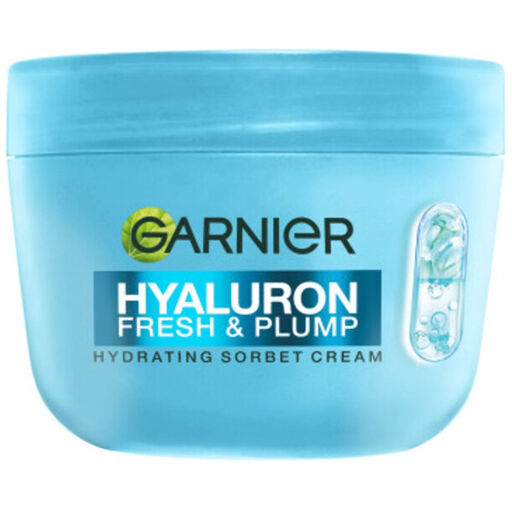
Why it suits this profile: The 85 ml size and sorbet texture make this an accessible choice for anyone looking for a lightweight day cream with hyaluronic acid.
The ingredients list is available, allowing you to check for alcohol denat., fragrance and salicylic acid in advance.
85 ml size; glycerine, niacinamide, aloe and sodium hyaluronate are listed in the product information.

Why it suits this profile: This Korean skincare option combines five forms of hyaluronic acid with argan and apricot kernel oils for users seeking a more comprehensive formula.
The product description states that the formula is ethanol-free; if you have sensitive skin, check the current ingredients list as well.
100 ml size; contains, among other ingredients, sodium hyaluronate, hydrolyzed hyaluronic acid, panthenol, beta-glucan and ceramide NP.
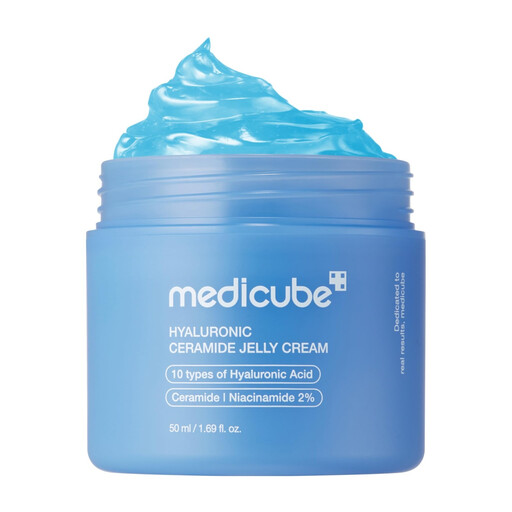
Why it suits this profile: The transparent jelly texture is designed for anyone who wants to combine a moisturising gel cream with ingredients that support the skin barrier.
Alongside sodium hyaluronate, the formula lists ceramide NP, squalane, panthenol and niacinamide, so you are looking beyond the hyaluronic acid claim alone.
50 ml size; gel texture; suitable for use as the cream step in the morning and evening, according to the product information.
We have put together a complete, up-to-date list of products that fully meet these strict selection criteria and the applicable European safety regulations.
A simple routine usually looks like this:
A cream mainly helps your skin feel comfortable and limits moisture loss. Claims about fuller-looking skin, anti-ageing effects or “repairing” the skin barrier should be understood as product claims made by the brand. A brand’s own research may report certain results, but these will not necessarily be the same for every user.
It can be, but also consider the rest of the formula. A face cream for dry skin containing glycerine, panthenol, ceramides, oils or shea butter may feel more comfortable than a very lightweight gel. With combination skin, a gel cream may feel more pleasant on oilier areas.
Many products are intended for daily use in the morning and evening. Always follow the label. If you use a formula containing fragrance, alcohol, salicylic acid or multiple active ingredients, pay extra attention to irritation and avoid the eye area where indicated.
No, a serum is not essential. A cream can form part of a simple routine on its own. However, a serum can be useful if you want to apply a lighter hyaluronic acid layer before a richer moisturising cream. Above all, choose a combination that feels comfortable and suits your skin type.
