
Vandaag of morgen in huis

Kwaliteit gegarandeerd

Welkomstaanbiedingen ontgrendelen: GRATIS bezorging | Tot 80% korting | Gratis 30 dagen JoyPlus-proefperiode
Download de app
Searching for a great hyaluronic acid cream? You've likely found yourself lost in a sea of jars, all promising smoother, plumper, and more hydrated skin. The popularity of hyaluronic acid is immense, but so are the marketing claims. Many consumers buy products that don't deliver, simply because they fall into a few common traps.
As a Joybuy Product Recommendation Officer, I'm here to help you cut through the hype. We won't focus on empty promises, but on what's actually inside a product. Let's take a closer look at the most common purchasing mistakes and the specifications you should be paying attention to.
Before you pull out your wallet, it's important to know what often goes wrong. These are the two most common pitfalls when choosing a hydrating cream with hyaluronic acid.
You don't need to be a chemist to make a smart choice. Focus on these two key points, and you'll filter out 90% of the subpar options.
An effective hyaluronic acid cream should ideally contain a mix of different types of hyaluronic acid. Look for terms like these on the ingredient list:
A product that combines several of these variants offers multi-level hydration.
Hyaluronic acid works best as part of a great team. The combination with other ingredients determines whether a cream is more than just a moisturiser. Look for these beneficial additions:
Based on these criteria, we've selected a few products that cater to different needs and preferences.
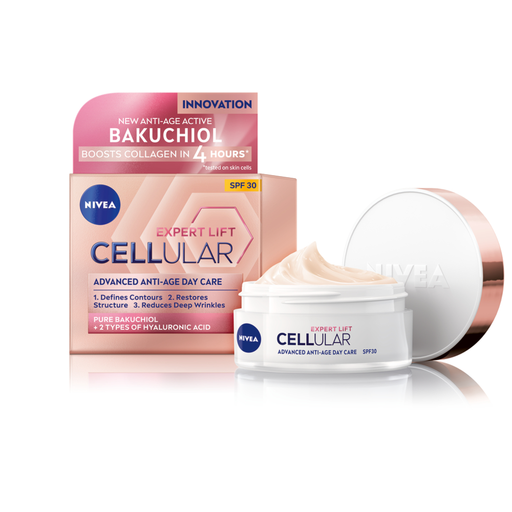
Why This Fits Their Persona: Ideal for those seeking a reliable, affordable, and multifunctional day cream. You get hydration, firming, and sun protection in one jar, without a complicated routine. A no-nonsense start to your anti-ageing care.
This product isn't a vague cocktail. It combines hyaluronic acid with two other workhorses: Bakuchiol for firming and SPF 30 for protection. A functional formula instead of marketing filler.
The combination of anti-ageing ingredients with solid UVA/UVB protection (SPF 30) makes it a highly practical choice for daily use.
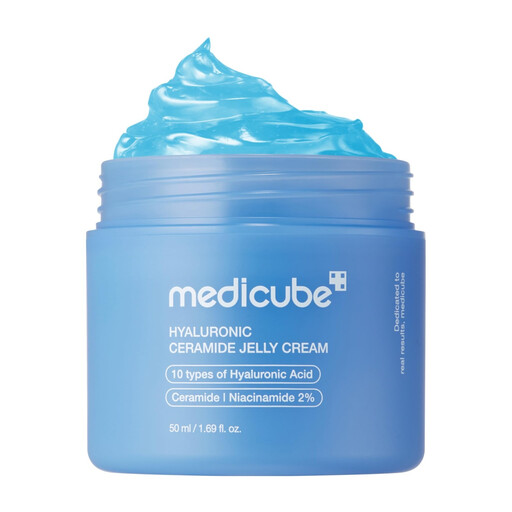
Why This Fits Their Persona: Perfect for those who dislike heavy, sticky creams but still need serious hydration. The unique, light jelly texture is characteristic of Korean skincare and is ideal for dehydrated or combination skin.
This cream focuses on a powerful and targeted combination: hyaluronic acid for moisture and ceramides for barrier repair. No unnecessary extras, just a formula that does what it promises: hydrate and strengthen.
The clear, bouncy gel texture absorbs quickly without leaving a heavy feeling, while supporting the skin barrier with ceramides, squalane, and niacinamide.
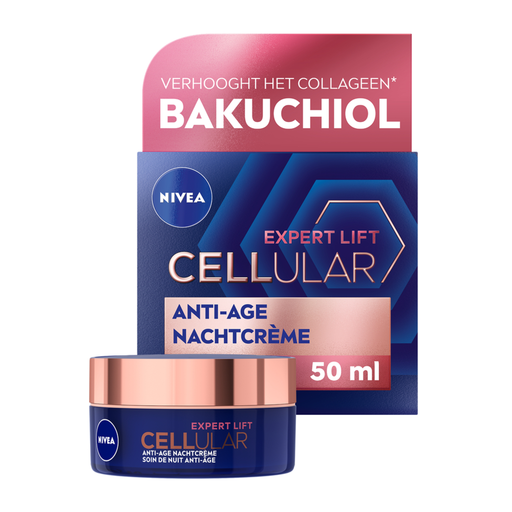
Why This Fits Their Persona: For those who want their skincare to do the heavy lifting overnight. This rich night cream with hyaluronic acid is designed to support the skin during its natural recovery process, with a focus on reducing deep wrinkles and improving firmness.
This is not a 'one-size-fits-all' cream. It's a specifically formulated night cream. The formula targets overnight repair and combines two types of hyaluronic acid with Bakuchiol, which the manufacturer claims supports the cells' collagen production.
A rich, nourishing texture that works throughout the night. The combination of ingredients is aimed at firming the skin and visibly reducing deeper wrinkles.
We have compiled a complete, up-to-date list of products that meet these selection criteria and current regulations.
1. How quickly will I see results from a hyaluronic acid cream? You'll often feel the hydrating effect immediately: the skin feels more supple and comfortable. For a visible reduction in fine lines, consistent use is necessary, typically for several weeks to months. It's a marathon, not a sprint.
2. Can I use a hyaluronic acid cream if I have sensitive skin? Yes, hyaluronic acid itself is generally well-tolerated. It's a substance that occurs naturally in the skin. However, pay attention to other ingredients in the formula, such as fragrance or certain types of alcohol, which can cause irritation in sensitive skin. When in doubt, choose a product explicitly labelled as "suitable for sensitive skin" and fragrance-free.
3. Is a day cream with SPF enough sun protection? A day cream with SPF 15 or 30 is a good baseline for normal, daily use, like an office day with a walk during lunch. However, if you're going to be in the sun for an extended period, such as at the beach or on a patio, it's recommended to use a separate sunscreen with a high factor (SPF 30 or 50) and to reapply it every two hours.
