
Same-day & Next-day Delivery

Quality Guaranteed

Unlock Your Welcome Offers: FREE Delivery | Up to 80% OFF | Free 30-day JoyPlus trial
Download the APP
A hyaluronic acid face cream might seem like a simple choice at first. However, texture, ingredients, fragrance and how comfortable it feels can vary considerably from one formula to another. A lightweight hydrating gel cream may feel pleasant on combination or oily skin, while a richer moisturising face cream may be a better fit for dry skin.
Be wary of marketing claims that promise more than the ingredients list can support. Below, you’ll find the main pitfalls to avoid, what to check and some popular options for different skin types and routines.
Brands sometimes mention different molecular weights or a hyaluronic acid “complex”. That may be interesting, but the number of forms doesn’t automatically tell you how comfortable or hydrating a cream will feel on your skin. Check the rest of the formula too, including ingredients such as glycerine, betaine, panthenol, oils or ceramides.
In cosmetics, hyaluronic acid mainly works as a moisture-binding ingredient. The results also depend on how it’s combined with other ingredients, how much cream you use and your skin’s own condition.
A product description may say a product is suitable for all skin types, but a rich cream can feel heavy on oily skin. Conversely, a lightweight gel cream may not feel nourishing enough for dry skin, particularly in cold or windy weather.
So don’t just look at the target audience on the packaging. Consider the texture too:
A brand may say that a cream makes fine lines less visible, gives skin a plumper appearance or supports the skin barrier. Treat these as claims made by the manufacturer, not guaranteed results. For example, according to the NIVEA MEN product description, the gel is designed to hydrate and leave skin looking visibly smoother. Your experience may vary.
Also check whether the ingredients list includes fragrance, retinoids or certain plant extracts. Even a product described as gentle may not be suitable for sensitive skin.
A good hydrating face cream doesn’t need to contain as many active ingredients as possible. Look for a well-balanced combination:
Always check the ingredients on the packaging. Formulas can change.
Don’t choose a face cream for sensitive skin based on its name alone. Check whether it contains fragrance, alcohol or lots of plant extracts. For example, according to the product information, Medicube Salmon DNA PDRN Pink Hyaluronic Moisturizing Cream contains fragrance. If you have sensitive skin, it’s a good idea to do a patch test: apply a small amount to a small area of skin and wait to see if irritation develops.
Stop using the product if you experience redness, itching, swelling or a burning sensation. If symptoms persist, consult a doctor.
A 50 ml jar and a 40 ml tube may seem similar, but how long they last depends on the texture. You’ll often use a smaller amount of a richer cream. You can apply a gel more generously, but it may run out sooner as a result.
Apply the cream to clean skin, optionally after a serum. During the day, apply sunscreen as the final step. If you’re using a product containing retinol, follow the directions on the packaging and take extra care with sun protection.
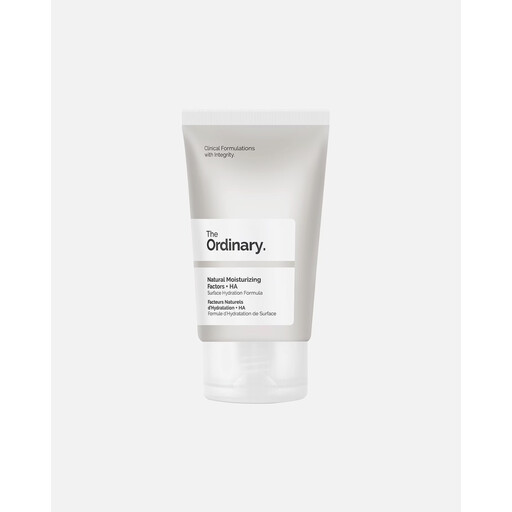
Why it suits this profile: This compact cream is designed to provide surface hydration and contains hyaluronic acid, amino acids and skin-identical lipids. According to the product information, the formula is fragrance-free.
The ingredients list is easy to follow, so you don’t have to rely solely on a bold claim about containing several types of hyaluronic acid.
Fragrance-free formula according to the product information; suitable for use after serums; contains glycerine and sodium hyaluronate.
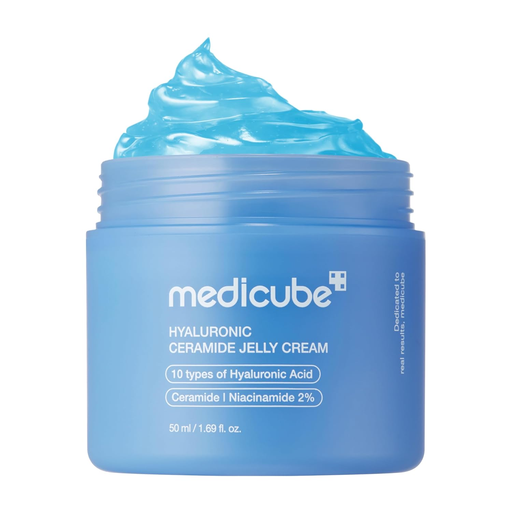
Why it suits this profile: According to the product information, this Korean face cream combines ten types of hyaluronic acid with five ceramides, cholesterol, squalane and peptides.
The formula doesn’t rely on hyaluronic acid alone. It also contains ceramides and lipid-like ingredients for more complete moisturising care.
Jelly texture; contains niacinamide, panthenol, ceramide NP and several other ceramides; suitable for morning and evening use according to the product description.
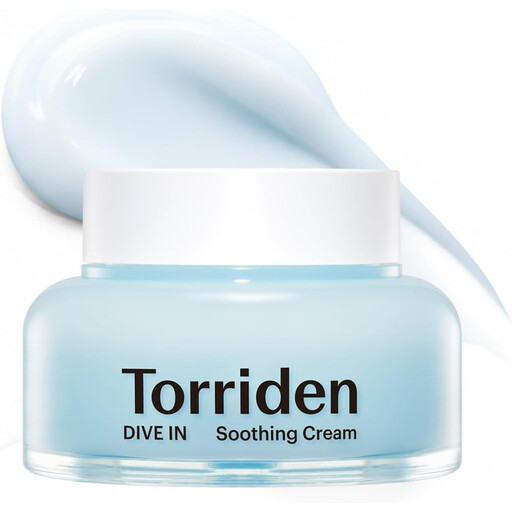
Why it suits this profile: According to the product information, this gel-like cream is designed to feel lightweight and absorb quickly, and contains a 5D hyaluronic acid complex.
The focus is on texture and everyday comfort, not just anti-ageing claims or claims about a high concentration.
100 ml; gel texture; according to the product description, free from parabens, formaldehyde, phthalates, SLS and SLES.
We’ve put together a complete, up-to-date list of products that meet these strict selection criteria and the applicable European safety requirements.
Yes, a hyaluronic acid face cream can work for dry skin, but it’s best to choose a formula with additional soothing or barrier-supporting ingredients. These might include ceramides, glycerine, panthenol, squalane or shea butter. A very lightweight gel cream may sometimes feel less comfortable on dry skin than a richer cream.
According to their product descriptions, most of the products in this selection are intended for daily use, morning and evening. Apply an appropriate amount to clean skin. If you’re unsure, check the packaging, and do a patch test first if you have sensitive skin.
Check the expiry date and the period after opening shown on the packaging. Keep the cream closed, in a cool place and out of direct sunlight. Stop using it if its smell, colour or texture changes noticeably. The current ingredients list and safety information on the packaging take precedence over older product information online.
