
Same-day & Next-day Delivery

Quality Guaranteed

Unlock Your Welcome Offers: FREE Delivery | Up to 80% OFF | Free 30-day JoyPlus trial
Download the APP
A hyaluronic acid cream can help retain moisture on the surface of the skin, but not every formula suits every skin type. A lightweight gel cream can feel comfortable on oily or combination skin, while dry skin often benefits more from a cream containing glycerine, ceramides, panthenol or nourishing oils.
The product name does not tell you everything either. Pay particular attention to the ingredients list, texture, directions for use and any fragrances. This helps you avoid paying for a striking marketing claim only to end up with a cream that feels tight or causes irritation.
Brands use terms such as “multi-molecular”, “low molecular” or “intensive hydration”. These are not automatically comparable measurements. Instead, look at the complete INCI ingredients list. Hyaluronic acid may appear under names including Sodium Hyaluronate, Hydrolyzed Hyaluronic Acid or Sodium Hyaluronate Crosspolymer.
Other humectants are important too. Glycerine, butylene glycol, betaine and panthenol support a formula’s moisturising effect. A hyaluronic acid moisturiser containing just one prominent ingredient is not necessarily the better choice.
A gel cream for the face often feels fresh and absorbs quickly. This is practical during the day or under make-up, but a richer texture may feel more comfortable on dry skin. Ingredients such as squalane, shea butter, fatty alcohols, cholesterol and ceramide NP can make skincare more nourishing.
On oily skin, an oil-free formula may feel more comfortable instead. Also check whether the product contains perfume or denatured alcohol if your skin is sensitive to these ingredients.
An anti-ageing face cream may contain ingredients such as hyaluronic acid, niacinamide, adenosine, bakuchiol or peptides. According to brands’ own information, these ingredients may contribute to a smoother- or firmer-looking skin surface. This does not guarantee a particular result and is not a substitute for medical advice.
When choosing a day cream, also check the sun protection factor. SPF 15 or SPF 30 in a face cream may be part of the formula, but always follow the directions for use and apply enough product. For prolonged sun exposure, a separate sun protection product is often more practical.
Use this simple guide:
If you want to restore the skin barrier or mainly experience a dry feeling, look for ceramides, cholesterol, fatty acids, panthenol and niacinamide. These ingredients do not automatically make a product suitable for every sensitive skin type, but they are useful points to check when comparing formulas.
A patch test on a small area of skin is advisable when trying a new product. Stop using it if you experience redness, itching, swelling or a burning sensation, and follow the safety information on the packaging.
Do not compare the price alone; consider the size too. Examples in this range vary from 30 ml to 100 ml. A 50 ml jar and a 100 ml tube are therefore not directly comparable.
Also check:
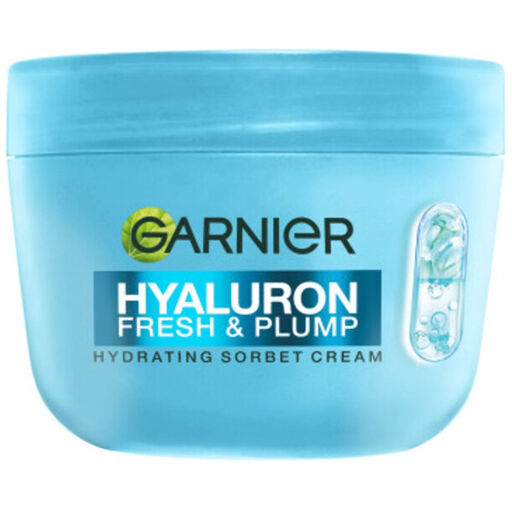
Why it suits this profile: The sorbet texture and 85 ml size are practical for everyday use when you are looking for a lightweight hydrating face cream. The ingredients list includes glycerine, niacinamide, aloe vera and sodium hyaluronate.
The full product information also lists alcohol denat., perfume and salicylic acid. This means you can check in advance whether the formula suits your skin, rather than choosing it based solely on “hyaluron”.
85 ml; lightweight sorbet cream; glycerine, niacinamide and sodium hyaluronate in the ingredients list.
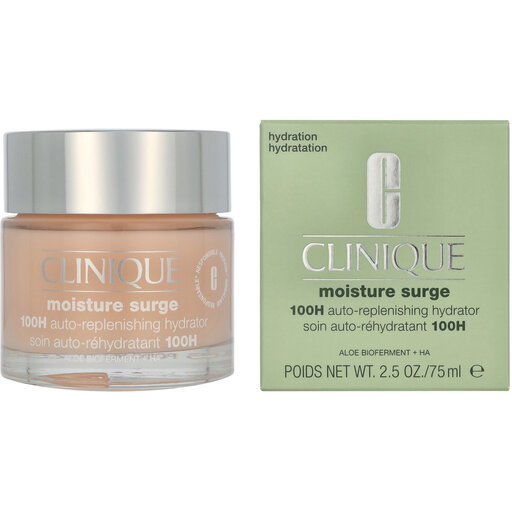
Why it suits this profile: This oil-free gel cream contains glycerine, hydroxyethyl urea, aloe extracts and sodium hyaluronate, among other ingredients. The product description states that it can be used as a day cream, make-up primer or mask.
The formula is described as fragrance-free, alcohol-free and non-comedogenic. However, always check the current packaging and ingredients list when purchasing.
75 ml; oil-free gel cream; fragrance-free according to the product information; suitable for multiple uses.
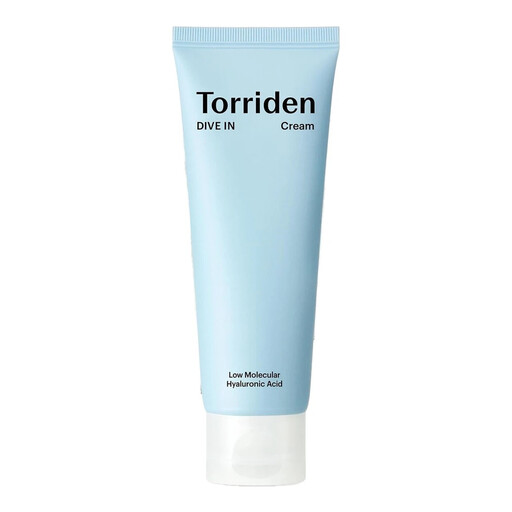
Why it suits this profile: The ingredients list includes several forms of hyaluronic acid, including sodium hyaluronate, hydrolyzed hyaluronic acid and sodium hyaluronate crosspolymer. The cream is intended as the final step in your routine.
Rather than judging it solely by the term “low molecular”, you can also take ceramide NP, betaine, allantoin and nourishing oils in the formula into account.
80 ml; several forms of hyaluronic acid; ceramide NP and beta-glucan listed; designed for everyday use.
We have put together a complete, up-to-date list of products that fully meet these strict selection criteria and the applicable European safety regulations.
That depends on the complete formula. If you have sensitive skin, choose a cream without perfume where possible, and check for alcohol, colourants and ingredients you have reacted to in the past. A patch test is still advisable. If irritation persists, stop using the product and seek medical advice.
A moisturiser usually goes on after a serum, applied to cleansed skin. Always follow the brand’s instructions. Do not apply too much product: a thin, even layer helps prevent a heavy or sticky feeling.
This depends on the size and the amount used each time. A 50 ml pack may run out sooner with daily use than an 80 or 100 ml pack. Check the expiry date and the period-after-opening information on the label. Store the cream somewhere cool and dry, away from direct sunlight.
