
Cook with a small kitchen
You need chilled space for opened hummus and everyday groceries, but must make sure the external dimensions, ventilation and door clearance all fit.


For opened hummus in a small kitchen, a fridge that fits and lets you check the temperature is a sensible choice; the Voedingscentrum recommends 4 °C for highly perishable food. A slim model without a freezer compartment makes the most of limited width for chilled storage, while an under-counter model with a freezer compartment is only suitable if you also want to freeze food and have enough fridge space left.
You need chilled space for opened hummus and everyday groceries, but must make sure the external dimensions, ventilation and door clearance all fit.
You want to store chilled and frozen food in one compact appliance. So compare the capacity of each compartment separately.
You already have fridge space and want to decide whether you need a second appliance. Compare the stated annual energy consumption and consider how often you use the extra space.
Suitable if: space is limited and you mainly want to keep everyday groceries chilled.
Consider: there is no room to freeze food in the same appliance; also measure the ventilation space and door clearance.
Suitable if: a freestanding under-counter model will fit and you want to use all the interior space for chilled food.
Consider: the examples are wider than the slim model mentioned; don't simply put a freestanding fridge in an enclosed cupboard.
Suitable if: you want to store frozen food in the same appliance as your hummus.
Consider: the freezer compartment takes up space that would otherwise be available for chilled food; check the capacity of each compartment separately.
Suitable if: you can actually check the internal temperature in the conditions in which you plan to use the appliance.
Consider: the stated cooling performance relative to the ambient temperature does not guarantee a constant temperature of 4 °C.
| What to consider | What should you check? | Who does this matter to? |
|---|---|---|
| Dimensions and placement | Measure the space and the route to it; check the external dimensions, hinge side and ventilation requirements in the manual for the exact model. | If your fridge needs to fit into a cramped kitchen, you'll also want to be able to open the door fully and leave enough space for ventilation. Around 29% of consumers prioritise finding a suitable place for their appliance. |
| Temperature for hummus | Choose an appliance designed to chill food and, once it is in place, use a fridge thermometer to check that it reaches the set temperature. | If you want to keep opened hummus chilled, you'll want to be able to check the temperature rather than rely on a setting alone. Around 29% of consumers prioritise reliable cooling. |
| Fridge space and freezer compartment | Compare the fridge and freezer capacities separately and check whether the layout suits the packaging you plan to store. | If you want to keep both chilled groceries and frozen food in one appliance, the usable fridge space matters as well as the freezer compartment. Around 18% of consumers prioritise this consideration. |
| Electricity consumption | Compare the current EU energy label and the stated annual consumption in kWh of models that meet your cooling needs. | If you're buying an extra fridge, you'll want to know how much electricity it uses. For around 12% of consumers, stated annual consumption is their main buying concern. |
| Noise where the fridge will be placed | Compare the stated noise level in dB of models that also meet your capacity and size requirements. | If the fridge will be near a place where you sit or sleep, its stated noise level may influence your choice. Around 12% of consumers prioritise this. |
Cooling performance stated relative to the ambient temperature does not confirm a constant storage temperature for hummus.
Check the internal temperature in the conditions in which you plan to use the appliance. Otherwise, choose a fridge designed for food.
A freestanding appliance needs space for air to circulate. Depth, ventilation and door clearance also determine whether the space is suitable.
Measure the entire space before buying and check the installation manual for the exact model.
In a fridge with a freezer compartment, the full capacity is not available for hummus and other chilled food.
Compare the stated fridge capacity separately with the packaging you want to store.
For fridges, the European Commission has used an energy label scale from A to G since 1 March 2021.
Compare suitable models using the current label and stated annual consumption in kWh.
The models mentioned include a slim fridge without a freezer compartment and a wider under-counter model.
The TRT4702W is an example of a compact under-counter model with a freezer compartment.
The KTR15NWEB is an under-counter model without a freezer compartment.
The Rd 1400 Pure is an example of an under-counter model without a freezer compartment.
This product selection includes compact fridges for small spaces, with and without a freezer compartment. Before choosing, check the stated fridge capacity, installation dimensions and temperature controls. A product specification alone does not confirm what temperature the appliance will reach in your space.
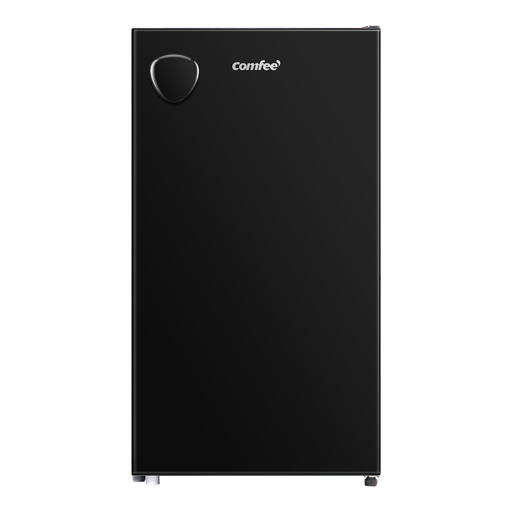 No image available
The stated width of 44,5 cm may suit a narrow space; also check how much clearance is needed around the appliance.
Total capacity: 88 litres; fridge space: 83 litres. The thermostat is adjustable and the door is reversible.
According to the product description, the separate chiller compartment is intended for short-term cooling only; do not store food in it for more than 2 hours.
 No image available
The stated width of 449 mm may suit a space with limited room; check the available space and ventilation clearance.
Fridge capacity: 90 litres. According to the product description, the fridge compartment temperature can be set from 0–10 °C.
According to the product description, the separate chiller compartment has a range of −5 to 5 °C; check the temperature of the fridge compartment during use.
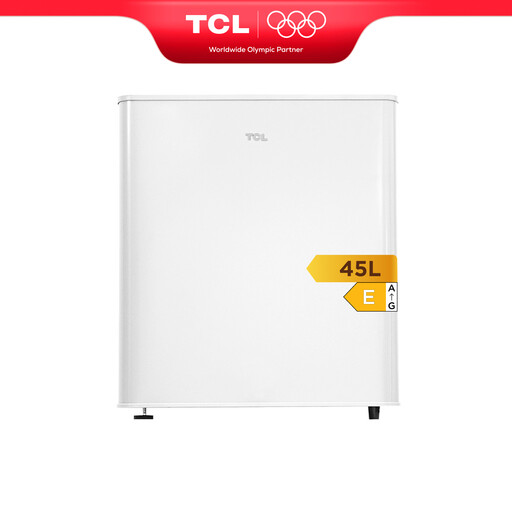 No image available
This model combines fridge space with a small freezer compartment; compare the balance with how much chilled food you want to store.
Total capacity: 45 litres, comprising 42 litres of fridge space and 3 litres of freezer space. The stated temperature setting for the fridge compartment ranges from 0–10 °C.
The product description gives the dimensions as 449 × 485 × 512 mm. Once installed, check that the appliance reaches the temperature you want.
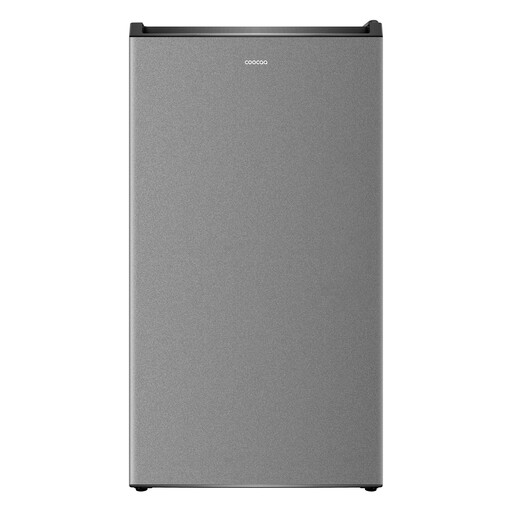 No image available
The stated width of 444 mm may suit a compact space; also allow for ventilation and door clearance.
Usable fridge capacity: 83 litres. The product description lists temperature controls, adjustable shelves, a salad drawer and three door compartments.
Stated dimensions: 444 × 456 × 850 mm.
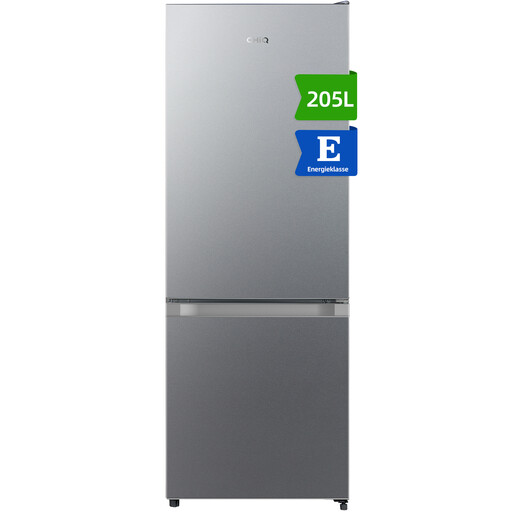 No image available
This combination model offers both fridge and freezer space; check that its stated width and height will fit in the space available.
Fridge capacity: 153 litres; freezer capacity: 52 litres. The product description mentions Low Frost and a reversible door.
The stated width is 540 mm and the height is 144 cm. The product specifications recommend a setting of 4 °C for fresh food.
The Voedingscentrum gives a guide of 1–3 days for homemade plain hummus and 5–10 days for ready-made plain hummus. Also follow the instructions on the specific packaging; these general timeframes do not mean hummus is safe to eat after it has been stored incorrectly.
Set the fridge to 4 °C, as recommended by the Voedingscentrum, and check the temperature once it is in place. The selected setting or stated temperature range does not automatically show what temperature the appliance will reach in your conditions.
Only if the installation meets the requirements for the exact model. The Inventum KK471W manual requires space around the appliance for ventilation, so an enclosed cupboard is not automatically suitable.
The current EU energy label, with its A–G scale, applies to household fridges; also compare the stated annual consumption for the exact model. ACM ConsuWijzer explains that if a product breaks down sooner than you could reasonably expect with normal use, you have rights against the seller. For online purchases, you generally have a 14-day cooling-off period after delivery, subject to statutory exceptions.