What should you look for?
Start by checking whether you can fit covered dishes in the fridge and set it to 4 °C. Then consider how much freezer space you need for portions you want to keep for later.
Prioritise fridge space
Choose this if: you want to keep several containers and serving dishes chilled before the meal.
Trade-off: a larger fridge compartment may mean a bigger appliance or less freezer space, so measure your dishes and check the shelf layout.
Choose more freezer space
Choose this if: you’ll also use the appliance to freeze portions for later.
Trade-off: extra freezer space won’t keep the hummus chilled for the meal. Compare freezer capacity separately from fridge capacity.
Consider the size and everyday use
Choose this if: the meal is a one-off and the appliance will otherwise be used every day in a small kitchen.
Trade-off: a smaller appliance may be easier to fit, but check that your dishes will fit inside. Also compare the stated annual energy consumption.
| What to consider |
What to look for when buying |
Who should prioritise this? |
| Keeping food chilled around mealtime |
Check whether the fridge can be set to 4 °C and whether covered containers will fit. Keep perishable dishes out of the fridge for as little time as possible. |
If I want to serve opened hummus chilled, temperature and easy access are my main priorities. Around 36% of consumers say serving food safely chilled is their biggest buying concern. |
| Space for serving dishes |
Compare fridge capacity and shelf layout separately from the freezer compartment. Measure your largest dish and the space available in your kitchen. |
For a meal with several dishes, I want to know whether they’ll actually fit on the shelves. Around 29% of consumers prioritise usable fridge space for serving dishes. |
| Freezing portions |
Compare freezer capacity and drawer layout; check whether the freezer can be set to at least −18 °C. |
If I want to keep leftovers for later, I need suitable freezer space as well as fridge space. Around 21% of consumers say freezing portions is their main buying concern. |
| Energy use and location |
Compare the energy label and stated annual consumption in kWh, as well as the external dimensions. If you’re placing the appliance in an unheated space, check the permitted operating conditions for the exact model. |
If the fridge will be used every day in a small or unheated space, I want to know whether its size and energy use are suitable. Around 14% of consumers give everyday energy use and placement top priority. |
Fridge-freezers at Joybuy
This selection includes fridge-freezers in a range of sizes, with separate fridge and freezer compartments, so you can choose a layout that suits chilled dishes and portions for later.
 No image available
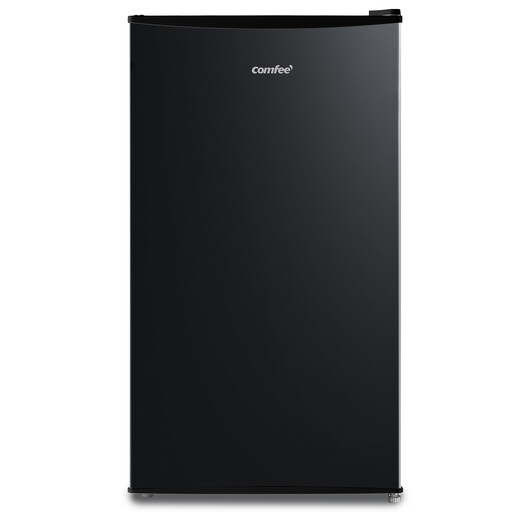
Comfee' RCD115DK2 fridge with freezer compartment, 80 L
A compact model for chilled storage, with a small freezer compartment too.
Fridge capacity: 68 L; freezer capacity: 12 L. Height: 84,5 cm. Adjustable temperature control, reversible door and E energy rating. The product lists a four-star freezer compartment with a temperature range of −18 °C to −8 °C.
View at Joybuy
 No image available
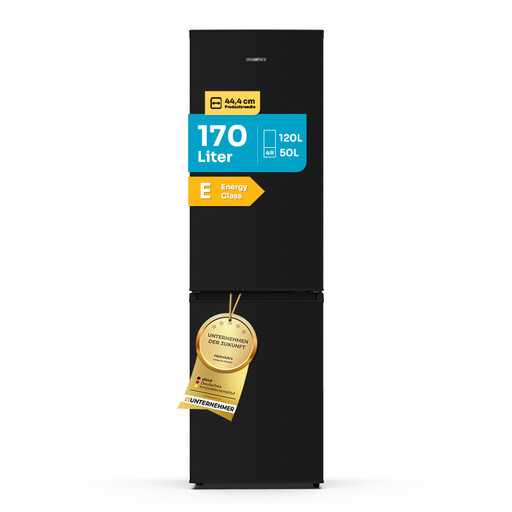
Heinrichs fridge-freezer, 170 litres
The separate fridge and freezer compartments can help you balance everyday chilled storage with space for frozen portions.
Fridge capacity: 120 L; freezer capacity: 50 L. The product lists adjustable glass shelves and three freezer drawers.
View at Joybuy
 No image available
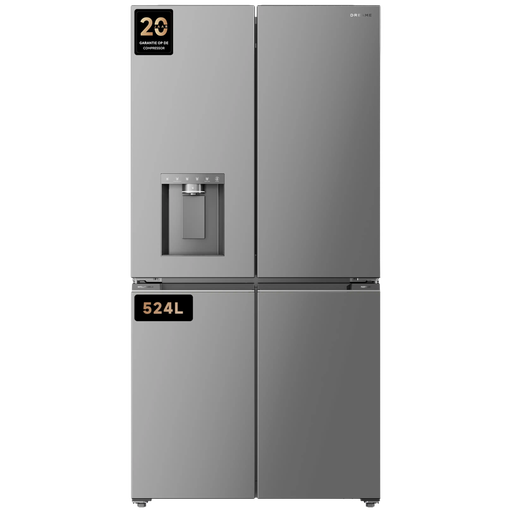
Dreame DRC560WMXEEUP four-door fridge-freezer
The stated fridge and freezer capacities offer plenty of space to compare if you want to keep dishes chilled and freeze portions too.
Fridge capacity: 308 L; freezer capacity: 203 L. The product lists a freezing capacity of 12 kg per 24 hours, No Frost and an E energy rating.
View at Joybuy
 No image available
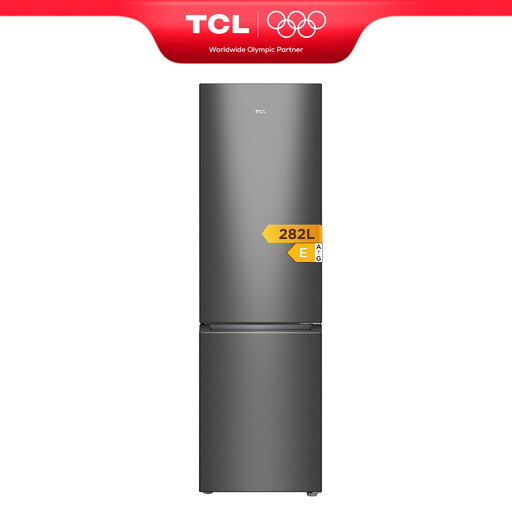
TCL RF366BSE0NL fridge-freezer, 282 L
A model with separately listed fridge and freezer capacities, so you can choose a layout that suits chilled dishes and portions for later.
Fridge capacity: 202 L; freezer capacity: 80 L. Width: 55 cm. The product lists an E energy rating and a reversible door.
View at Joybuy
 No image available
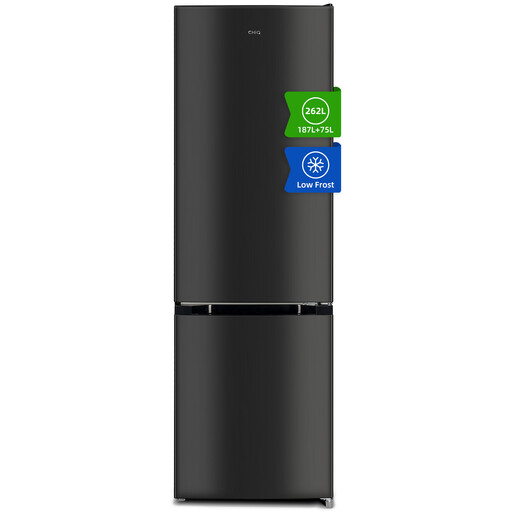
CHiQ JR263LGE fridge with freezer compartment, 262 L
Adjustable shelves may be useful if you want to adapt the layout to fit containers and other chilled food.
The product lists Low Frost, a four-star freezer function, a noise level of 39 dB and a reversible door. Separate fridge and freezer capacities aren’t included in the product information shown.
View at Joybuy
Frequently asked questions
How long can opened hummus be kept in the fridge before a community meal?
For plain hummus, the Netherlands Nutrition Centre recommends keeping homemade hummus in the fridge for 1–3 days after opening, and shop-bought hummus for 5–10 days. Also check the packaging instructions and how the product has been handled. A new fridge won’t make up for incorrect storage.
Can hummus stay on the table throughout the meal?
No. The Netherlands Nutrition Centre advises never leaving perishable food out of the fridge for more than 2 hours, after which it should be thrown away. Serve small amounts and keep the rest chilled.
What temperature should I set my fridge and freezer to?
The Netherlands Nutrition Centre advises setting your fridge to 4 °C and your freezer to at least −18 °C. Freeze portions in small amounts and don’t put too much in the freezer at once.
Who can help if my new fridge-freezer is faulty?
According to the Dutch government, the retailer must provide a solution if a product is faulty. A manufacturer’s guarantee is in addition to your statutory rights.
What can I do with my old fridge in the Netherlands?
According to the Dutch government, when you buy a new appliance of the same type, you can return your old one to the shop, which is required to take it back. You can also take it to your local council’s recycling centre.


