
Student who wants to measure and adjust first
You want to know whether you need to add moisture and avoid making the room too humid. In that case, a hygrometer and adjustable output matter more than simply having a large tank.


Don’t buy a humidifier just because heated air feels dry: check the relative humidity first. The GGD recommends keeping it between 40 and 60%. If you do need to add moisture, compare an adjustable model that suits your room, and factor in water and filter maintenance. Keep ventilating, and watch out for condensation or mould.
You want to know whether you need to add moisture and avoid making the room too humid. In that case, a hygrometer and adjustable output matter more than simply having a large tank.
You use the same room for sleeping and studying, so you compare the noise, lighting and night mode of the specific model.
You’re looking for a unit that fits your space and has a tank you can empty, refill and clean easily. A simple design may be more practical than extra features.
A good fit if: you’re looking for a mist humidifier and can monitor the humidity yourself.
Bear in mind: the EPA warns that ultrasonic devices can disperse minerals and micro-organisms from tank water; choosing the right water and cleaning the unit remain important.
A good fit if: you’d rather avoid visible ultrasonic mist and have space for an evaporative humidifier.
Bear in mind: check the noise level of the specific model and whether it needs replacement filters.
A good fit if: adjustable humidity control matters more to you than simple operation.
Bear in mind: a sensor doesn’t replace checking for condensation, ventilating or cleaning. Don’t automatically choose a setting above the GGD’s recommended range of 40–60%.
A good fit if: a hygrometer doesn’t show persistently low humidity.
Bear in mind: if you have condensation or mould, it’s best to address the indoor environment and ventilation first.
Measure the humidity and check your ventilation before choosing a unit. The GGD recommends keeping humidity between 40 and 60%; the EPA advises emptying portable humidifiers daily, wiping them dry and refilling them.
| What to consider | What should you check? | Who should pay attention to this? |
|---|---|---|
| Humidity control | Take a reading with a hygrometer first; check whether the model has an adjustable humidistat and look out for condensation. | If you want to add moisture without making the room too humid, prioritise measuring and adjusting. Around 33% of consumers put humidity control first. |
| Quiet operation for sleeping and studying | Compare the noise levels for each setting and check whether the lights can be switched off. | If the unit is next to your bed, noise and light could determine your choice. Around 25% of consumers put a good night’s sleep first. |
| Cleaning and water quality | Check that the tank and parts are easy to reach, and find out which water and filter instructions apply to the model. | If you want to refill the unit daily and clean the tank thoroughly, ease of maintenance is important. Around 25% of consumers put maintenance first. |
| Space and ongoing supplies | Compare the dimensions and stated room coverage with your room; if you’re considering an evaporative model, check which filter it needs. | If you have limited space or want to factor in replacement parts, size and maintenance supplies are important considerations. Around 17% of consumers put space and costs first. |
A dry feeling doesn’t tell you the relative humidity in the room. Adding more moisture can make an existing damp problem worse.
Check the humidity first, look for condensation and keep the room ventilated.
A larger tank may mean fewer refills, but you’ll still need to change the water and clean the unit. An evaporative humidifier may also need a replacement filter.
Check that you can easily reach the tank and parts, and see which components are used with the specific model.
The EPA says ultrasonic humidifiers can disperse minerals from the tank water into the air.
Follow the model-specific instructions on water choice and cleaning.
Stadler Form describes the Oskar little as an evaporative humidifier for smaller rooms, with a stated coverage of up to 30 m².
The Dual 150 is an ultrasonic top-fill model with a 3-litre tank and dial controls.
The Beam Mini² is an ultrasonic model with built-in humidity measurement and an adjustable humidistat.
According to Philips, the HU4813/10 uses NanoCloud evaporative technology.
According to medisana, the AH 680 combines ultrasonic humidification with humidity control and a separate aroma compartment.
This selection includes evaporative and ultrasonic humidifiers, with both manual and automatic controls. Compare each version and its maintenance requirements with your room and how you plan to use it.
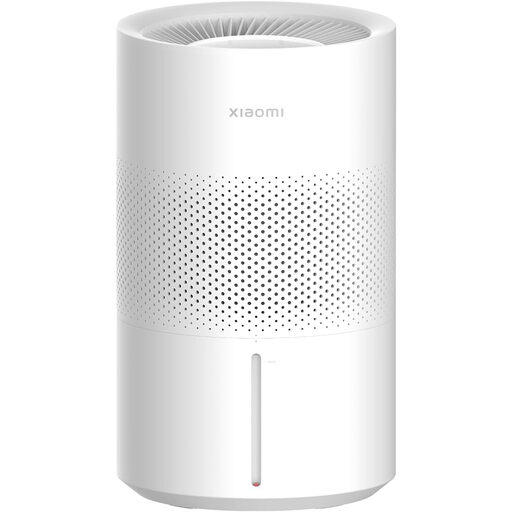 No image available
An evaporative model for anyone who prefers evaporation to ultrasonic mist; check that this version suits your room and maintenance routine.
The product information says to use clean, cold tap water only, and not to add oils, chemicals or cleaning products.
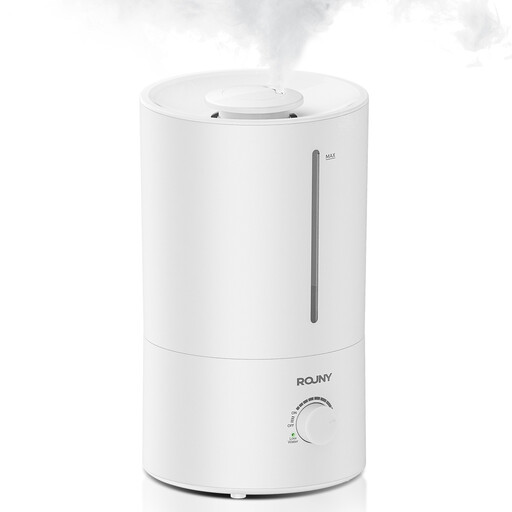 No image available
Worth comparing if you’re looking for an ultrasonic model that fills from the top and has manually adjustable mist output.
The product name lists a 4-litre tank, 23 W, a mist output of 350 ml/h, a 360° outlet and a noise level of ≤38 dB.
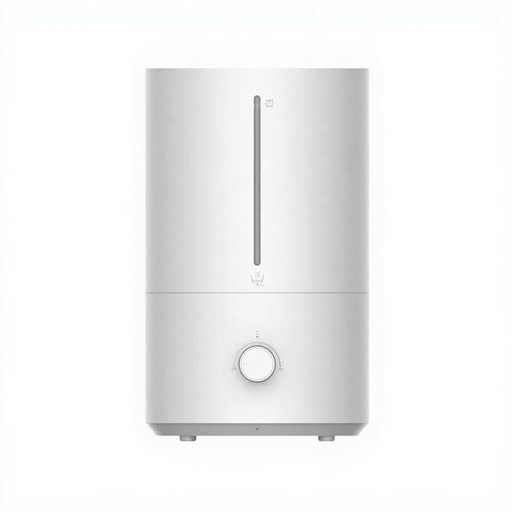 No image available
An option to compare if the stated tank capacity and mist output suit your needs and the space you have available.
The product name lists 300 ml/h and a 4-litre tank. The product information recommends cleaning the tank thoroughly every three days.
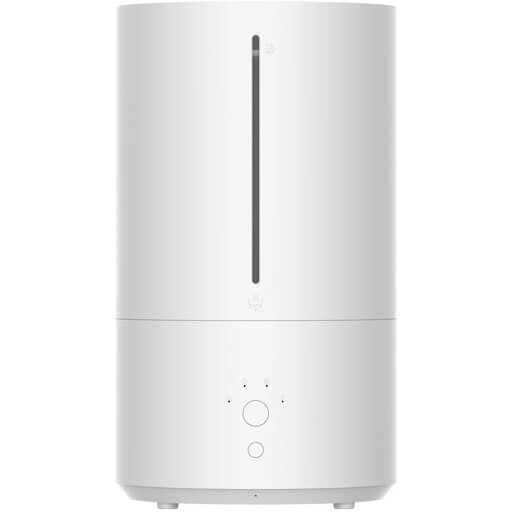 No image available
An ultrasonic model to consider if automatic humidity control and top-fill access are important to you.
A UV-C claim doesn’t mean you can skip changing the water and cleaning the unit; the EPA advises emptying portable humidifiers daily, wiping them dry and refilling them.
 No image available
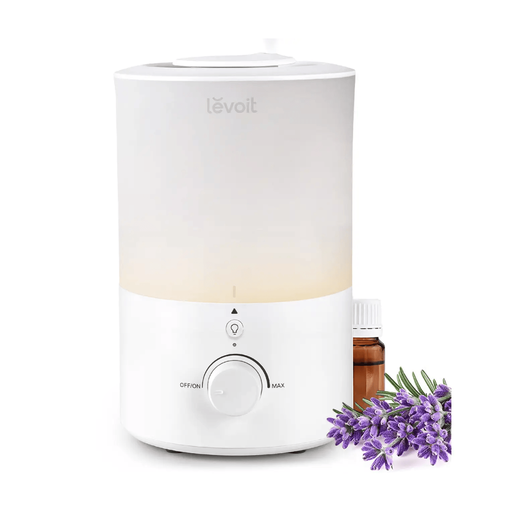
An ultrasonic model to compare if a 3-litre tank and button controls suit the way you’ll use it.
The product name lists a 3-litre tank, a white finish and 25 W.
Not for that reason alone. Check the relative humidity first; the GGD recommends aiming to keep it between 40 and 60%. Make sure you continue to ventilate the room too.
The US Environmental Protection Agency advises emptying portable humidifiers daily, wiping them dry and refilling them, and cleaning them every three days. Also follow the manual for your specific model to find out which cleaning products and parts are suitable.
No. A filter or UV-C function doesn’t mean you can skip changing the water and cleaning the unit. Follow the appliance’s maintenance instructions and bear the EPA’s general guidance in mind.
According to the Netherlands Authority for Consumers and Markets, the seller is responsible for the statutory guarantee if a product doesn’t do what you could reasonably expect under normal use; in the Netherlands, there is no fixed guarantee period of exactly two years. According to the European Union, CE marking is only compulsory for products covered by applicable harmonised rules. So check the product information for the version you choose.