
Anyone looking to adjust the humidity
You want to measure whether humidification is needed in the room, while avoiding damp windows or walls. The GGD Leefomgeving also lists poor ventilation as a possible cause of a dry throat.


First, measure the humidity in the room where you want to use a humidifier: a dry throat alone doesn’t prove that the air is too dry. The GGD Leefomgeving gives 40–60% as a recommended range. Only then choose a model based on room size, humidity control, noise and maintenance, and keep ventilating to help prevent condensation and mould.
You want to measure whether humidification is needed in the room, while avoiding damp windows or walls. The GGD Leefomgeving also lists poor ventilation as a possible cause of a dry throat.
You’re looking for a device for one room and want to weigh its stated room coverage against the space available. Venta and Stadler Form publish room coverage for the models mentioned here; also check the dimensions and where you can place it in your flat.
If you’ll use the device at night or frequently, it’s worth checking its noise level and cleaning routine in advance. The US Environmental Protection Agency (EPA) provides maintenance advice for portable humidifiers, while Stadler Form lists a noise range for the Oskar little.
| What to consider | What should you check? | Who should prioritise this? |
|---|---|---|
| Measuring and controlling humidity | Use a hygrometer in the room where you’ll use the device, and check whether it has adjustable humidity control. | If I want to know whether humidification is needed and avoid condensation, humidity control comes first. Around 31% of consumers put humidity control at the top of their list. |
| Size for one room | Compare the stated room coverage with the size of your room, and check the device’s dimensions, tank and the space around it. | In a small flat, I need a device that fits the room and the space available. Around 25% of consumers put finding the right size first. |
| Noise and night-time controls | Check the stated noise range for each setting, along with the night mode, lighting and controls. | If the device is in or near my bedroom, I want to know what I might hear or see at night. Around 25% of consumers put uninterrupted sleep first. |
| Cleaning and consumables | Read the cleaning instructions for the exact model and check which filters or hygiene products it requires. | I want a maintenance routine I can stick to and to know which consumables I’ll need. Around 19% of consumers put easy maintenance first. |
The GGD Leefomgeving also lists poor ventilation as a possible cause of a dry throat. Adding moisture may also be undesirable if you already have problems with condensation or damp.
First, measure the humidity in the room where you want to use the device, and keep ventilating.
Venta says that its filter-free system with rotating discs still needs the tray and discs to be cleaned.
Compare the full maintenance instructions for the model, including any recommended hygiene products.
Cleaning takes time, and you may need to use a recommended hygiene product.
According to the US EPA, ultrasonic humidifiers can disperse minerals and micro-organisms from the water tank into the air.
Check the manual for guidance on which water to use, and make regular cleaning part of your routine. Low-mineral water can help reduce the spread of minerals.
Using low-mineral water and cleaning regularly can take extra effort or involve ongoing costs.
The Venta LW15 Classic Original is an evaporative humidifier with rotating discs. Venta lists room coverage of up to 29 m² for this model.
Stadler Form lists room coverage of up to 30 m² for the Oskar little. According to the manufacturer, the model has a night mode and a replaceable filter.
Philips describes the Philips HU4813/10 as an evaporative humidifier with NanoCloud technology and automatic control.
The Boneco W200 is an evaporative air washer. Boneco lists recommended coverage of up to 50 m².
This selection includes evaporative and ultrasonic humidifiers. For each model, compare the controls, dimensions and maintenance instructions with the room where you plan to use it.
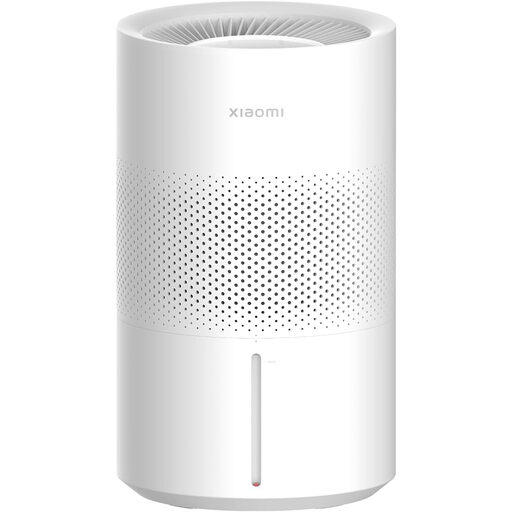 Image unavailable
Evaporative humidification and app monitoring may suit you if you want to keep an eye on humidity levels.
Tank: 5 L. Noise level: ≤55 dB(A). The description mentions app controls and humidity monitoring.
The instructions specify clean, cold tap water and advise against adding oils, chemicals or cleaning products to the tank.
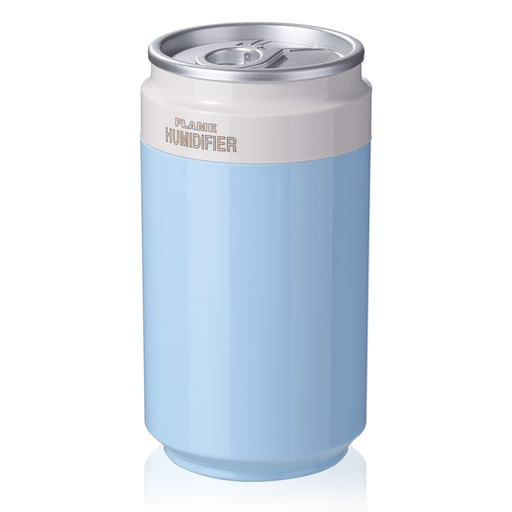 Image unavailable
The description mentions use indoors and in the bedroom. Check whether the small tank will last as long as you need it to.
Tank: 260 ml. The description lists continuous and intermittent mist settings and USB power.
The instructions specify purified or distilled water and say to clean or replace the cotton filter regularly. The EPA recommends low-mineral water for ultrasonic devices to help reduce the spread of minerals.
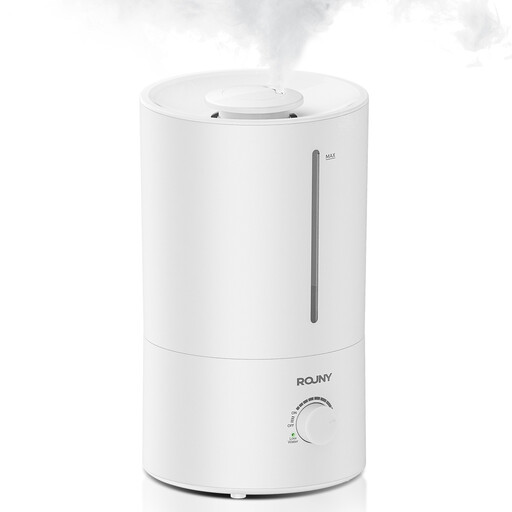 Image unavailable
Adjustable mist output and a top-fill design may suit you if you’re weighing up ease of use and refilling.
Tank: 4 L. Power: 23 W. Mist output: 350 ml/h. Noise level: ≤38 dB. The product name specifies a top-fill tank.
The warnings say not to add essential oils or other liquids to the tank. The EPA recommends low-mineral water for ultrasonic devices to help reduce the spread of minerals.
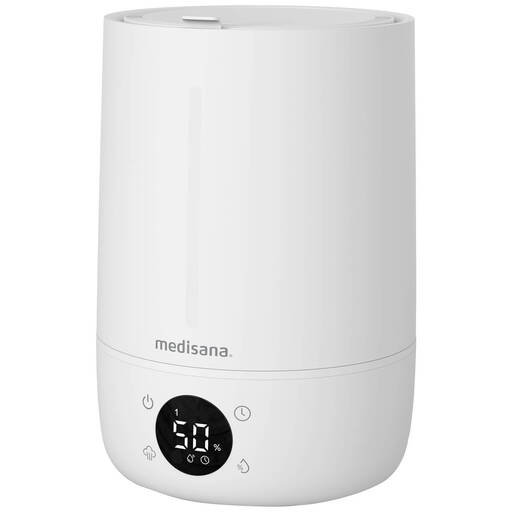 Image unavailable
The description mentions a built-in hygrometer and automatic adjustment, which may suit you if you want to set and monitor humidity levels.
Specified room size: up to 30 m². Adjustable range: 45–75%. The device has three intensity settings and a sleep mode.
The description mentions automatic shut-off when the tank is empty. The EPA recommends low-mineral water for ultrasonic devices to help reduce the spread of minerals.
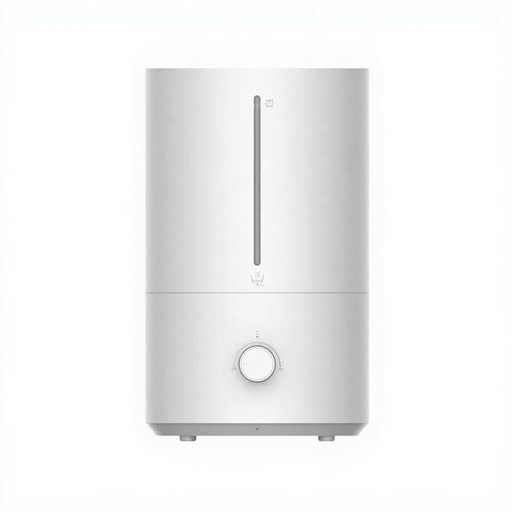 Image unavailable
The stated dimensions can help you work out whether the device will fit in the space available. Also check that its output is right for your room.
Tank: 4 L. Mist output: 300 ml/hour. Noise level: ≤38 dB(A). Dimensions: 190 × 202 × 315 mm.
The product warning says to change the water and thoroughly clean the tank at least every three days. The EPA recommends low-mineral water for ultrasonic devices to help reduce the spread of minerals.
Use a hygrometer to measure the relative humidity in the room where you want to use the device. The GGD Leefomgeving gives 40–60% as a recommended range. A dry throat alone doesn’t prove that the air is too dry, as poor ventilation can also be a cause. Also look out for condensation or mould.
The US EPA recommends emptying the tank daily, wiping the surfaces dry and refilling it. It also recommends cleaning portable humidifiers every third day. Follow the instructions for your exact model as well. This is maintenance advice, not a legal requirement in the Netherlands.
Check the model’s manual. The US EPA recommends low-mineral water, such as distilled water, to help reduce the spread of minerals from ultrasonic devices. Regular cleaning is still essential.
According to ACM ConsuWijzer, online consumer purchases generally come with a statutory cooling-off period of up to 14 days after delivery, subject to exceptions. You’re also entitled to a statutory guarantee if a product doesn’t meet what you could reasonably expect under normal use. Any manufacturer’s warranty doesn’t replace this legal right.
According to the Dutch government, electrical appliances placed on the market in the EU must meet the applicable safety requirements and carry the required CE marking. Check the marking and product information for the specific device; a product name or online shop page alone doesn’t prove that the item meets those requirements.