
Someone with a dry living space
Wants to improve the humidity in the room where they spend a lot of time, without assuming that one appliance will humidify the whole flat.


First, measure the humidity in the room where you plan to use the appliance, and deal with condensation, mould or inadequate ventilation. The US EPA recommends keeping relative humidity below 60% and, where possible, ideally between 30–50%. If the room really is too dry, choose a model suited to that room: evaporative models produce no visible mist, while ultrasonic models need extra care when it comes to water quality and cleaning.
Wants to improve the humidity in the room where they spend a lot of time, without assuming that one appliance will humidify the whole flat.
Is looking for a size and settings suited to bedroom use, and wants to check the noise at the preferred setting and whether there are any lights.
Takes water changes, tank cleaning and any replacement filters into account when choosing a model.
First measure and assess the room; only then choose a type and capacity. The option cards sum up the key choices, while the table shows what to check for each one.
A good fit when: you want to humidify one room without visible mist.
Consider: check the maintenance requirements and filter replacement schedule. The stated room coverage does not guarantee that the desired humidity will be reached in your home.
A good fit when: precise control and a compact appliance are important to you.
Consider: minerals from the water in the tank can be released into the air, so you’ll still need to change the water and clean the appliance carefully.
A good fit when: you can see condensation or mould, or you’re not yet sure whether the room is actually too dry.
Consider: check for damp and ventilation issues first. This step won’t humidify a room that is genuinely dry.
The GGD recommends limiting damp, ventilating and dealing with mould. Measure the relative humidity in the room you have in mind, then compare the stated room size and capacity in ml/uur of the exact model with that space. Ventilation, heating and the setting you use will all affect the results at home.
| Concern | What should you check? | Who is this important for? |
|---|---|---|
| Humidifying the room you use | Compare the stated room size with the room where you plan to use the appliance; also check its capacity in ml/uur. | If I mainly want to humidify the bedroom or living room, I’ll choose a model to suit that room rather than the whole flat. Around 33% of consumers put room-specific humidification first. |
| Quiet use at night | Check the noise at your preferred setting, whether there’s a night mode, any lights and the automatic controls. | If you plan to use the appliance close to where you sleep, consider noise and light. Around 25% of consumers prioritise comfort at night. |
| Maintenance and water quality | Check how to empty and clean the tank, what water quality the manufacturer recommends and whether the model uses replacement filters. | I want to know in advance how much tank maintenance will fit into my routine and whether filters are needed. Around 25% of consumers prioritise maintenance and water quality. |
| Avoiding too much added moisture | Measure the humidity and look out for condensation or mould; make sure ventilation is adequate. | If I see condensation or mould, I want to check the source of the damp and assess ventilation before automatically adding more moisture. Around 17% of consumers want to minimise this risk. |
A room-size specification applies to one room; ventilation and the setting you use will affect the results at home.
Measure the room you want to humidify and compare it with the stated coverage and capacity of the exact model.
A feature that treats the water in the tank doesn’t remove the need to empty, change and clean the tank.
Follow the model’s instructions and check how to clean the tank and whether it needs a model-specific replacement filter.
The US EPA recommends emptying, drying and refilling portable humidifiers daily, and cleaning them every third day. This takes time; a model with replacement filters may also need filter maintenance.
The GGD lists a dry throat, nose and eyes as possible symptoms of inadequate ventilation. Adding moisture won’t address the cause.
Check the ventilation and measure the humidity before deciding that you need a humidifier.
The features listed apply to the specific models below and aren’t a general assessment of each brand.
Philips offers evaporative models with NanoCloud technology. Philips states that the HU2718/10 is suitable for rooms up to 32 m².
The medisana AH 680 is an ultrasonic model with sensor control and an aroma compartment; the AH 660 is a separate model.
The BONECO U200 is an ultrasonic model. Compare its stated capacity and room coverage with the room you actually want to humidify.
These Joybuy product picks are intended for comparison if you’re looking to humidify a specific room, with capacity, controls and maintenance in mind.
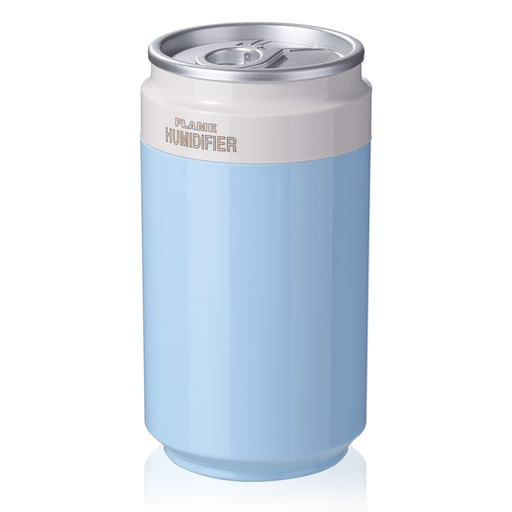 Image unavailable
A portable option to compare if you want to humidify a small indoor space.
The product name lists two mist settings, a built-in LED and automatic shut-off. For ultrasonic use, the US EPA recommends low-mineral water; also follow the model’s maintenance instructions.
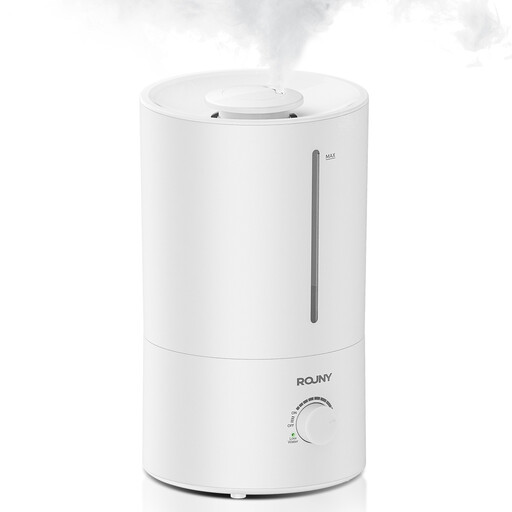 Image unavailable
Compare this model if you’re weighing adjustable mist output and a larger tank against the needs of a single room.
The product name lists a 4-litre tank, 23 W, a mist output of 350 ml/uur, a 360° rotating mist outlet and ≤38 dB(A). The EPA recommends low-mineral water and careful tank maintenance for ultrasonic appliances.
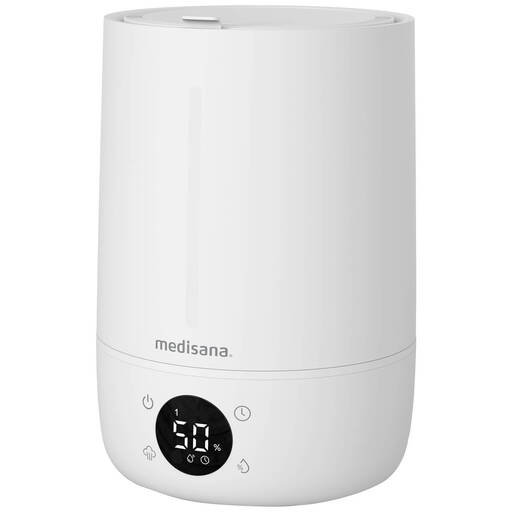 Image unavailable
A model to compare if automatic controls, a sleep mode and top-fill access suit your routine.
Check the instructions for tank care and follow the maintenance guidance for the exact version.
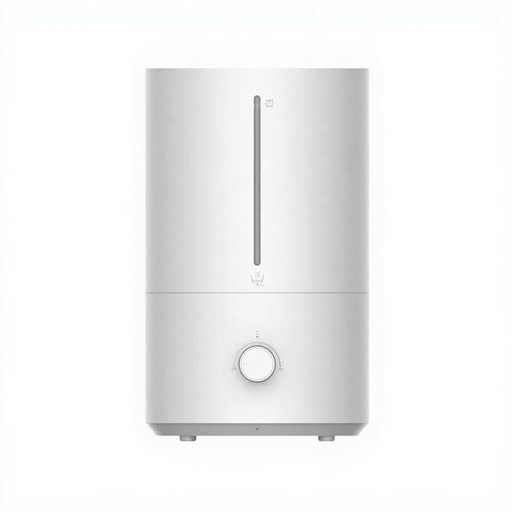 Image unavailable
An option to compare based on the stated capacity and tank size for the room you want to humidify.
The product name lists 300 ml/uur and a 4-litre tank. The product description recommends changing the water and cleaning the tank every three days.
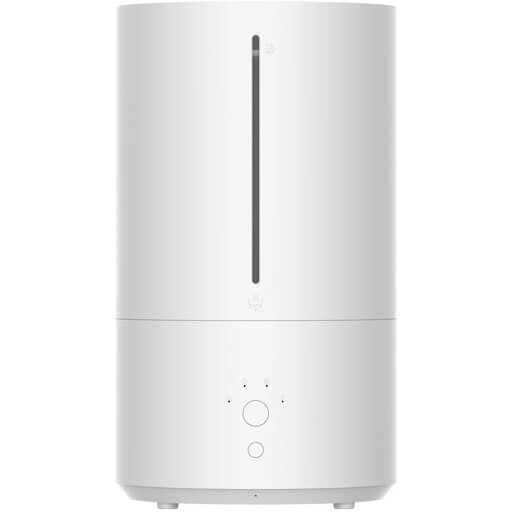 Image unavailable
Compare this model if automatic humidity control and top-fill access are important to you.
The antibacterial name is no reason to skip changing the water and cleaning the appliance; the US EPA recommends low-mineral water for ultrasonic humidification.
Don’t automatically add more moisture. First investigate and reduce the source of the damp, ventilate and deal with any mould. Then measure whether the room really needs humidifying.
The US EPA recommends emptying, drying and refilling the tank daily, and cleaning portable humidifiers every third day. Also follow the model’s instructions; this is advice from the US EPA, not a statutory Dutch maintenance interval.
Ultrasonic appliances can disperse minerals from the water in the tank. The US EPA recommends low-mineral water, such as distilled water, to limit this; also check the manufacturer’s advice for your model.
An electrical appliance must comply with the European product rules that apply to its specific product group; CE marking is required when those rules say so. Business.gov.nl lists rules including the Low Voltage, EMC and RoHS Directives for electrical and electronic products. Check which product information applies to the exact model.
No. According to the Dutch government, there is no fixed statutory guarantee period in the Netherlands. You’re entitled to a product that works properly for as long as you can reasonably expect it to. If there’s a problem, contact the seller; any manufacturer’s guarantee is in addition to this.