
People sharing a large living room
You want an appliance that suits the size and use of your shared space. Compare the stated room size, output and controls for each model.


First, measure the relative humidity and keep ventilating: according to the RIVM, a dry feeling can have causes other than low humidity. If using a humidifier seems appropriate, compare the stated room size and output with your living room, and choose a technology that you can realistically maintain and keep supplied with water. Manufacturer specifications cannot predict the exact results in your home.
You want an appliance that suits the size and use of your shared space. Compare the stated room size, output and controls for each model.
You want to agree on keeping the reservoir water clean, and make an informed choice between a replaceable filter, filter-free evaporation and ultrasonic mist.
You want the noise level, controls and refilling process to suit chatting, reading or watching TV in the same room. Check these features for the specific model.
First, measure the humidity and maintain good ventilation. Then compare the room and how you plan to use the humidifier with the specifications for the exact model.
| What to consider | What should you check? | Who is this important for? |
|---|---|---|
| Humidifying the whole room | Compare the floor area and layout with the stated room size in m² and output in ml/h. Treat the output as a manufacturer figure, not a guaranteed result. | If I want to know whether one appliance will suit our living room, I look at both the space and the model specifications. Around 36% of consumers prioritise humidifying the whole room effectively. |
| Hygiene and humidity control | Check whether the reservoir and humidifying element are easy to access, who will change the water, and how you will measure humidity. Follow the cleaning instructions for your chosen model. | With a shared reservoir, I want cleaning and refilling to be manageable, and to avoid adding extra moisture unnecessarily. Around 29% of consumers put hygiene and humidity control first. |
| Quiet operation and controls | Check the noise rating for the setting you plan to use, how the appliance is filled, and whether the controls are clear to everyone. | If we talk, read or watch TV in the same room, I want to know whether the noise level and controls will suit us. Around 21% of consumers focus mainly on quiet operation and easy shared use. |
| Consumables and after-sales service | Check which filters or other consumables are needed for the exact model and compare the seller’s terms. | I want to know in advance which recurring supplies our model needs and who to contact if there’s a fault. Around 14% of consumers prioritise running costs and after-sales support. |
The RIVM also identifies ventilation, temperature and polluted air as factors that can contribute to a dry-feeling indoor environment. A humidifier is therefore not automatically the answer.
Measure the relative humidity and consider ventilation and other possible causes before choosing an appliance. Keep ventilating.
According to the US Environmental Protection Agency, ultrasonic appliances can disperse minerals and micro-organisms from the reservoir. Stagnant water also needs attention.
Choose this type only if you can keep up with the shared maintenance, and follow the appliance’s instructions for water and cleaning.
Philips specifies a replaceable filter for the HU4210/04; Venta describes the LW25 Classic Original as filter-free. A filter-free evaporative humidifier still needs its water changed and the appliance cleaned.
Check the consumables required for the exact model and how to clean the reservoir and other parts.
With a model that uses a filter, you’ll need to allow for replacement filters. Both types take time to clean and refill with fresh water.
Philips describes the HU4210/04 as a NanoCloud evaporative humidifier with automatic settings, a 3.5-litre tank and a stated coverage area of up to 44 m².
Venta describes the LW25 Classic Original as a cold-water evaporative humidifier without a humidifying pad or filter, for rooms up to 49 m².
According to Duux, the Beam Mini² is an ultrasonic model with top-fill, a built-in hygrometer and hygrostat, and a stated coverage area of up to 30 m².
This selection includes different types of humidifier for home use. Compare the stated tank capacity and output with your living room, and bear refilling and cleaning in mind.
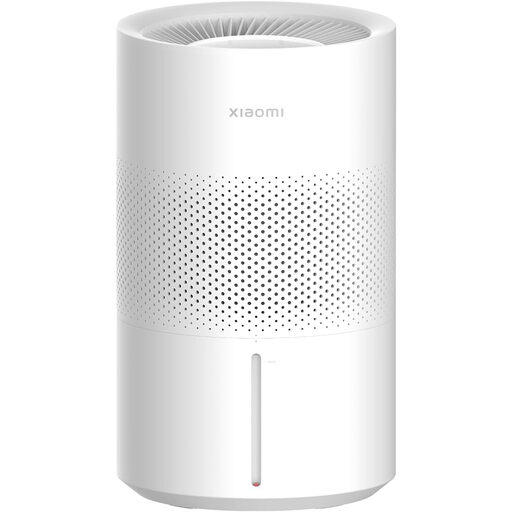 Image unavailable
An evaporative model to consider if you’re looking for this type of humidification. Check whether the specifications suit the size and use of your living room.
The product name specifies the EU version.
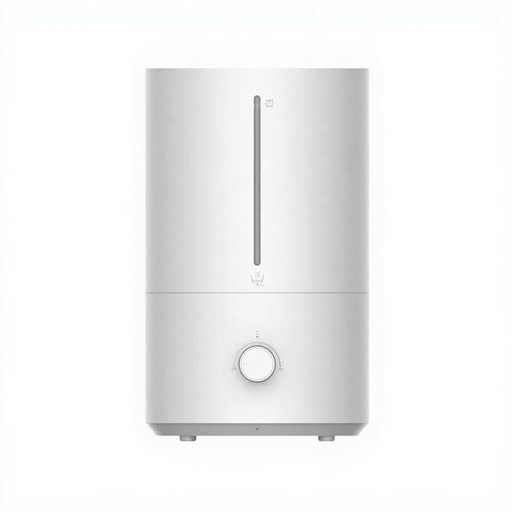 Image unavailable
Compare the stated output with the space you want to humidify, and decide who will refill and clean the reservoir.
The product name specifies a 4-litre tank and an output of 300 ml/h.
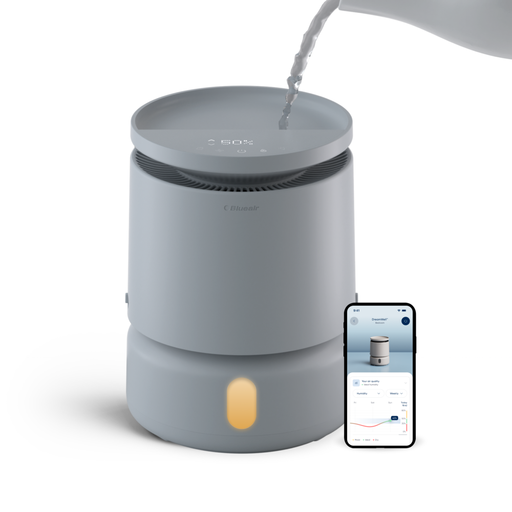 Image unavailable
The product name describes mist-free humidification. Compare the information for this model with your preferred room size and how you plan to use it.
The product name specifies top-fill and a run time of up to 48 hours. Check the product information for conditions and maintenance details.
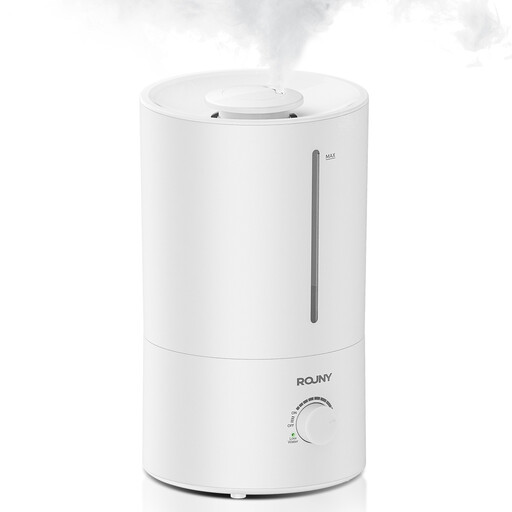 Image unavailable
An ultrasonic model to consider if top-fill and adjustable mist output suit the way you’ll use it. Bear in mind that changing the water and cleaning the appliance need regular attention.
The product name specifies a 4-litre tank, top-fill and an output of up to 350 ml/h.
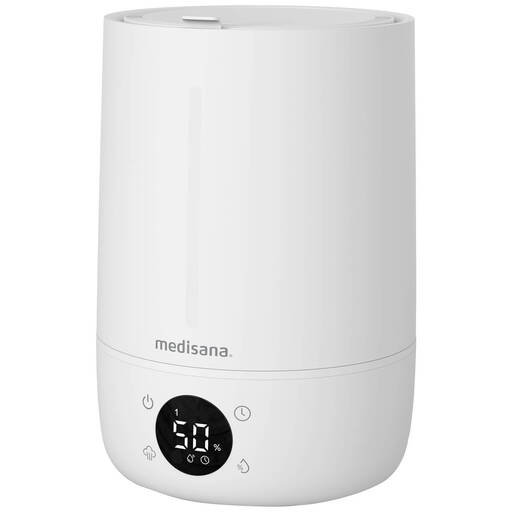 Image unavailable
For a shared living room, check the model information on humidification, controls and cleaning, and agree on who will look after the reservoir.
The product name specifies the white version. See the product information for suitable room sizes and instructions for use.
First, measure the relative humidity and consider ventilation and temperature too. Milieu Centraal recommends a relative humidity of 40–60%; the RIVM notes that a dry feeling can have several causes. Use this range as a guide, not as a legal threshold for buying a humidifier.
Don’t use humidification as a replacement for necessary ventilation. The RIVM says that indoor air needs to be refreshed continuously; Milieu Centraal warns that insufficient ventilation traps moisture and pollutants indoors.
Agree on who will empty, wipe dry and refill the reservoir with fresh water each day. The US Environmental Protection Agency also recommends cleaning portable humidifiers every third day and rinsing the cleaning solution away thoroughly. Follow the manual for your chosen model too.
Check which consumables are needed for the exact model; for example, Philips lists a replaceable FY5030/00 filter for the HU4210/04. According to the Dutch government, if a product is faulty, the seller is responsible for providing a solution under the legal guarantee. There is no fixed statutory guarantee period of two years.
CE marking is required for products covered by harmonised EU rules that specify it. The European Commission lists electrical and electronic equipment as a relevant product category. A CE logo alone is not an independent inspection certificate or proof that a particular model on sale meets every requirement; check the product information and relevant documentation.