
Anyone with a large, open-plan living room
You want to tackle dry air from the heating and compare the stated capacity with the whole open-plan space, not just the seating area. The layout and ventilation can also make a difference.


First, measure the relative humidity, then compare the stated room size and moisture output with your entire living room. An open-plan or well-ventilated space calls for extra attention to capacity. Evaporative humidification may suit you if you don’t want visible mist, while an ultrasonic model requires different considerations when it comes to water and cleaning. In its 2021 guidance, GGD Leefomgeving gives 40–60% as a recommended humidity range: keep ventilating, and don’t automatically add moisture if there’s already condensation or damp patches.
You want to tackle dry air from the heating and compare the stated capacity with the whole open-plan space, not just the seating area. The layout and ventilation can also make a difference.
You want to measure humidity and keep ventilating, while checking for condensation or existing damp patches before adding more moisture. In its 2021 guidance, GGD Leefomgeving gives 40–60% as a recommended range.
You compare how the tank is filled and cleaned, and whether the model uses humidifier filters. Water-containing parts need attention, so also follow the maintenance instructions for your chosen model.
Measure the humidity, then work out the capacity you need for the whole living room. In its 2021 guidance, GGD Leefomgeving gives 40–60% as a recommended range.
| What to consider | What to look for | Who should pay particular attention? |
|---|---|---|
| Capacity for the whole room | Compare the stated room size and moisture output with the entire open-plan living room, taking ventilation and layout into account. | If I want to humidify the whole open-plan living room, the right coverage comes first; around 36% of consumers make sufficient capacity their top priority when buying. |
| Humidity control | Check whether you can see the humidity reading and set a target level; also keep an eye out for condensation and damp patches. | I want to tackle dry air without ignoring condensation or damp patches; around 29% of consumers give humidity control top priority. |
| Water and cleaning | Check how to clean the tank and wet components, and whether humidifier filters need replacing. | If I use the appliance regularly, I want to be able to keep on top of the tank and maintenance; around 21% of consumers put easy maintenance first. |
| Ease of use in the living room | Compare the noise level on each setting, how it’s refilled and how much space it takes up; don’t let convenience outweigh sufficient capacity. | I want the appliance to be easy to use in my living space, once I know the capacity is right; around 14% of consumers make ease of use their top priority. |
Tank capacity, maximum moisture output and stated running time are different specifications, and may apply to different settings.
Compare the tank capacity with the maximum output and stated room size too. Don’t assume the maximum running time applies at maximum output.
If you need a high moisture output, you may have to refill more often than the tank capacity suggests.
The US Environmental Protection Agency warns that ultrasonic appliances can release minerals and micro-organisms from the tank water into the air.
Compare evaporative and ultrasonic humidification based on the capacity you need for your room, and the water and cleaning maintenance you’re prepared to do.
Possible mineral deposits may mean extra cleaning.
Excess moisture can encourage the growth of biological organisms in the home, and a humidifier is no substitute for ventilation.
Measure first and keep ventilating. Investigate condensation or existing damp patches rather than letting the appliance humidify automatically.
The manufacturer describes the Oskar big as an evaporative model for larger rooms.
Venta describes the LW45 Comfort Plus as a cold evaporative humidifier.
Philips’ Dutch product page describes the 5000 Series HU5710/03.
Boneco describes the H400 SMART as combining evaporative humidification with air purification.
The Duux Beam 2 is an ultrasonic alternative that may appeal if you’re looking for a compact design, top-fill convenience and app control.
This selection includes evaporative humidifiers, ultrasonic models and combinations with air purification. Before choosing, compare each model’s suitable room size, maintenance requirements and controls.
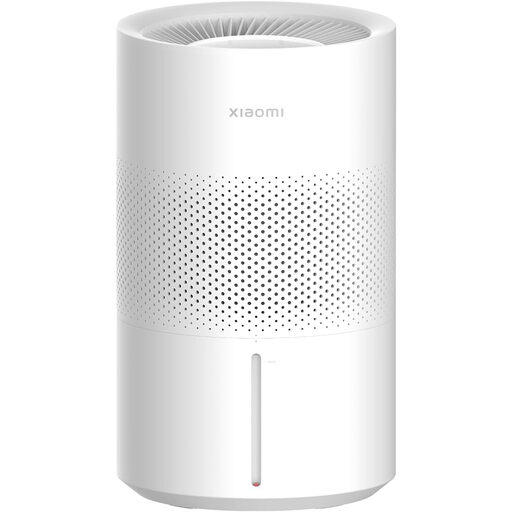 No image available
An evaporative model to consider if you prefer evaporative humidification; check the stated room coverage and maintenance requirements for your needs.
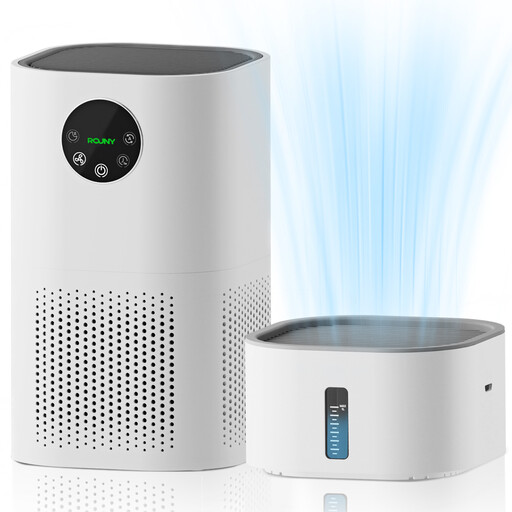 No image available
A combination model to consider if you’re looking for air purification as well as humidification; check how often the filter needs replacing and what maintenance is involved.
The stated filter replacement frequency depends on usage and air quality.
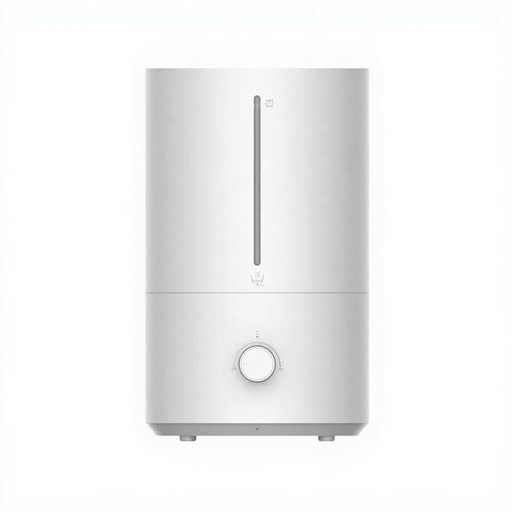 No image available
A humidifier to add to your shortlist; check that its stated capacity and tank size are suitable for your entire living room.
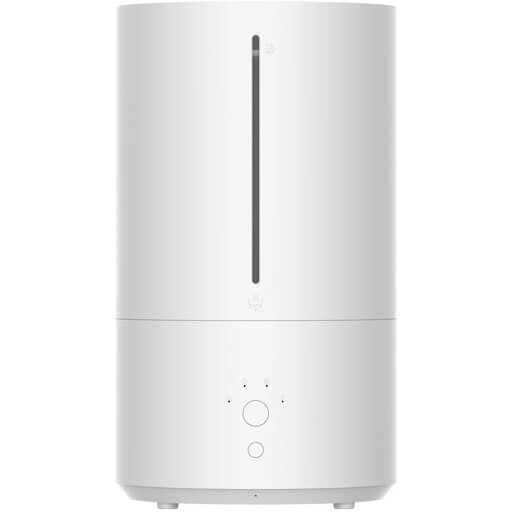 No image available
An ultrasonic model to consider if you value easy controls and top filling; weigh that convenience against the capacity and water maintenance required.
The US Environmental Protection Agency recommends low-mineral water, such as distilled water, for ultrasonic appliances to limit the spread of minerals.
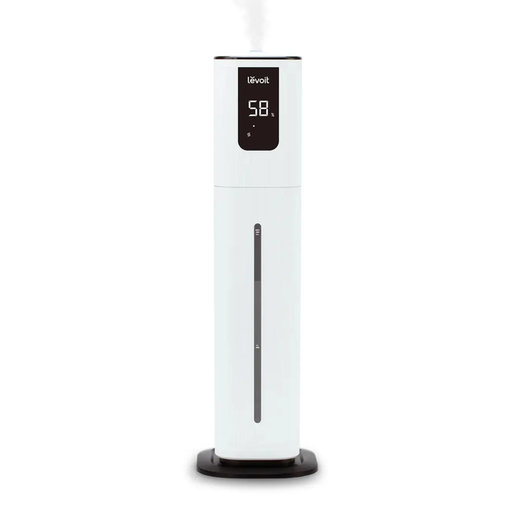 No image available
An ultrasonic model with top filling to consider if that refill method suits you; check the stated room coverage and maintenance instructions.
The US Environmental Protection Agency recommends low-mineral water, such as distilled water, for ultrasonic appliances to limit the spread of minerals.
Yes. First, measure the relative humidity in your living room. In its 2021 guidance, GGD Leefomgeving gives 40–60% as a recommended range; don’t automatically add moisture if there’s condensation or existing damp patches.
No. Humidifying adds moisture, while ventilation brings fresh air in and removes stale indoor air. Milieu Centraal describes ventilation as bringing in fresh air and removing polluted air, so keep your ventilation systems in use.
Empty the tank, dry the surfaces and refill it according to the model instructions. The US Environmental Protection Agency recommends emptying, drying and refilling it daily, and cleaning it every three days. This is usage guidance, not a Dutch statutory maintenance interval.
The US Environmental Protection Agency recommends low-mineral water, such as distilled water, to limit the spread of minerals. Also check the water guidance for your chosen model; this recommendation doesn’t mean every model will cause the same amount of mineral build-up when used with tap water.