
People with a large, open-plan living space
Compare the stated room coverage and output with the entire area you want to humidify, including any open-plan areas.


First, measure the humidity, then compare the stated capacity with the entire living room, including any open-plan areas. An evaporative humidifier is worth considering if you don’t want visible mist; with ultrasonic models, water quality and regular cleaning need extra attention. Before choosing a model, also check its maintenance requirements and the conformity documentation for the exact version.
Compare the stated room coverage and output with the entire area you want to humidify, including any open-plan areas.
The type of technology and your cleaning routine will influence what you need to consider when using the appliance. The US Environmental Protection Agency (EPA) advises paying attention to water quality and cleaning when using portable humidifiers.
Consider how you refill the tank, whether the appliance has a humidistat, and which replacement parts and maintenance routines are required for the model.
First, measure the relative humidity and identify any adjoining rooms that are open to the space. Then compare the stated room coverage and output, and check whether you can follow the maintenance and control instructions for your chosen model.
| What to consider | What to look for | Who is this important to? |
|---|---|---|
| Capacity for the whole living room | Compare the stated m² and output per hour with the entire open-plan living space. Don’t assume the manufacturer’s figures guarantee the same performance in your home. | If you want to humidify a large or open-plan living room, suitability for the whole space is the priority. Around 36% of consumers prioritise sufficient capacity. |
| Water quality and mist | Check the recommended water type, the technology used and how to clean the tank. | If you want to know what an appliance may disperse into the air from its tank, the technology and cleaning requirements will influence your choice. Around 29% of consumers prioritise water hygiene. |
| Humidity control | Measure the relative humidity and check whether the model has an adjustable target setting or humidistat. Keep ventilating. | If you want to humidify without running the appliance unnecessarily, measuring and control are important. Around 21% of consumers prioritise humidity control. |
| Refilling and maintenance | Compare the tank capacity, cleaning instructions and any replacement filters with the routine you can keep up with. | If everyday convenience matters to you, consider refilling, cleaning and replacing parts. Around 14% of consumers prioritise maintenance and running costs. |
The tank capacity tells you how much water it holds; the stated room coverage and output per hour describe different things.
Measure the floor area and include any open-plan areas. Compare the result with both the stated m² and the output per hour.
The EPA warns that ultrasonic appliances can disperse minerals and micro-organisms from the tank into indoor air.
Before buying, check the instructions for water and cleaning for the exact model, and choose a routine you can keep up with.
Changing the water daily and cleaning regularly take time.
Venta describes the LW45 Comfort Plus as a model without humidifying pads or filters. Stadler Form recommends replacing the humidifying filters in the Oskar big every 2–3 months.
Check the replacement part and recommended interval for the full model number.
A model with replacement filters needs periodic replacements; check which parts are required for the version you choose.
According to Venta, the LW45 Comfort Plus is an evaporative humidifier for rooms up to 68 m².
According to the manufacturer, the Oskar big is an evaporative humidifier for rooms up to 100 m², with an adjustable humidistat.
According to Philips Netherlands, the HU5710/03R1 featured here is a refurbished model from the 5000 Series.
According to BONECO, the H700 combines evaporative humidification with a separate air-purifying function.
This selection includes evaporative and ultrasonic models to suit different needs for capacity, control and refilling. Before buying, check the version intended for the Dutch market and its conformity documentation; product specifications alone don’t confirm this.
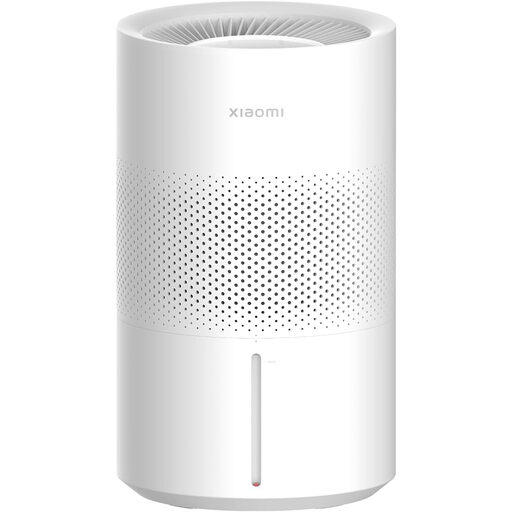 No image available
An evaporative model to consider if you’d rather avoid visible mist.
Tank: 5 litres. Stated humidifying capacity: 600 ml/u.
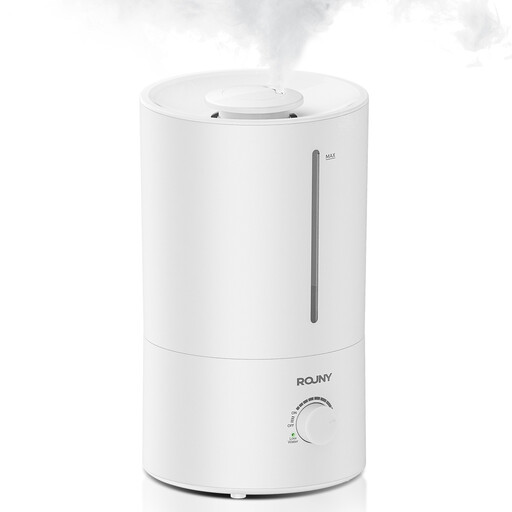 No image available
An ultrasonic model to consider if you want adjustable mist and can follow the maintenance instructions.
Tank: 4 litres, with top-fill design. Adjustable mist output up to 350 ml/u. For ultrasonic appliances, the EPA advises using water with low mineral content and cleaning regularly.
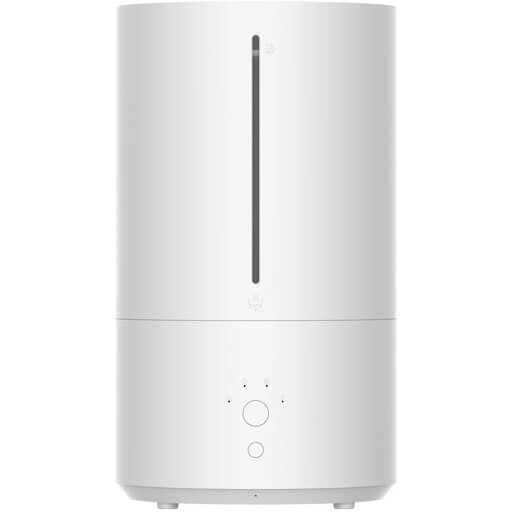 No image available
An ultrasonic model to consider if automatic humidity control and operation via the Mi Home app suit your needs.
The product description states a mist output of up to 350 ml/u and top filling. Bear in mind the EPA recommendations for water quality and cleaning ultrasonic appliances.
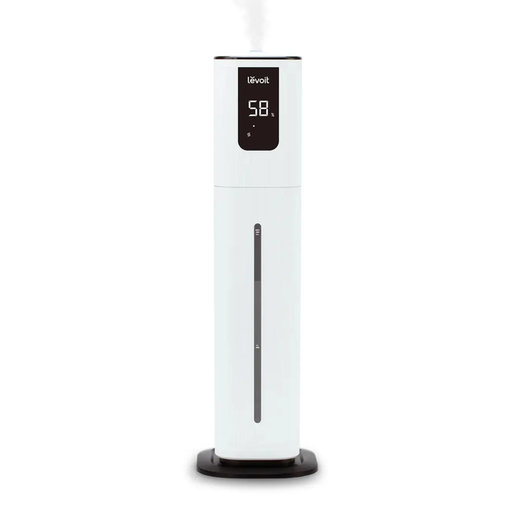 No image available
An ultrasonic model to consider if a large tank and automatic control suit your needs.
The product description states a 10-litre tank, room coverage of up to 55 m² and an output of 350 ml/u. For ultrasonic appliances, the EPA advises paying attention to water quality and cleaning.
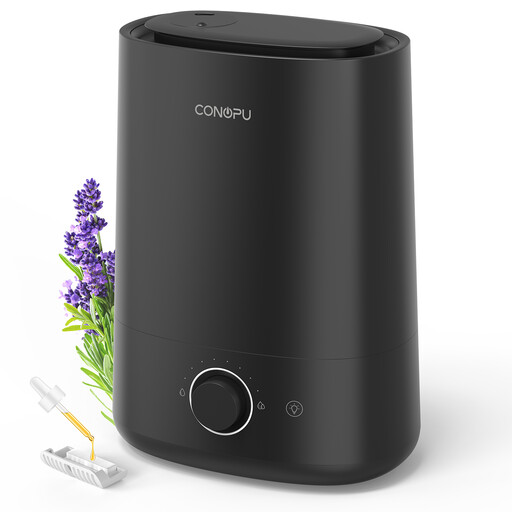 No image available
An ultrasonic model to consider if top filling and an adjustable mist direction would be useful for you.
Tank: 5 litres. The product description states that it has a 360° adjustable nozzle and switches off automatically when the water level is low. Follow the EPA recommendations for water quality and cleaning ultrasonic appliances.
First, measure the relative humidity. In its 2021 guidance, GGD Leefomgeving recommends a level between 40 and 60%; too much moisture can cause mould. So don’t humidify continuously without measuring first.
Yes. Keep ventilating while you adjust the humidification to the conditions you’ve measured. GGD Leefomgeving recommends continuous ventilation to keep indoor air fresh.
Follow the instructions for your specific model. For portable humidifiers, the US EPA advises changing the water daily and drying the tank, and cleaning the appliance every third day. This is EPA guidance, not a legal requirement for use in the Netherlands.
Ondernemersplein explains that manufacturers of electrical appliances sold in the Netherlands are responsible for complying with the applicable European safety requirements, providing the required CE marking and issuing an EU declaration of conformity. A CE marking on its own doesn’t confirm that the documentation for a specific version has been checked. According to ACM ConsuWijzer, if a product is faulty, you have rights under the statutory guarantee; those rights don’t simply have a fixed two-year limit. Check the documentation for the exact version, and bear in mind that your statutory rights are separate from any additional warranty.