
Vandaag of morgen in huis

Kwaliteit gegarandeerd

Welkomstaanbiedingen ontgrendelen: GRATIS bezorging | Tot 80% korting | Gratis 30 dagen JoyPlus-proefperiode
Download de app
You may notice dry air at home through a tight, dry feeling, static clothing or plants that dry out more quickly. A humidifier can be a practical solution, but not every model suits every room. A small device with a limited tank may not be enough for a living room, while a large model can be awkward beside your bed.
As a Joybuy Product Recommendation Officer, I check product information against verifiable specifications. This helps you avoid relying solely on terms such as “ultra-quiet”, “smart” or “extra hygienic”.
Tank capacity doesn’t tell you everything. Running time also depends on the mist output in millilitres per hour. A model with a 5-litre tank may run dry much faster on a high setting than the product title suggests. So always check the tank capacity, mist output and stated maximum running time.
For a quiet bedroom humidifier, the stated decibel level matters more than a marketing term. Product details might list 25, 28 or a maximum of 38 dB, for example. Also check whether that level applies only in sleep mode. A device that is noticeably noisier on its highest setting may be fine during the day but less suitable at night.
A humidifier with an aroma diffuser can be useful, but check where the oil should be added. Some devices have a separate aroma pad or drawer; according to the product information, oil must not be added to the water tank in other models. Don’t use additives unless the instructions explicitly allow it.
Claims about reducing bacteria also need to be read carefully. According to Beurer’s own information, the LB 300 Plus reduces bacteria by up to 99.9% compared with standard ultrasonic models, using cool evaporation. This is a brand claim, not a general guarantee about the air in your home. Regular cleaning and changing the water are still essential.
An ultrasonic humidifier uses vibrations to create a cool mist. These models are often compact and have a low stated noise level. However, minerals in tap water can spread through the air and leave a white residue. So check the advice on water quality and cleaning.
An evaporative model uses a filter or evaporative medium. The mist is less visible, as with the Blueair DreamWell H38i. A warm-mist model can heat the water, but it generally uses more energy and requires extra safety precautions. For a nursery humidifier, placing it securely out of children’s reach is more important than mood lighting.
Compare the recommended floor area with the room where you’ll use the device. The Levoit OasisMist 1000S states coverage of up to 55 m², a 10-litre tank and a mist output of 350 ml/h. According to its product specifications, the Beurer LB 300 Plus is designed for rooms of up to 45 m² and produces up to 300 ml/h.
A large tank is practical for a living room, office or extended use. For a bedside table, a compact 3- or 4-litre model may make more sense. Also check the height: a tower model over 70 cm tall needs a different spot from a low tabletop model.
A humidifier with a hygrometer measures relative humidity. An automatic mode can then adjust the mist output to match a set level. This is more convenient than continually making manual adjustments, but check that the device really has a sensor and an automatic mode.
A humidifier with automatic shut-off stops when the water runs out or the tank is removed. This is a useful safety feature, but always place the device on a flat, water-resistant surface and don’t direct the mist straight at furniture, walls or electronics.
A top-fill humidifier is easier to refill every day. Check the width of the opening: a wide opening generally makes cleaning easier than a narrow tank neck.
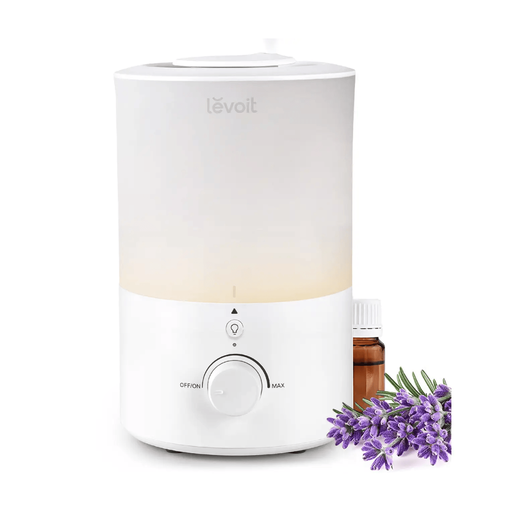
Why it suits this profile: This compact model has a 3-litre tank, a stated noise level of 25 dB and simple button controls. That makes it easy to use in a bedroom or small workspace.
The product information states both 25 dB and automatic shut-off when the tank is empty or removed. The aroma instructions say to add it to the tank; always follow the latest instructions.
3-litre tank, top-fill design, night light and at least 2 years’ statutory EU warranty, according to the product information.
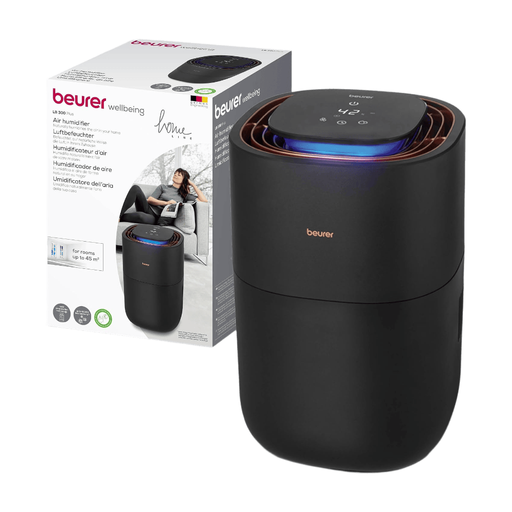
Why it suits this profile: The automatic mode, three adjustable humidity levels, night mode and digital humidity display give you more control over everyday use.
This model uses cool evaporation and a replaceable filter. That means there’s no ambiguity about an ultrasonic mist function, but you should include filter replacements in your running costs.
For rooms up to 45 m², output of up to 300 ml/h, a 1–9-hour timer and a three-year warranty, according to the product description.
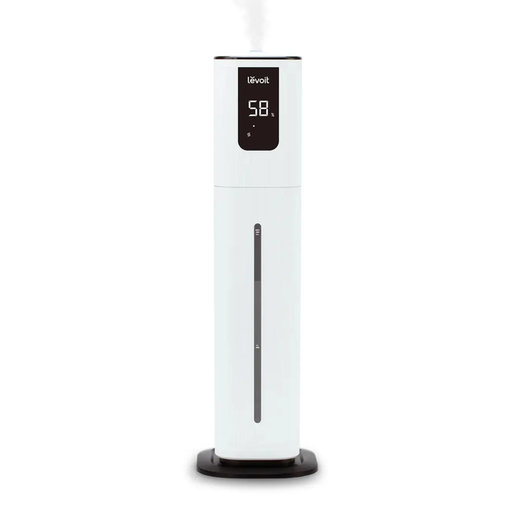
Why it suits this profile: With a 10-litre tank, output of 350 ml/h, app control and automatic mode, this model is suited to larger living spaces, home offices and anyone who wants to manage settings remotely.
The large tank means you’ll often need to refill less frequently, while the automatic mode can help limit over-humidification. The stated 28 dB is a verifiable noise level in the product information.
Suitable for up to 55 m², control via VeSync, Alexa and Google Assistant, a wide top-fill opening and aroma support, according to the description.
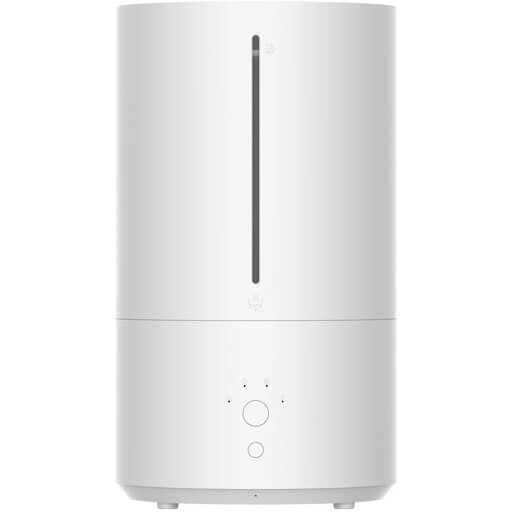
Why it suits this profile: This model combines ultrasonic operation with app control, automatic humidity adjustment and support for voice assistants.
According to Xiaomi’s own information, the device uses UV-C light to reduce up to 99.9% of bacteria in the water. This doesn’t replace cleaning; the water tank still needs to be emptied and cleaned regularly.
Stated noise level of 32 dB, output of up to 350 ml/h, 360° mist outlet and control via the Mi Home app.
We’ve put together a complete, up-to-date list of products that meet these strict selection criteria and the applicable European safety requirements.
Its lifespan depends on build quality, how often you use it, water quality and maintenance. Clean the device as instructed, replace filters on time, and check the seals and cord regularly. A warranty period gives you rights if something is faulty, but it doesn’t automatically cover damage caused by misuse or poor maintenance.
It depends on the power rating and how many hours it runs. A 25-watt device running for ten hours uses around 0.25 kWh. Warm-mist models may use more power because of their heating element. So check both the wattage and how long you expect to use it.
Place the device on a stable, water-resistant surface with clear space around the air inlet and mist outlet. Don’t direct the mist at a wall, wooden furniture, a plant that could become too wet or electronic equipment. Use a hygrometer to check that the humidity doesn’t rise unnecessarily high.
