
Vandaag of morgen in huis

Kwaliteit gegarandeerd

Welkomstaanbiedingen ontgrendelen: GRATIS bezorging | Tot 80% korting | Gratis 30 dagen JoyPlus-proefperiode
Download de app
Dry indoor air is often noticeable through static clothing, tight-feeling skin or plants that dry out more quickly. A humidifier can add extra moisture to a room, but not every model is suitable for every home. For example, a small device on a bedside table will have little effect in a large living room. Maintenance, noise and an awkward water tank can also quickly make everyday use less convenient.
A large water tank does not automatically mean a long operating time. The actual runtime also depends on the mist output, the selected power level and the chosen setting. Always compare the tank capacity with the stated output in millilitres per hour.
A 5-litre model may run for dozens of hours on a low setting, but considerably less when producing mist at maximum capacity. Product listings also often use “up to” a certain number of hours. Treat this as a product specification under specific conditions, not as a fixed daily runtime.
A quiet humidifier is ideal for the bedroom, nursery or home office. In practice, however, fan noise, dripping or beeps may be more important than a single stated noise level. Check whether the figure applies to sleep mode or the lowest setting.
An ultrasonic humidifier generally works without a traditional fan and distributes cool mist through high-frequency vibrations. This can be quiet, but regular cleaning remains essential to limit deposits and contamination in the tank.
A humidifier with an aroma diffuser sounds appealing, but essential oil must not be added to every water tank. Some devices have a separate aroma pad or tray, while other models prohibit additives altogether. Oil in an unsuitable tank can damage components or affect the warranty.
Always read the manual and product description. Use aroma only in the designated place and follow the recommended quantity.
Choose the capacity based on the room where you will use the device:
A stated coverage area, such as 40, 45 or 55 m², comes from the product information. Actual performance is also affected by ceiling height, ventilation, doors and insulation.
A humidifier with a hygrometer measures relative humidity. This allows you to set the device more precisely than with a simple dial. Some models have an automatic mode: you set a target value and the device adjusts the mist output according to the product description.
Many households use a relative humidity level of around 40–60% as a practical setting range, but the appropriate level depends on the room, ventilation and personal preference. Prevent surfaces, curtains or floors from becoming damp. Place the device on a flat, water-resistant surface and not directly next to electronics or furniture.
A top-fill humidifier is filled from above. This is particularly useful if you do not want to lift a heavy tank every time. Also check:
Always unplug the device before filling, moving or cleaning it. Follow the manual when descaling. A humidifier for a baby’s room should be kept out of children’s reach; the device and water tank are not toys.
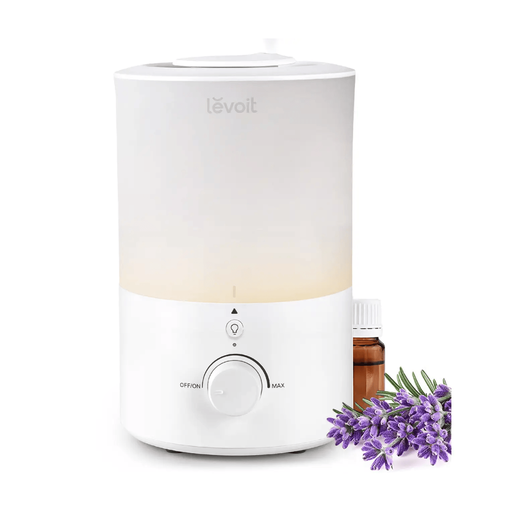
Why it suits this profile: This compact model is designed for bedrooms and smaller living spaces. According to the product information, it has a 3-litre tank, a stated runtime of up to 25 hours and simple button controls.
The 3-litre capacity means you do not need to buy a large device for a small room. Automatic shut-off when the tank is empty or removed is also listed.
Ultrasonic cool mist, 25 dB according to the product specification, top-fill design, night light and aroma function according to the product description.
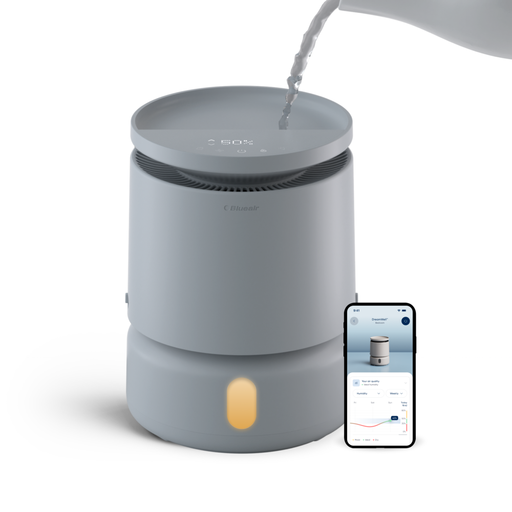
Why it suits this profile: The combination of app controls, scheduling, top-fill design and an invisible mist suits users who prioritise comfort and easy maintenance.
The manufacturer states that the filter is machine-washable and the tank is dishwasher-safe. Before use, check the latest manual for the recommended maintenance intervals.
According to the product information: up to 48 hours of use, 20 dBA, app and voice control, aroma stone and coverage of up to 55 m².
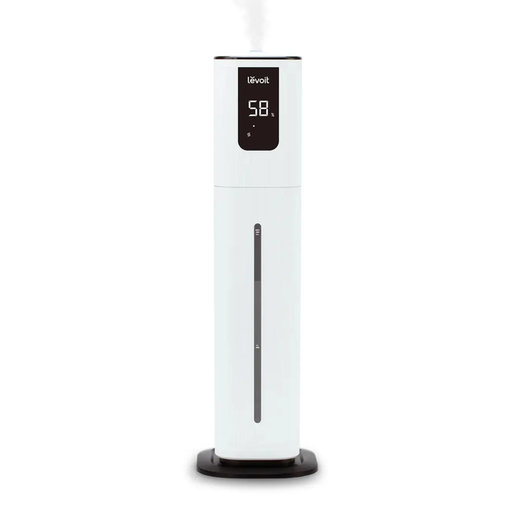
Why it suits this profile: For large living spaces, extended use or remote control, this model offers a generous tank and several control options.
The automatic mode is designed to help maintain the set humidity level. The wide top-fill opening makes filling and cleaning easier, according to the product information.
10-litre tank, stated coverage of up to 55 m², maximum output of 350 ml/h, 28 dB and control via VeSync, Alexa and Google Assistant.
We have put together a complete, up-to-date list of products that fully meet these strict selection criteria and the applicable European safety regulations.
This varies by model and intensity of use. Product manuals often recommend changing the water regularly and cleaning the tank at least once a week. Some product information specifies a shorter interval for changing the water. Do not leave old water standing for long periods, and dry all components thoroughly when you are not using the device.
It can be, as long as the noise level and sleep mode suit your circumstances. Pay attention to placement too: do not put the device directly next to your bed, on an unprotected wooden surface or close to electronics. A humidifier with a timer and automatic shut-off prevents it from running unnecessarily.
Consumption depends on the power rating, the selected setting and the length of use. A 25-watt device uses less electricity when operated continuously than a model running on a higher warm-mist setting. Multiply the power in kilowatts by the number of hours used and your energy tariff. A timer or automatic humidity control can help tailor usage to your actual needs.
