
Vandaag of morgen in huis

Kwaliteit gegarandeerd

Welkomstaanbiedingen ontgrendelen: GRATIS bezorging | Tot 80% korting | Gratis 30 dagen JoyPlus-proefperiode
Download de app
Clogged pores, blackheads and a shiny T-zone don’t automatically call for an aggressive scrub. When your goal is to clean pores, it’s easy to fall into the same purchasing traps. A product might be labelled “deep cleansing”, for example, when it’s really just a heavily foaming formula. Likewise, a temporarily smooth complexion can be mistaken for a permanently refined skin texture.
As a Joybuy Product Recommendation Officer, I filter product information based on practical points: ingredients, frequency of use, skin type and warnings. This way, you can better compare marketing claims against verifiable specifications.
After using a cleansing foam, your skin might feel tight. That doesn’t automatically mean excess sebum or dirt has been removed more effectively. An overly degreasing cleanser can be uncomfortable, especially for sensitive or combination skin. So pay attention to the recommended frequency of use, and stop if you experience redness, itching or a burning sensation.
Pores can appear larger due to sebum, make-up residue or dehydrated skin. A cleanser can remove dirt and excess oil, making the skin look temporarily smoother. However, no product can make pores permanently disappear. Be wary of absolute promises such as “pore-closing” or “pore-eliminating”.
Combining a salicylic acid cleanser with a scrub, pore strips and an exfoliating liquid can unnecessarily stress your skin. For sensitive skin in particular, it’s wiser to introduce one new product at a time. Always check the label and the brand’s warnings as well.
Choose the product based on the time of day and your goal:
A salicylic acid cleanser contains an ingredient often used in products for oily or blemish-prone skin. In the product information for NIVEA DERMA Skin Clear, salicylic acid and niacinamide are listed. According to the packaging, the gel is fragrance-free and intended for skin with imperfections.
Salicylic acid can make your skin more sensitive to sunlight. Therefore, use a sunscreen product during the day and follow the warnings on the packaging. If irritation occurs, stop using the product.
For sensitive or dry skin, a milder, fragrance-free formula may be more suitable. The product information for Curel Deep Cleansing Foam mentions a fragrance-free formula and ceramides. Always check the current ingredients list on the packaging, as formulations can change.
Pay attention to the quantity and frequency of use. A 150 ml product for daily use has a different practical value than a 50 ml treatment you apply less often. Also look at:
A pore cleanser also works best within a simple routine. Wash your face with lukewarm water, massage without scrubbing hard, and then apply a suitable moisturiser.
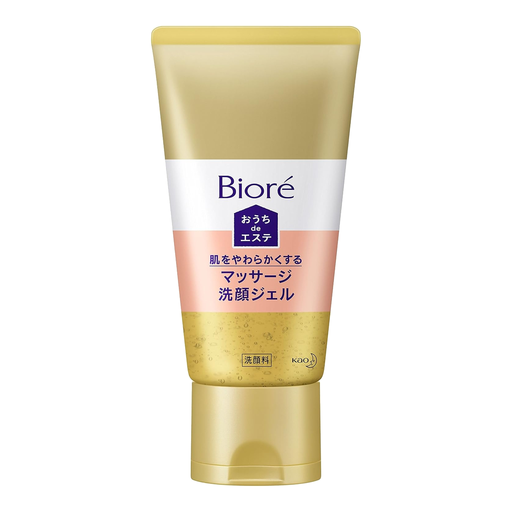
Why this suits the profile: The foam formula and 150 g size make this a simple entry point for anyone looking for a daily cleanser for oily or combination skin. According to the product information, the formula is intended for daily use.
The product description mentions cleansing dirt, oil and impurities, but does not promise permanently smaller pores. Use a small amount and rinse thoroughly.
150 g size; gentle foam texture; according to the product information, suitable for all skin types, with an emphasis on oily and combination skin.
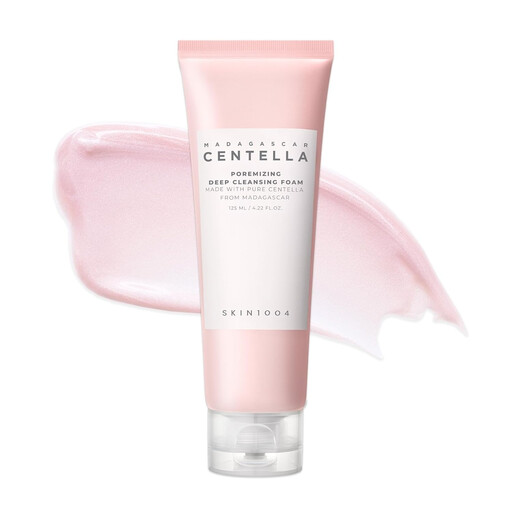
Why this suits the profile: This Korean facial cleanser is interesting for users who pay attention to the combination of foam, Himalayan salt, kaolin and Centella Asiatica as listed in the product information.
The specifications include clear instructions for use with wet hands and lukewarm water. This helps avoid harsh scrubbing. Check the ingredients if you have sensitive skin.
125 ml size; dense foam texture; product information mentions use for make-up, sebum and impurities.
We’ve put together a full, up-to-date list of products that fully meet these strict selection criteria and comply with current European safety regulations.
A mild facial cleanser can usually be used once or twice a day if the label allows. Scrubs, acids and bubble cleansers often require a lower frequency. NIVEA DERMA Skin Clear Face Scrub, for example, states a maximum of two to three times per week.
Pore strips can remove surface residue and sebum from the nose. The effect is local and temporary. NIVEA Purifying Clearup Strips are intended for the T-zone and contain citric acid according to the product information. Do not use them on damaged or irritated skin.
The cost depends on the number of steps. Start with one cleanser. Only add a cleansing oil, pad or exfoliant when you have a specific purpose for it. This way, you avoid duplicate products and reduce the risk of irritation from too many active formulas.
