
Vandaag of morgen in huis

Kwaliteit gegarandeerd

Welkomstaanbiedingen ontgrendelen: GRATIS bezorging | Tot 80% korting | Gratis 30 dagen JoyPlus-proefperiode
Download de app
Wireless earbuds are convenient for listening to music, making calls, travelling and exercising. However, the difference between a model that suits you and an expensive mistake is often much greater than the product photo suggests. A long list of features, for example, means little if the fit is poor or if a water-resistant model turns out not to be suitable for swimming.
So pay particular attention to these three common pitfalls:
An in-ear model partially seals the ear canal, which can provide stronger noise isolation from your surroundings. This is practical on the train or in the office, but less suitable if you need to remain aware of traffic while cycling or running.
Open-ear earbuds and models with an ear hook leave the ear canal open. They are worth considering for sport and commuting, as they allow you to stay more aware of your surroundings. A clip-on model may also put less pressure on your ears than traditional in-ear Bluetooth earbuds. Bear in mind, though, that an open design generally provides a different listening experience from noise-cancelling earbuds.
The IP rating indicates how much protection a product offers against water and dust. In practice:
Chlorine, salt water and prolonged exposure can affect materials and charging contacts. If you swim regularly, it is better to look for sports earbuds with internal MP3 storage. Bluetooth does not work reliably underwater.
Bluetooth 5.3 or Bluetooth 5.4 provides a modern connection, but actual stability also depends on your phone, distance and surroundings. Also look at:
A model with a microphone is not automatically ideal for meetings. Wind, traffic and an open design can affect speech clarity. With AI earbuds or translation features, you should also check whether an app, internet connection or compatible phone is required. According to brands’ own product information, features may vary by app and device, so treat such claims as product specifications rather than guaranteed results in every situation.
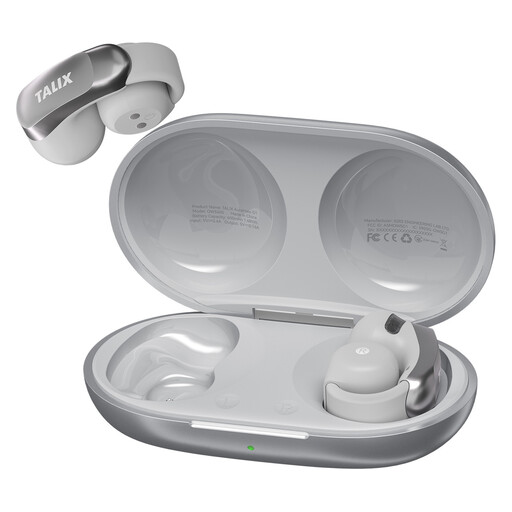
Why it suits this profile: The clip-on design with ear hook is aimed at everyday use, travelling, the office and light workouts. According to the product description, each earbud weighs 5.2 grams and the case provides up to 28 hours of total use.
The product information states both approximately 7 hours per charge and 28 hours with the case. The IPX4 rating clearly defines the limit when it comes to swimming: suitable for sweat and light rain, but not for submersion.
Bluetooth 5.3, four microphones, quick charging and a silicone ear hook.
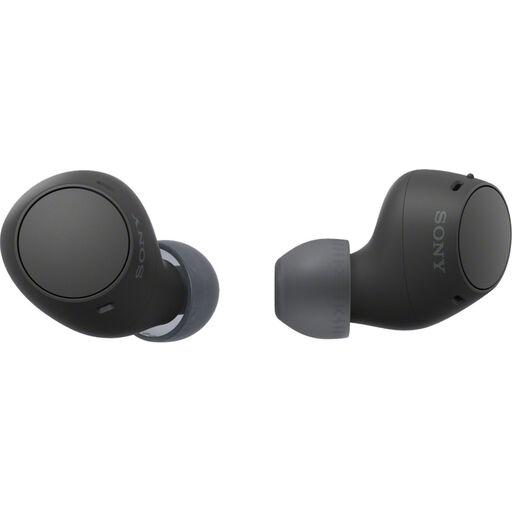
Why it suits this profile: This in-ear model is designed for music, studying and everyday commuting. The product details list multipoint, an equaliser in the Sony app and a weight of 4.6 grams per earbud.
The stated 22 hours includes the case. IPX4 limits use to splashes and sweat, preventing confusion with waterproof earbuds designed for swimming.
Bluetooth 5.3, multipoint, a USB-C case, AAC and SBC codecs, and Ambient Sound Mode according to the product information.
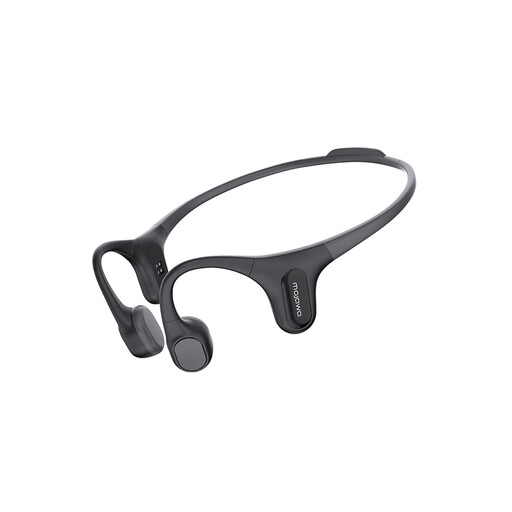
Why it suits this profile: This open-ear model with bone conduction design is intended for running, cycling, fitness and swimming. According to the product information, it has 32 GB of internal storage and IP68 water resistance.
Internal MP3 storage means you do not rely on Bluetooth while swimming. Rinse with fresh water after exposure to salt water or chlorine, and only charge once the magnetic connection is dry.
Open-ear design, 32 GB of storage and an IP68 rating according to the supplied product specifications.
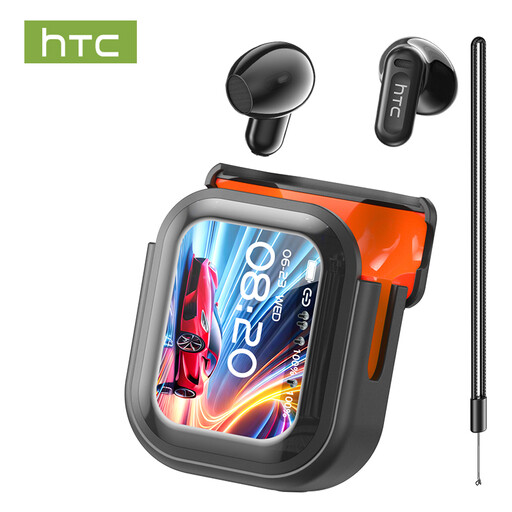
Why it suits this profile: This model combines a built-in microphone, touch controls and an LED display on the case. The product description mentions translation features through a compatible app, as well as use in the office, for studying and during conversations.
The translation feature is not presented as a standalone system: according to the instructions, a compatible mobile app may be required. Check this before buying to make sure it works with your phone.
Bluetooth 5.4, LED charging indicator, TWS touch controls and built-in microphone according to the product information.
We have put together a complete, up-to-date list of products that fully meet these strict selection criteria and the applicable European safety regulations.
First, charge the earbuds and case. Then open your phone’s Bluetooth settings, remove the earbuds from the case or activate pairing mode, and select the correct product name. If the connection does not work, remove the previous pairing and try again. Also check whether the accompanying app is required for additional features.
Playback time per charge varies depending on the model and volume. Total battery life is usually longer when the charging case is included. Battery life decreases over time. Store the earbuds in the case, avoid extreme heat and do not charge them when the contacts are damp.
Only if the product specifications clearly support it. IPX4 earbuds are not suitable for swimming. Bone conduction headphones with internal storage and a higher IP rating are more practical for this purpose, but always follow the instructions. Do not use a Bluetooth connection if the model has no internal storage or swimming mode for use underwater.
