
当日/次日达

品质保障

开启新人专享福利: 全场免邮 | 低至 2 折 | 免费试用 30 天 JoyPlus 会员
下载 Joybuy
Buying toilet paper seems simple – until you’re standing in front of a shelf or scrolling through a long online product list. A pack with lots of rolls can work out more expensive per sheet, while a thick paper doesn’t automatically last longer. Terms like “extra soft”, “eco” and “strong” give only a limited picture without technical details.
The main pitfalls to watch out for are:
The terms 3-ply toilet paper, 4-ply toilet paper or 5-ply toilet paper refer to the number of paper layers in a sheet. More layers can give a thicker feel and reduce tearing, but they can also mean you need to flush smaller amounts.
The weight per roll helps when comparing packs. Examples from the range:
Bear in mind: weight isn’t a direct measure of the number of sheets. So also check the number of sheets, the sheet size and the length per roll when this information is available.
If you’re looking for soft toilet paper, look at the number of ply, embossed textures and the description of the paper texture. Products from Page, for example, use an air-cushion or 3D structure according to the product description. That’s a product specification, not a guarantee that every user will experience the paper the same way.
For strong toilet paper, the number of ply, paper density and tear resistance are relevant points to consider. A thicker sheet can feel sturdy, but it isn’t always suitable for flushing large amounts at once.
Unscented toilet paper is a practical choice for households that don’t want any fragrance on the paper. The C&S variants in this selection state 100% virgin wood pulp and an unscented design. Selpak also has scented variants. So always check the scent information, especially when several variants of the same brand are listed side by side.
A bulk pack of toilet paper or family pack of toilet paper is handy for families, but compare the total quantity with your storage space at home. Store toilet rolls in a dry place away from direct sunlight. A damp cupboard can affect the packaging and the paper quality.
For an environmentally conscious choice, you can look for FSC toilet paper. An FSC mark means that, according to the certification body’s information, the product comes from certified or controlled sources. Check the FSC label on the product page or packaging; don’t use “eco” as a substitute for a verifiable certification mark.
With bamboo toilet paper, the material is an important distinction. The ochama variant states 100% unbleached bamboo pulp and FSC certification. According to the product description, the paper has a light bamboo scent. The mention of natural antibacterial properties is a claim from the brand’s product information and should not be read as a medical or health claim.
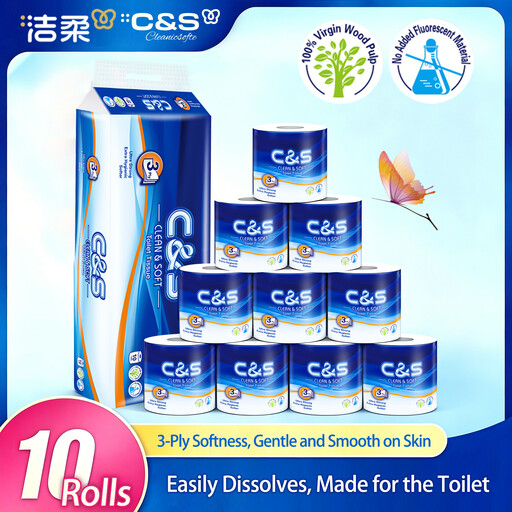
Why this fits the profile: A straightforward pack for anyone who needs toilet paper every day without buying a huge stock straight away.
The number of ply, weight per roll and number of rolls are clearly stated. So you don’t have to rely only on marketing terms like “soft” or “economical”.
3 ply, 140 grams per roll, 10 rolls and, according to the product information, unscented.
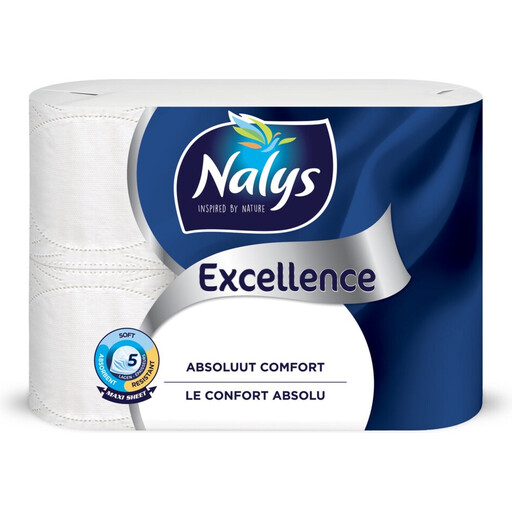
Why this fits the profile: For anyone who values a thick, comfortable sheet more than a large number of rolls per pack.
The product description mentions 5 soft layers and larger sheets. Do check the price per roll and the number of sheets before comparing.
5 ply, larger sheets according to the product information and paper packaging.
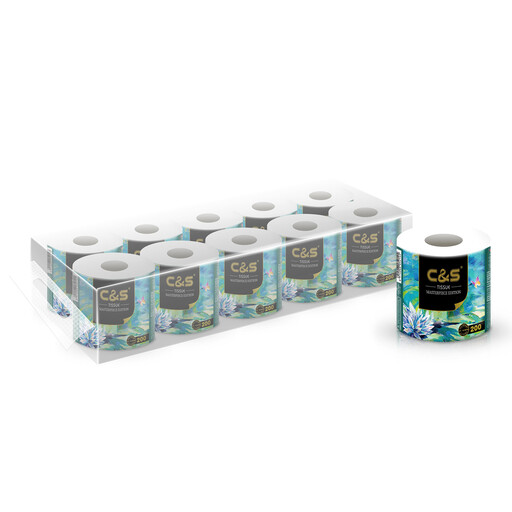
Why this fits the profile: For households looking for a thicker, 4-ply paper for regular, heavy daily use.
The specifications state 4 ply, 200 grams per roll and an unscented composition. Because of the thickness, it’s wise to flush small amounts.
4-ply design, 200 grams per roll, 10 rolls and, according to the product information, no added fragrances.
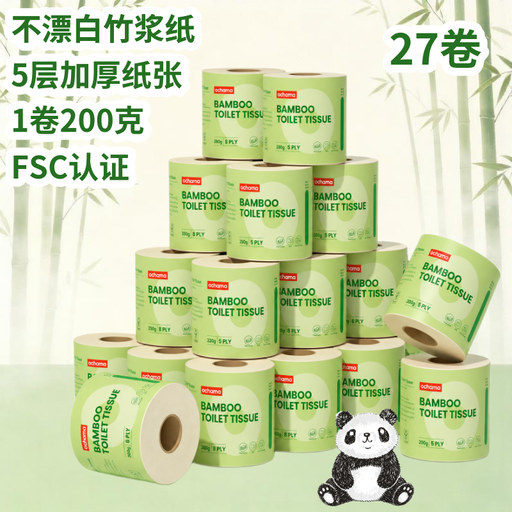
Why this fits the profile: A family looking for a large pack and wanting to consider bamboo pulp and an FSC mark in their purchasing decision.
The material type, number of rolls, roll weight and FSC mark are all stated clearly. The light bamboo scent is not the same as unscented.
5 ply, 27 rolls of 200 grams, unbleached bamboo pulp and FSC-certified according to the product information.
We’ve put together a full, up-to-date list of products that fully meet these strict selection criteria and comply with current European safety regulations.
Moist toilet paper can be used alongside dry toilet paper. However, products differ in scent, material, packaging and flushing instructions. Page Moist Toilet Wipes states natural fibres, recyclable packaging and an INDA/EDANA reference for flushability. Selpak Wet Adult states a resealable pack, 42 wipes and a fragrance-free variant.
The same applies to wipes: only flush if the packaging allows it and if your drainage system can handle it. Use small amounts and, if in doubt, dispose of wipes in the bin. “Biodegradable” doesn’t automatically mean that every sewage system can process unlimited amounts without problems.
The price per roll is a starting point, but it’s not always enough. Divide the total price by the number of rolls and then, if stated, compare the number of sheets and the sheet surface area. A large pack is only good value when the amount of paper and your usage suit your household.
Not always. More ply can make the structure thicker, but strength also depends on the paper fibres and the bond between the layers. So compare 3-ply, 4-ply and 5-ply toilet paper based on the full product description. With thick paper, it’s also important to flush carefully.
Unopened toilet paper generally remains usable as long as it stays dry, clean and well packaged. Don’t store toilet rolls directly on a damp floor or next to a leaking pipe. For products with specific shelf-life information, check the date and instructions on the packaging.
