
Vandaag of morgen in huis

Kwaliteit gegarandeerd

Welkomstaanbiedingen ontgrendelen: GRATIS bezorging | Tot 80% korting | Gratis 30 dagen JoyPlus-proefperiode
Download de app
Sunglasses should do more than simply look good. In the Netherlands, bright sunshine, cloud cover, wind and rain can swap places quickly. That means a pair that feels great on a terrace may be less suitable when you’re driving or cycling.
The biggest buying mistakes usually come from three familiar pitfalls:
UV400 refers to protection against ultraviolet light up to a wavelength of 400 nanometres. According to the product information for several models in this selection, UV400 protection is listed, but always check the exact model’s specifications before you order.
A dark lens is no substitute for UV protection. Also heed warnings: ordinary sunglasses are not intended for looking directly at the sun, watching eclipses, welding or laser work.
For everyday wear, travel and driving, clear and even rendering is important. Lenses that are too dark can limit your view in tunnels, multi-storey car parks or during changeable weather.
A polarised pair of sunglasses is designed to filter certain horizontal reflections. That can be useful on:
According to the product description of the Revoray Y1 cycling glasses, the HD TAC polarised lenses filter glare and have a visible light transmission of about 15.2%. That’s a verifiable specification, but suitability depends on your conditions.
For sunglasses for driving, it’s wise to check how the lenses interact with your dashboard, sat nav and other displays. A polarised lens can affect the readability of some screens. Photochromic lenses also aren’t always the most practical choice in the car: according to OutdoorMaster’s product information, the tint change behind a windscreen can be limited because glass blocks part of the UV light.
A lightweight pair of sunglasses is pleasant for prolonged wear, but weight alone doesn’t determine comfort. Also look at:
TR90 is used in several sports models. In product descriptions, this thermoplastic material is known for being flexible and light. The Revoray X3 weighs about 30 grams according to the specifications; the Revoray Y1 about 33 grams. Those are useful comparison points for cycling and other outdoor activities.
Your everyday sunglasses don’t need the same features as cycling glasses. Think in advance about where you’ll wear them most:
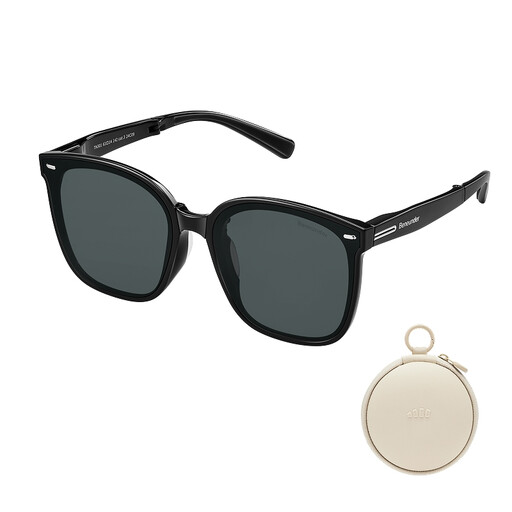
Why this suits the profile: This model combines an everyday frame with a compact design for travel, commuting and in-car use.
The product description lists UV400, an anti-reflective coating and a folding design. So you don’t have to choose between portability and the stated lens features.
TR90 frame, about 26 grams and roughly 35 mm thick when folded; nylon lenses with UV400 protection according to the product information.
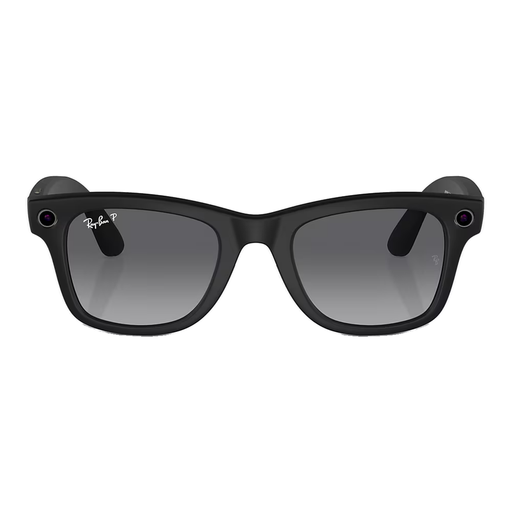
Why this suits the profile: For anyone who wants a recognisable frame combined with hands-free functions, audio and image capture.
The choice here isn’t just about looks: the listing specifies concrete features, compatibility with iOS 14.4 and Android 10 or higher, Bluetooth 5.2 and a required Meta AI app.
According to the product information: 12 MP camera, open-ear speakers, voice control and up to four hours of battery life plus a charging case.
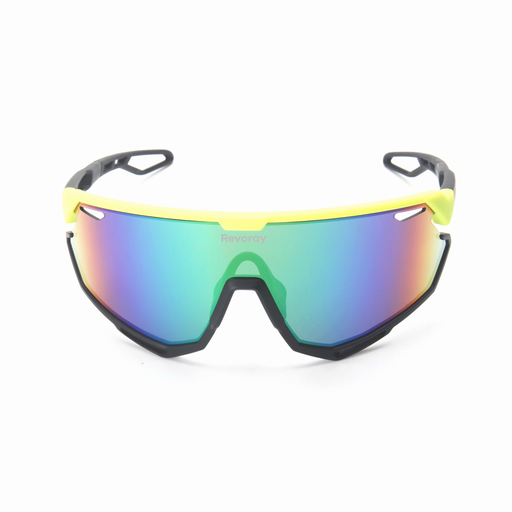
Why this suits the profile: A practical choice for road cycling, mountain biking and other activities where a stable fit and glare control are needed.
The listing notes adjustable silicone nose pads, anti-slip details and a weight of around 33 grams. That addresses common issues during movement.
TAC polarised lenses, UV400 according to the product information and a note of ANSI Z87.1 performance tests; water- and oil-repellent coating.

Why this suits the profile: This model is aimed at outdoor use in varying light levels, for example while cycling or running.
The product information mentions both photochromic and polarised lenses. Do check in advance that you’ll mainly use the model outdoors, as tint change in the car can be limited.
TR90 frame, polycarbonate lenses, weight of about 26 to 29 grams and tint adjustment from category 0 to 3 according to the listing.
We’ve compiled a complete, up-to-date list of products that fully meet these strict selection criteria and comply with current European safety regulations.
UV400 is an important specification, but check that this protection is actually stated in the product information. Also pay attention to fit, lens category and warnings. Sunglasses with UV400 are not intended for looking directly at the sun or working with high-intensity light sources.
They can be, but check the lens colour and the visibility of screens. Polarisation can reduce glare on wet roads, while some displays may be harder to view. Ideally, test whether your sat nav and dashboard information remain easy to read.
Lifespan depends on hinges, coatings, storage and use. Replace your pair as soon as the lenses are severely scratched or damaged. Store them in a case, clean with water and a soft microfibre cloth, and avoid alcohol or harsh cleaners where the product information advises against them.
