
Vandaag of morgen in huis

Kwaliteit gegarandeerd

Welkomstaanbiedingen ontgrendelen: GRATIS bezorging | Tot 80% korting | Gratis 30 dagen JoyPlus-proefperiode
Download de app
Sunglasses should do more than complement your outfit. In the Netherlands, bright sunshine, cloud cover and rain can quickly follow one another. A pair that feels comfortable on a sunny terrace may be too dark when driving. Sports sunglasses that stay firmly in place while cycling can be awkward to pack when you are travelling.
The biggest purchasing mistakes usually come down to three pitfalls:
By checking the right points, you can make a more informed choice between classic sunglasses, folding sunglasses, sports sunglasses, ski goggles or smart glasses.
Look for a clear mention of UV400 protection. According to the product information for several models in this range, this means that the lenses filter UV radiation up to 400 nanometres. Manufacturers sometimes also state a percentage, such as “≥99.8%” or “≥99.9%”. Treat these figures as the brand’s product specifications and always check the full product information.
Sunglasses with UV400 protection are suitable for everyday use in town, while travelling or during outdoor activities. For driving, good light transmission is also important. A lens that is too dark may be less practical in tunnels, at dusk or in changeable weather.
Polarised sunglasses can reduce distracting reflections from wet roads, water and snow. This can be useful when cycling, fishing, boating or driving. However, polarisation does not automatically make glasses suitable for every situation. Also check the VLT rating, meaning the amount of visible light that passes through the lens.
With sports sunglasses, a lens-change system can therefore be more valuable than a single very dark lens.
Lightweight sunglasses put less pressure on your nose and temples, especially when you wear them for several hours. TR90 is a flexible plastic material used in several models. The manufacturer’s product description describes this material as lightweight and shape-retaining; the actual fit still depends on the shape of your head and the frame dimensions.
A folding model is useful for travelling and carrying with you every day. Check:
With hinged glasses, it is important to open and close them carefully. Store them in a case and clean the lenses with a soft microfibre cloth.
Ordinary sunglasses are suitable for everyday use, walking and holidays. If you spend a lot of time on the move, you could choose sunglasses for travelling with a compact folding mechanism. For cycling, golf, running or boating, a secure fit, impact-resistant lenses and, where relevant, a clear spare lens are important considerations.
Winter sports call for different features. Ski goggles should fit closely to your face, provide ventilation and be compatible with a helmet. If you wear prescription glasses, look for an OTG design, meaning “over the glasses”.
Smart glasses or AI glasses are a separate product category. With these, check not only the frame but also battery life, app support, privacy, water resistance and whether prescription lenses are included. Display functions must not distract you when driving or operating machinery.
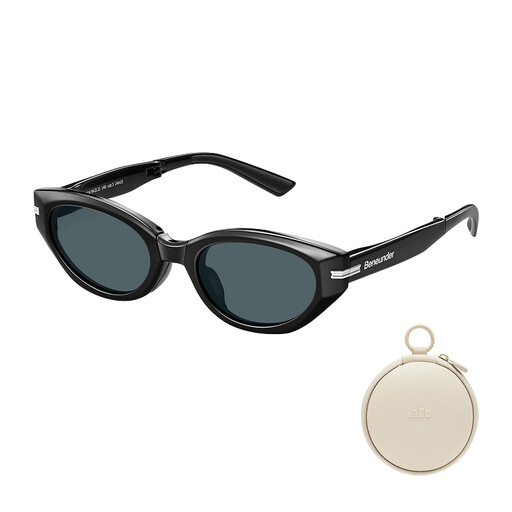
Why it suits this profile: This black cat-eye model combines a distinctive shape with a compact folding design for everyday use, commuting and short trips.
The product listing mentions UV400 protection, an anti-reflection coating and soft nose and temple supports. This means you do not have to judge the glasses by their shape alone.
TR90 frame, folding construction and a frame width of 5.8 inches according to the product specifications.
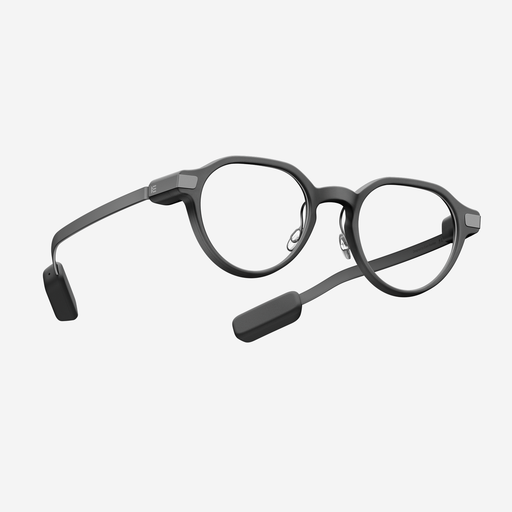
Why it suits this profile: These camera-free smart glasses are designed for users who want to use navigation, notifications, translations and AI functions discreetly.
The product information states that there is no camera, making the privacy aspect clearer than with models whose core function includes image recording. However, check the app and AI requirements.
Weight of 36 grams, Micro-LED display and, according to the product information, battery life of up to two days with normal use.
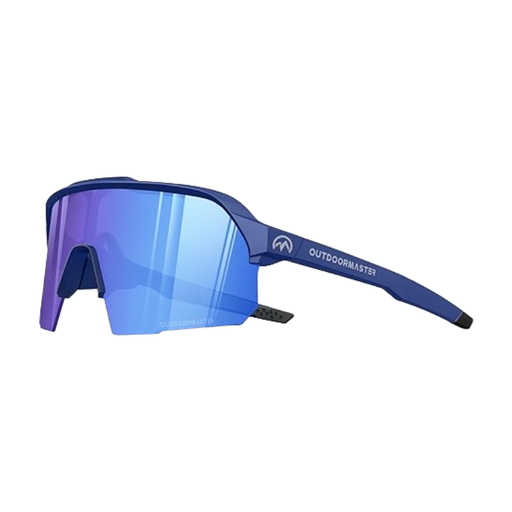
Why it suits this profile: This model is designed for cycling, golf, boating, fishing and driving, where a secure fit and reduced glare can make a difference.
According to the product description, the set includes an interchangeable clear lens. This makes the model more useful in overcast weather than sports glasses with just one dark lens.
TR90 frame, polarised lens, VLT 18% and a supplied clear spare lens according to the product specifications.
We have compiled a complete, up-to-date list of products that fully meet these strict selection criteria and the applicable European safety regulations.
Not automatically. UV400 tells you about UV filtering, but not how much visible light the lens allows through. For driving, you need glasses that allow you to see road signs, other road users and changes in light clearly. So also pay attention to lens colour, VLT and any warnings from the manufacturer.
This depends on the material, use and maintenance. A frame may last longer if you do not leave it on the dashboard, place it lens-side down or store it without a protective case. Replace your sunglasses when the lenses have deep scratches, cracks or damaged coating.
They can reduce reflections from water, wet roads and snow. This is especially useful during outdoor activities and sunny drives. A polarised lens is less suitable in low light; in changeable conditions, consider a model with interchangeable lenses.
