
Vandaag of morgen in huis

Kwaliteit gegarandeerd

Welkomstaanbiedingen ontgrendelen: GRATIS bezorging | Tot 80% korting | Gratis 30 dagen JoyPlus-proefperiode
Download de app
A pair of sneakers can look appealing online yet disappoint as soon as you wear them to school, the office, the gym or outdoors. Photos mainly show the style; important details such as width, sole and fastening are often further down the product page. As a result, you may end up buying casual sneakers with too little grip, or sports shoes that are not suited to your activity.
Pay particular attention to these common pitfalls:
Measure your foot at the end of the day, when your feet take up slightly more space. Place your heel against a wall and measure to the longest point of your foot. Compare this figure with the model’s size chart, rather than relying only on a previous purchase.
Also consider:
Mesh sneakers generally allow more air to circulate and are well suited to everyday wear or light exercise. They are less easy to clean than smooth synthetic material. Leather sneakers can offer a more structured look and feel, but they are not automatically waterproof.
Materials you may come across include:
The sole partly determines how a sneaker feels and which surfaces it is suitable for. A rubber outsole can provide grip, but the tread and composition remain important. For indoor training, non-marking soles are relevant because they should not leave marks on the floor.
Choose according to your activity:
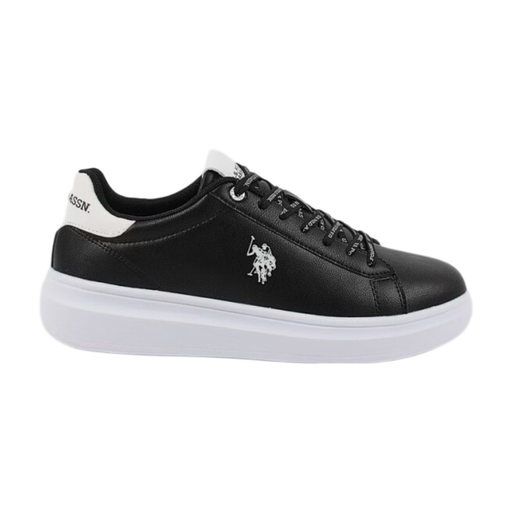
Why it suits this profile: A black casual sneaker with laces for everyday wear and easy pairing with jeans or casual clothing.
The product information specifies a standard width, rubber sole and synthetic leather upper with mesh. This shows you in advance what the choice is based on.
Black colour, lace fastening, lightly padded insole and rubber outsole.
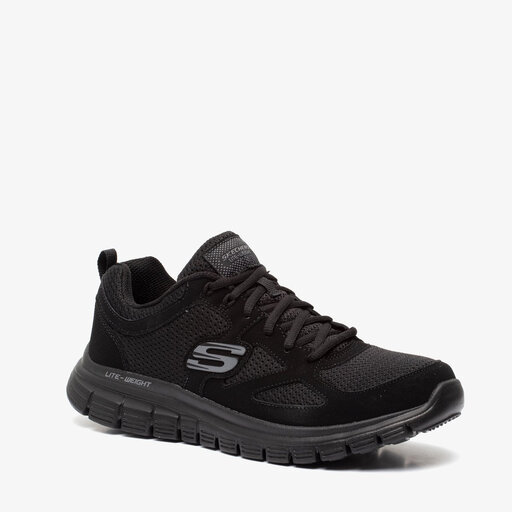
Why it suits this profile: For anyone looking for an everyday men’s sneaker with mesh panels, a standard fit and an insole with Memory Foam, according to the product description.
The product page clearly states the standard fit, D width, rubber sole and non-removable footbed.
Flexible rubber outsole, mesh panels and heel loop alongside the lace fastening.

Why it suits this profile: Designed for indoor sports where quick movements, a secure fit and grip on indoor surfaces are important.
This model is described as an indoor sports shoe and has a non-marking rubber sole with a multidirectional tread.
Lightweight construction, mesh and synthetic upper, reinforced toe and heel, and size 47.5.
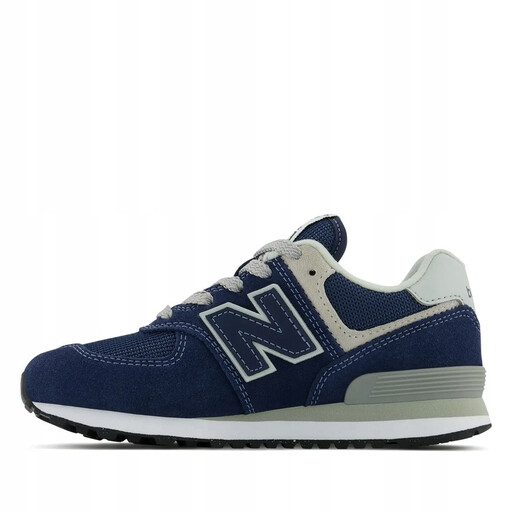
Why it suits this profile: A children’s sneaker for school, play and everyday use, with Velcro fastening for independent putting on and taking off.
The description specifies a rubber tread sole, standard fit and Velcro fastening instead of making only general comfort claims.
Suede, synthetic materials and mesh; EVA midsole and rubber tread sole.
We have put together a complete, up-to-date list of products that fully meet these strict selection criteria and the applicable European safety regulations.
The lifespan of sneakers depends on how they are used, their materials and how they are cared for. Where possible, alternate a pair worn every day with a second pair so that moisture and heat can evaporate. Clean stains with a soft cloth and mild soapy water, unless the care label states otherwise.
Follow these basic rules:
It varies by brand and model. Use the EU size as a starting point, but compare it with the foot length in centimetres and the stated fit. If you are unsure, the size chart and returns policy are more important than the advice for another pair.
Casual sneakers are primarily designed for everyday use and style. Running shoes are made for repeated running movements and often have a different midsole, fit and sole construction. So do not automatically use a casual model for long running sessions.
Replace them when the sole is visibly worn, the fit has changed or the upper no longer provides adequate support. Sneakers worn every day wear out faster than those rotated between pairs. Look at the condition of the shoe rather than the purchase date alone.
