
Vandaag of morgen in huis

Kwaliteit gegarandeerd

Welkomstaanbiedingen ontgrendelen: GRATIS bezorging | Tot 80% korting | Gratis 30 dagen JoyPlus-proefperiode
Download de app
Dry hair, frizzy lengths or a dull appearance don’t automatically call for the same shampoo. Yet many shoppers choose based on eye-catching packaging, a promise like “intensive repair” or an appealing ingredient on the front. That can lead to a product that smells nice but doesn’t really suit your hair type or washing routine.
As a Joybuy Product Recommendation Officer, I focus on verifiable information: hair type, volume, ingredients list, frequency of use and the product description. That way, you compare shampoos on practical points rather than marketing speak.
A shampoo with argan oil, keratin or aloe vera sounds targeted, but the overall formula determines how the product feels. So always check the full ingredients list on the packaging. A shampoo with argan oil might, for example, be suitable for dry or frizzy hair, but a fine hair type could find a rich formula too heavy.
You should also treat claims about keratin, proteins or glycolic acid as the brand’s product information. According to the brand’s product description, L’Oréal Elvive Glycolic Gloss Shampoo contains glycolic acid and is sulphate-free. That doesn’t automatically mean every hair type will react the same way.
A repairing shampoo can make hair feel smoother, softer or more manageable, according to the product description. However, shampoo is rinsed out and doesn’t replace a haircut or professional treatment. For chemically treated, bleached or frequently styled hair, a conditioner or mask can be a useful addition.
Also pay attention to how claims are worded. A brand claim like “less hair breakage” isn’t a universal result. Use such information as a guide and also compare ingredients, volume and usage advice.
Compare the price per 100 ml, not just the price of the bottle. A 385 ml pack can be more economical for daily use, while a smaller bottle is handier for a first try or for travel. With a multi-pack, such as six 250 ml bottles, it’s important to first decide whether the formula really suits your hair.
First, choose your main goal:
For curly hair, fine hair or coloured hair, the desired texture can vary. A heavy oil formula can weigh fine hair down, while dry and coarse hair can tolerate more nourishment.
A sulphate-free shampoo uses different cleansing agents than a formula containing, for example, sodium laureth sulphate. Sulphate-free isn’t automatically better or gentler for everyone. It can be of interest to people who want a mild cleanse or find that their hair feels dry quickly. If you use a lot of styling products, you may actually need a more thorough cleanse.
Always check the current ingredients list on the packaging. Brands can change their formulas. This is especially relevant for products with claims like silicone-free, paraben-free or sulphate-free.
A shampoo for daily use should primarily suit your scalp and washing frequency. If you wash your hair several times a week, a lighter formula can be more pleasant. For dry hair, washing less often and using conditioner can help keep the lengths comfortable.
Look out for:
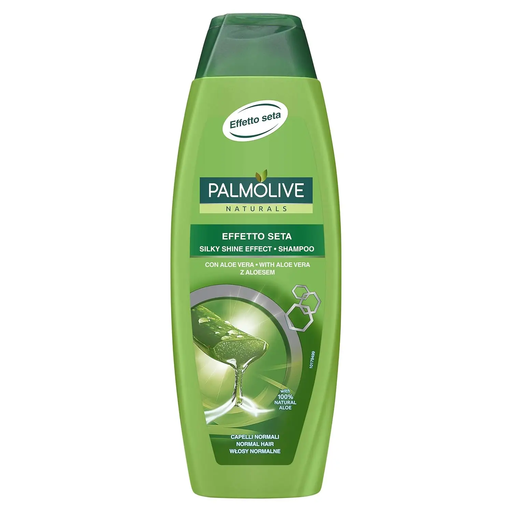
Why this fits the profile: A straightforward option for anyone looking for a shampoo for daily or frequent use, without committing to a large stock straight away.
The product information states 350 ml and suitability for frequent use. This lets you check the volume and intended purpose in advance.
Aloe vera as a named ingredient, 350 ml volume and usage advice for wet hair.
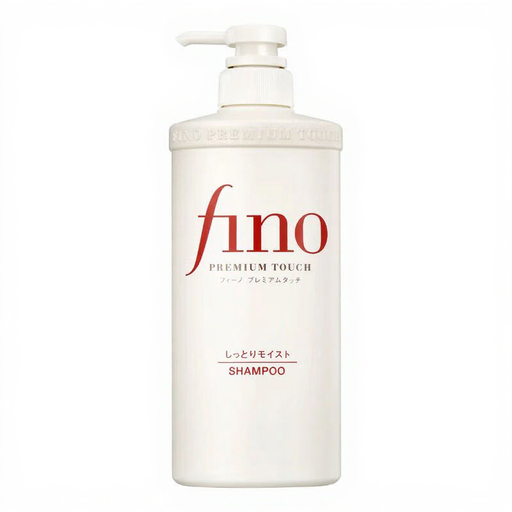
Why this fits the profile: The 550 ml pack suits users who wash regularly and want a larger supply for their routine.
The product page lists specific ingredients such as royal jelly extract, PCA and squalane. Check the current packaging for the full composition.
550 ml volume, pump dispenser according to the product details and a formula designed for all hair types.
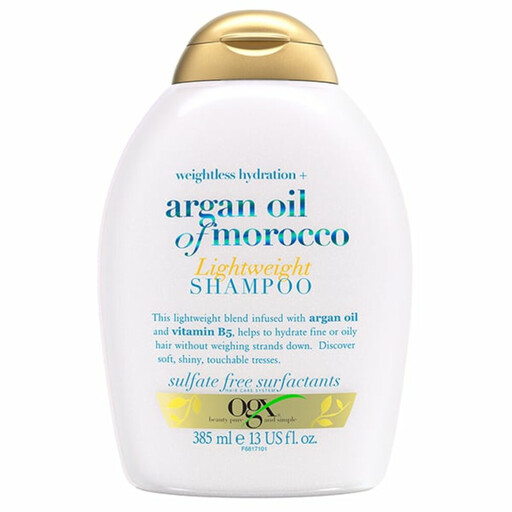
Why this fits the profile: Ideal for anyone wanting to care for dry, dull or damaged hair and consciously looking for a sulphate-free shampoo with argan oil.
The product details explicitly mention a sulphate-free formula and a lightweight texture. This makes the choice more verifiable for fine hair.
385 ml volume, argan oil as a named ingredient and cleansing without sulphate surfactants according to the product information.
We’ve put together a full, up-to-date list of products that fully meet these strict selection criteria and comply with current European safety regulations.
That depends on your scalp, hair type and daily habits. A shampoo for daily use can be practical for an oily scalp or lots of exercise, but dry or curly hair sometimes benefits from washing less often. Follow the usage advice on the packaging and pay attention to how your hair and scalp react.
No, sulphate-free is a formula choice and not a guarantee of a better result. It can suit people who want a mild cleanse or have dry hair. If you use a lot of oil, wax or styling products, you may need a stronger cleanse. Compare the ingredients list and choose based on your own routine.
Check the packaging for the shelf life and the symbol for the period after opening, often shown as, for example, 12M or 18M. Store the bottle tightly closed, at room temperature and out of direct sunlight. Stop using it if you notice an unpleasant smell, a change in texture or irritation.
