
Vandaag of morgen in huis

Kwaliteit gegarandeerd

Welkomstaanbiedingen ontgrendelen: GRATIS bezorging | Tot 80% korting | Gratis 30 dagen JoyPlus-proefperiode
Download de app
Buying a shampoo seems straightforward – until you have to choose between a hydrating shampoo, a gentle shampoo, a shampoo for damaged hair or a silicone-free formula. Marketing claims often sound appealing, but they don’t always tell you what a product will actually do in your daily routine. By checking your hair type, the ingredients and the bottle size, you can avoid a purchase you’ll regret.
Words like “restorative”, “shiny” and “intensely nourishing” usually describe what a formula aims to do. They are not a guarantee that every hair type will get the same result. According to a brand’s own research or product information, certain effects may have been measured using a complete routine – for example, shampoo and conditioner together.
So look at what is actually stated:
A percentage of ingredients from natural origin doesn’t automatically tell you how gentle a shampoo will feel on your hair or scalp. Even natural fragrances can be less suitable for some people. Always check the full ingredients list and look out for perfume, sulphates, silicones and known allergens if you are sensitive to them.
A 250 ml bottle might look attractively priced, but a 400 ml, 550 ml bottle or a multipack could work out better value if you use it regularly. So compare the price per 100 ml. Also consider a pump bottle, travel size or value pack, depending on where and how often you’ll use the shampoo.
First, choose based on the problem you want to tackle:
If you are looking for a silicone-free shampoo, you need to check the ingredients list rather than just the front of the bottle. Silicones can help create a smooth feel in some formulas, while other shoppers prefer to use a silicone-free shampoo.
A vegan shampoo is not automatically the same as a shampoo without perfume, sulphates or silicones. Check each claim separately. For example, the Garnier Loving Blends Argan & Camellia formula states that it contains no animal-derived ingredients and is silicone-free. Always check the current packaging before buying, because ingredients lists can change.
For a shampoo you use every day, a gentle formula and a sensible bottle size are practical. If you wash your hair often, a larger bottle or multipack could be worth considering. For sport, holidays or hand luggage, a mini or travel size is more convenient.
Keep in mind:
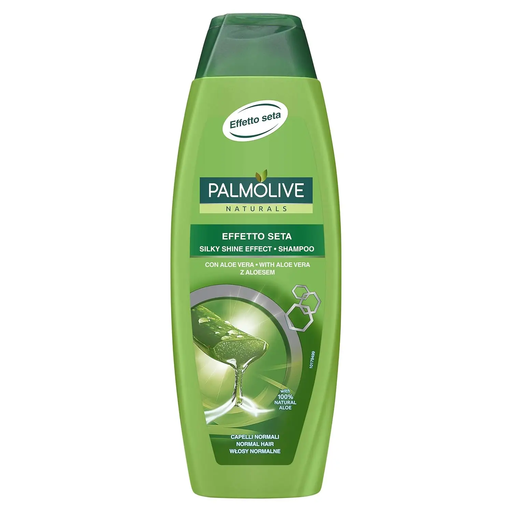
Why this fits the profile: The product description mentions aloe vera, a gentle formula and suitability for frequent washing. The 350 ml size is practical for a regular home routine.
The suitability for frequent use is clearly stated in the product information, so you don’t have to rely on a shine claim alone.
350 ml, aloe vera as a listed ingredient and a product description focused on soft and shiny hair.
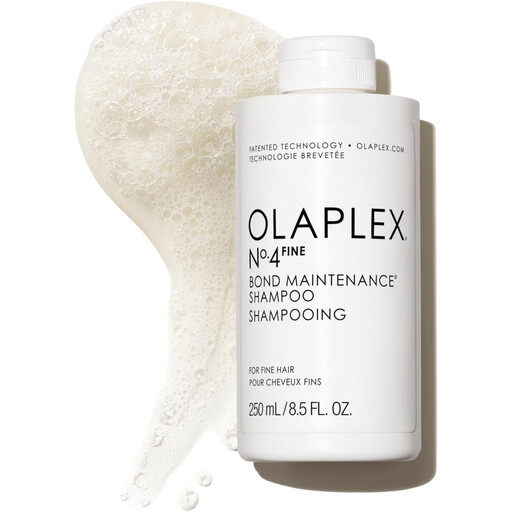
Why this fits the profile: According to the product information, this shampoo is designed for fine hair and coloured or chemically treated hair. The formula is vegan and colour-safe according to the stated product specifications.
The target audience of fine hair is specified. This makes the choice more targeted than a general shampoo with just a volume promise.
250 ml, vegan according to the product information and designed for fine, coloured and chemically treated hair.
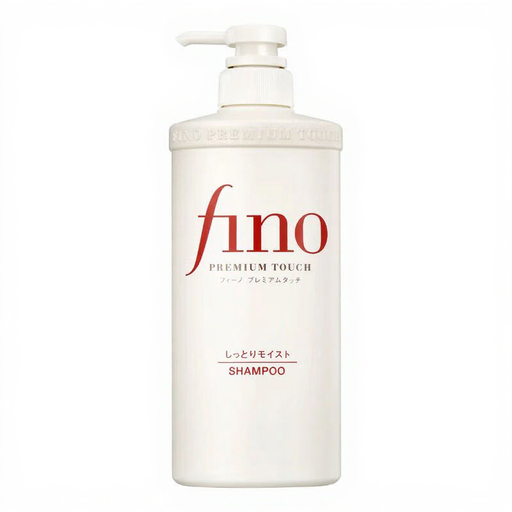
Why this fits the profile: The product information focuses on damaged hair and mentions hydrating, strengthening and caring. The 550 ml pump bottle is ideal for regular use.
The ingredients and application are described in more detail than just a general shine claim. Do check whether perfume and silicones suit your preferences.
550 ml, pump bottle and product information for damaged hair featuring PCA, royal jelly extract and squalane.
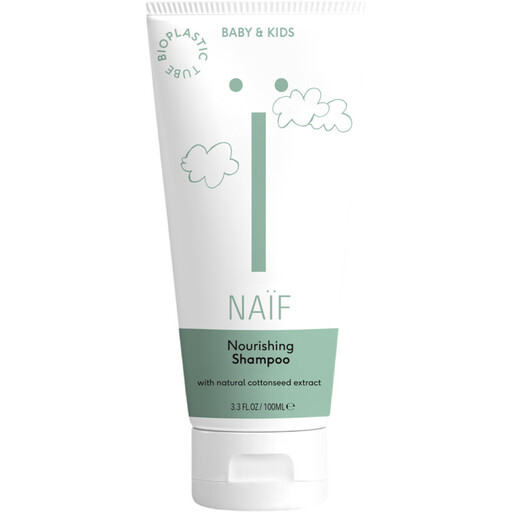
Why this fits the profile: According to the product information, this baby shampoo is developed for babies, toddlers and children, with a formula free from SLS/SLES and parabens.
The age group and usage instructions are clearly described. This prevents an adult shampoo without suitable information from being chosen for a baby.
200 ml, designed for babies and children, with coco-glucoside, glycerine and cotton extract in the listed ingredients.
We’ve put together a full, up-to-date list of products that fully meet these strict selection criteria and comply with current European safety regulations.
Wet your hair and scalp thoroughly before applying a small amount. Massage mainly the scalp and let the foam run through the lengths. Rinse thoroughly. For dry or damaged hair, a conditioner or mask from the same product range can be practical, but it’s not always necessary.
Wash your hair as often as your own routine requires. A shampoo for daily use is described as suitable for frequent application, but you don’t need to wash more often than necessary. Stop if irritation occurs and rinse immediately with water if the product gets into your eyes.
Check the packaging for the expiry date, period after opening or other product information. Store the bottle according to the instructions, usually in a cool, dry place away from direct sunlight. The scent, colour or texture may change; do not use a product if it looks noticeably different.
Choose a formula that is explicitly designed for dry, dull or normal-to-dry hair. Garnier Loving Blends Argan & Camellia and Garnier Loving Blends Grape Moisture are linked in the product information to hydration, softness or shine. Also check whether perfume, silicones and cleansing ingredients suit your preferences.
Not automatically. Compare the price per 100 ml, the recommended amount and the bottle size. A larger bottle or a shampoo offer can be good value, but only if the formula suits your hair type and you will actually use it.
