
Vandaag of morgen in huis

Kwaliteit gegarandeerd

Welkomstaanbiedingen ontgrendelen: GRATIS bezorging | Tot 80% korting | Gratis 30 dagen JoyPlus-proefperiode
Download de app
A self-tanner can give your skin a sun-kissed look in no time, without prolonged exposure to the sun. Yet the results aren’t always what you’d hope for. A colour that’s too dark, patchiness around knees and elbows, or a lotion that stains your clothes are common reasons why a product ends up unused in the cupboard.
The right choice depends on the effect you’re after: do you want a gradual tan, instant bronzed legs, or a product for daily use? Also pay attention to the difference between a self-tanner (without sun), a bronzing cream, and a sunscreen with a bronzing effect. These products don’t work the same way.
Not every product labelled “bronze” or “tanning” contains a self-tanning ingredient. Some sun products only provide an optical tint or, according to the brand’s description, support the skin’s natural tanning process. A sunscreen with SPF is still intended for protection against UV radiation; it is not a substitute for a self-tanner.
So check whether the ingredients list includes dihydroxyacetone (DHA) or a similar self-tanning ingredient. DHA reacts on the skin’s surface and usually produces a visible colour after a few hours. A product without DHA may give a tint, but it won’t automatically have the same effect.
A self-tanner can be visible after just one application, while another formula builds up the colour slowly. For beginners, a body lotion with self-tanner is often easier to dose than a highly concentrated mousse or cream. You can then build up the colour step by step and stop earlier when the complexion looks right.
Also look at the indicated skin tone. Some products are designed for light to medium skin tones. On very fair skin, a darker formula can quickly look orange or uneven.
Dry areas often absorb self-tanner more strongly. This can make ankles, knees, elbows and hands darker than the rest of the body. Good preparation is therefore at least as important as the formula.
Ideally, use:
For a classic self-tanner body, first check whether the product actually contains a self-tanning ingredient. A lotion with DHA typically gives a colour that develops in the hours after application. With gradual tanning, the concentration or dosage is tailored to repeated use.
A product with a temporary colour, such as a leg bronzer, works differently. Such a bronzing cream can give an instant cosmetic tint and, according to the usage instructions, is removed with water and soap. That’s practical for an evening or event, but it’s not the same as a long-lasting complexion.
A self-tanner face should be applied thinly and evenly. Avoid the eyebrows, hairline and the skin around the eyes. Also check whether the product is suitable for the face; a rich body formula can feel heavy on the face.
If you’re mainly looking for a light tint and daily protection, you could consider a tinted facial fluid. The tint optically masks small colour differences, but it doesn’t automatically make the skin long-lastingly tan.
A self-tanner does not protect against UV radiation, unless the label separately states an SPF. For outdoor use, you still need a suitable sunscreen. A sunscreen SPF 30 with bronzing effect combines UV protection with a bronzing function according to the brand’s product description, but it does not necessarily contain a self-tanner.
Follow the usage instructions on the packaging. Even water-resistant sunscreen usually needs to be reapplied after swimming, towel drying and prolonged sweating. A bronzing effect is no reason to stay in the sun longer.
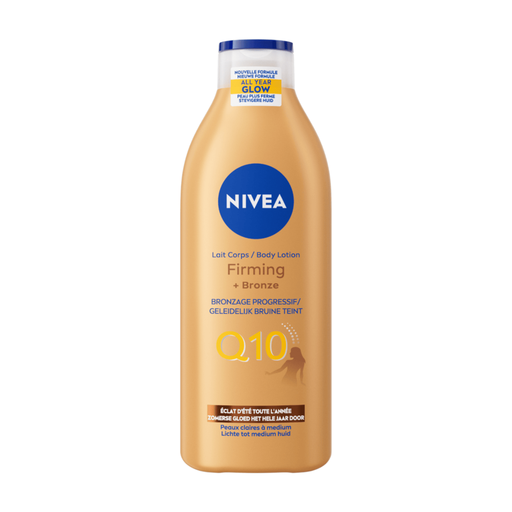
Why this fits the profile: This body lotion is designed for daily use and, according to the product description, gradually builds a natural-looking complexion. That makes dosing straightforward for anyone with little experience of self-tanning.
The instructions advise daily application and building up the colour gradually. This reduces the chance of applying a shade that’s too dark straight away.
400 ml content, glycerine in the ingredients list and DHA as the self-tanning ingredient. According to NIVEA’s own research, the formula is enriched with Q10.
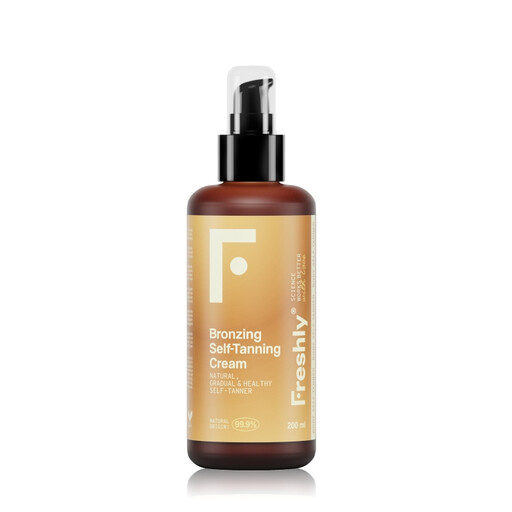
Why this fits the profile: The cream is aimed at a gradual colour and, according to the brand’s description, contains plant-based inositol and carrot extract among other ingredients. This suits shoppers who value the formulation and a step-by-step result.
The usage instructions ask you to apply it to clean, dry skin. The manufacturer describes visible colour development from day three, so you don’t have to commit to a heavy shade immediately.
200 ml content, DHA and erythrulose in the ingredients list. According to Freshly Cosmetics’ own information, more than 99% of the formula consists of ingredients of natural origin.
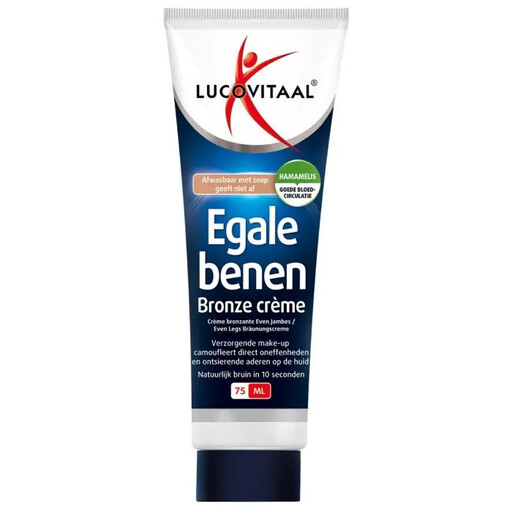
Why this fits the profile: This leg bronzer is designed for an instant cosmetic effect on the legs. The cream is suitable when you want a more even look quickly for an occasion, without a long-term self-tanning routine.
According to the product information, the cream contains no self-tanner and can be washed off with soap. So you’re not stuck with a colour that lasts for several days.
Instant visible result according to the product description, 75 ml content and a formula containing glycerine, shea butter and mica among other ingredients.
Do not use a self-tanner on irritated or damaged skin. Avoid contact with the eyes and always follow the warnings on the packaging. If you have sensitive skin, first test a small amount on a limited area of skin.
We’ve put together a full, up-to-date list of products that fully meet these strict selection criteria and comply with current European safety regulations.
This varies per formula, skin type and washing routine. A gradual lotion often remains visible for several days and fades gradually. A temporary leg bronzer is removed with water and soap according to the product information. Follow the instructions on the packaging for top-ups.
Yes, but a self-tanner on its own offers no UV protection. During the day, use a separate sunscreen with a suitable SPF. A product like NIVEA SUN Protect & Bronze SPF 30 is a sun product with a bronzing effect; according to the product description, it does not contain a self-tanner. The stated water resistance also does not mean that reapplication is unnecessary.
Prepare the skin with a gentle scrub, moisturise dry areas and apply the self-tanner thinly. Pay extra attention to ankles, knees, elbows, hands and the hairline. Let the product fully absorb and wash your hands after each application.
