
Vandaag of morgen in huis

Kwaliteit gegarandeerd

Welkomstaanbiedingen ontgrendelen: GRATIS bezorging | Tot 80% korting | Gratis 30 dagen JoyPlus-proefperiode
Download de app
Running shoes may look simple to compare at first glance. Yet a pair that’s light, breathable and well cushioned on paper can disappoint in practice. A poor fit, insufficient grip or a sole that doesn’t match your route often only becomes clear after a few sessions.
With this practical guide, you can compare running shoes by verifiable features. That way, you can decide whether you need light road running shoes, breathable trainers for everyday use, or trail running shoes with extra grip.
A soft midsole feels comfortable when trying shoes on, but cushioning alone says little about whether they’re right for your routes. For road running, flexibility and a smooth transition matter. On unpaved paths, grip, torsional stiffness and protection against stones and branches also count.
Pay attention to construction too. A shoe with EVA foam may, according to the product description, offer rebound and shock absorption, but the experience varies by runner, weight, pace and surface.
A mesh upper generally lets more air through than synthetic leather or a sealed membrane. That’s pleasant on longer runs and in warm weather. On the flip side, mesh offers less protection against rain and deep puddles.
So check whether the shoe is intended for dry conditions or has extra protection. A TPU film on certain versions may, per the product info, increase durability, but it can also affect ventilation.
Sizes vary by brand and model. Measure both feet at the end of the day, wearing the socks you run in. Then compare the foot length in millimetres or centimetres with the product’s size chart.
For running, a little room at the toes is practical, especially over longer distances. Your heel, on the other hand, should stay secure without pressure points. A shoe that’s too short or too narrow can become uncomfortable as your feet swell slightly during a session.
For daily runs, breathable running shoes with mesh or sandwich mesh are a logical choice. These materials are light and support airflow. At the same time, look for reinforcements in high-wear areas such as the toe, heel and sides.
A standard fit suits many feet. If you have narrow feet, check whether a slim or narrow fit is available. For wider feet, ample forefoot room is more important than a sleek look.
The midsole largely determines how a shoe feels. Cushioned running shoes can be suitable for roads, daily training and longer distances. EVA foam is known for being light and springy. Other models use brand-specific materials, such as adidas Cloudfoam, Bounce 2.0 or Dreamstrike+.
According to adidas product information, Cloudfoam, Bounce 2.0 and Dreamstrike+ are designed for comfort and cushioning. Treat this as brand information and focus on comparing the fit, weight and intended use. A softer shoe isn’t automatically right for every running style.
For roads, a rubber outsole with a relatively flat tread usually suffices. If you often run forest paths, gravel or mud, you’ll benefit more from road-to-trail running shoes with a more pronounced tread.
With trail running shoes, the outsole compound matters. PELLIOT models use, according to the product description, a ROCKYTEC rubber outsole. Selected versions list Vibram Megagrip. These designations come from the brand’s product information; check per variant which sole actually comes with the product.
For wet routes, look for a tread with enough space between the lugs. A dense, flat tread may shed mud less effectively. For paved cycle paths, an extremely aggressive trail tread may feel less comfortable.
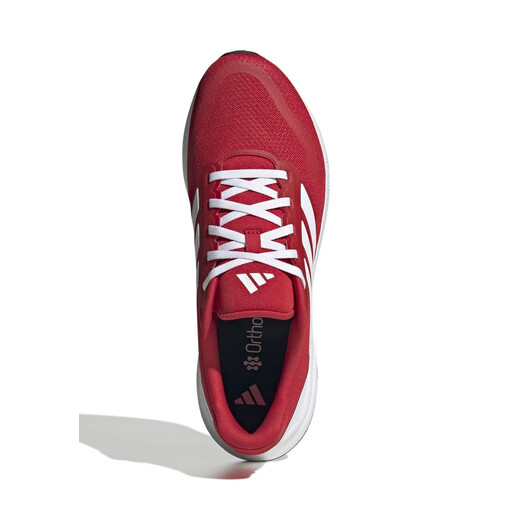
Why it fits this profile: This model is geared towards road training and short distances of 0–10 km. The mesh upper, Cloudfoam midsole and lace-up closure suit a beginner who wants one pair for regular training.
The product information states the intended use, materials and size guidance. That means you don’t have to rely solely on vague terms like ‘comfort’.
Mesh upper, Cloudfoam midsole, Ortholite insole and Adiwear outsole according to the product description.
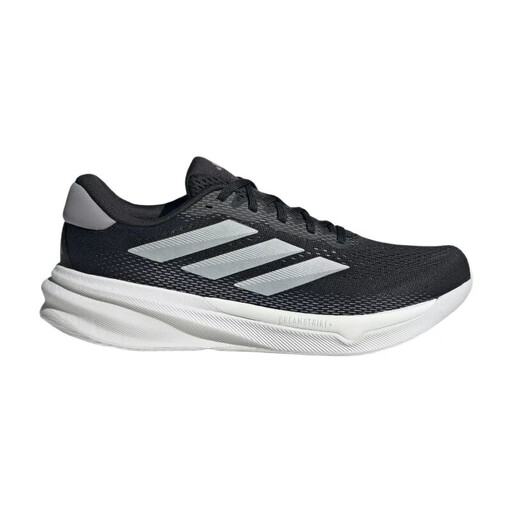
Why it fits this profile: This training model is designed for runners building longer distances who value a blend of cushioning, ventilation and a durable rubber outsole.
The specs list the mesh upper, the Dreamstrike+ and EVA midsole, and the Adiwear outsole separately. You can therefore weigh up the features for each use case.
Hybrid Dreamstrike+ and EVA midsole, textile and synthetic mesh, and Adiwear rubber according to the product information.

Why it fits this profile: These unisex running shoes are, according to the product information, intended for the transition from city roads to paths and trail routes. They suit runners who don’t want a separate pair for every surface.
The product description lists both the standard and slim fit, the upper materials and the type of outsole. Do check per version which sole variant is available.
Sandwich mesh and woven fabric, high-elastic EVA and ROCKYTEC rubber according to the product information; EU 42 corresponds to a foot length of 260 mm.
We’ve compiled a complete, up-to-date list of products that fully meet these strict selection criteria and current European safety regulations.
There’s no fixed mileage that applies to everyone. Look for visible wear, reduced spring in the midsole, a worn tread or new pressure points. With lots of road kilometres, wear may show sooner than with gentler use.
They can be, as long as the fit, cushioning and stability suit your running style. Low weight is useful, but it shouldn’t come at the expense of support and comfort. Try a new pair first on shorter runs before tackling a long distance.
Yes, but the ride differs by tread pattern. A more aggressive outsole can feel less smooth on tarmac and wear faster. If you mix paved and unpaved routes, choose a model whose product description mentions both surfaces, and check the grip, flexibility and fit.
