
Vandaag of morgen in huis

Kwaliteit gegarandeerd

Welkomstaanbiedingen ontgrendelen: GRATIS bezorging | Tot 80% korting | Gratis 30 dagen JoyPlus-proefperiode
Download de app
Anyone who exercises regularly or simply wants to add extra protein to their daily diet will soon come across dozens of protein products. Protein bars, whey protein, protein drinks and large bags of powder differ not only in flavour, but also in protein content, serving size, sweeteners, allergens and price per serving.
A product with eye-catching claims on the front is therefore not automatically the right choice. The best option depends on when you plan to use it, your diet and the nutritional values shown on the label.
A high protein percentage does not tell you everything about a product’s composition. For example, a protein bar may also contain high levels of fat, carbohydrates or polyols. So check the values per serving, not just per 100 grams. A large bar may sometimes appear to contain more protein than a small bar, but it may also contain more calories.
Serving size is equally important with whey protein powder. A scoop does not weigh exactly the same across every brand. Check how many grams of powder are needed to provide the stated amount of protein.
Some protein bars contain little sugar but include maltitol, glycerol or other sweeteners. These ingredients can improve the texture, but consuming large amounts of polyols may have a laxative effect. Also check the total energy, fat and carbohydrate content.
A product with no added sugar is not necessarily completely sugar-free. Its ingredients may naturally contribute sugars. Use the nutrition table as your main point of reference.
Many protein bars and whey products contain milk. Soya, peanuts, nuts, gluten and egg are also common. If you have an allergy or intolerance, always read the current packaging, even if you have bought the product before.
Some sports nutrition products also contain caffeine. Applied Nutrition Critical Whey Caramel Latte, for example, lists 100 mg of caffeine per 33-gram serving. This makes the variant less suitable for use late in the day, and according to the product information it is not intended for children or pregnant women.
For many adults, the amount of protein per occasion is a practical point of comparison. Across the range, values vary from 16 grams per bottle of protein drink to 24 or 25 grams per serving of powder or bar.
A high-protein snack for eating on the go does not need to have the same composition as a shake after strength training. First decide how much protein you actually want to add, then compare the price per gram of protein.
If you are watching your sugar or calorie intake, you can compare the following information:
According to the product information, the Barebells Caramel & Cashew bar contains 20 grams of protein and 200 kcal per 55-gram bar. The nutrition information lists 1.5 grams of sugar; the description also states that it contains no added sugars. Always check the label on the packaging when you buy it.
A tub of whey protein powder is often cost-effective per serving, but you will need a shaker, water or milk, as well as a suitable place to store it. A 30-gram sachet is more convenient if you want to try a flavour first. A ready-to-drink protein beverage can be used immediately, but creates more packaging volume.
When choosing a protein bundle, check the actual contents. A mixed set can be useful for comparing flavours, but calculate the price per bar or bottle before ordering.
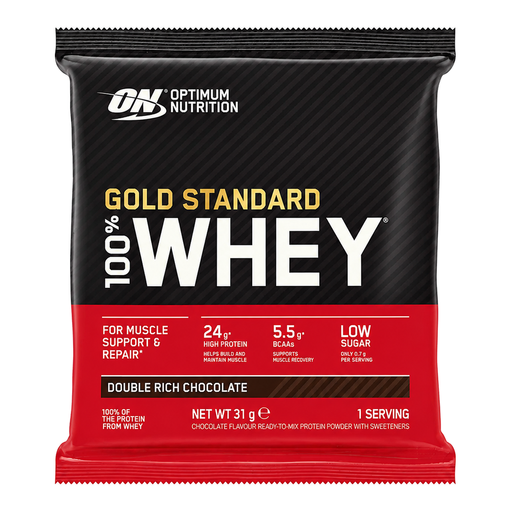
Why it suits this profile: A single-serving sachet is practical if you want to try whey protein powder before committing to a large pack.
The serving size and nutritional values are clearly stated: approximately 24 grams of protein and around 116 kcal per sachet, according to the product information.
Whey blend containing isolate, concentrate and hydrolysed whey; mix with water or milk.
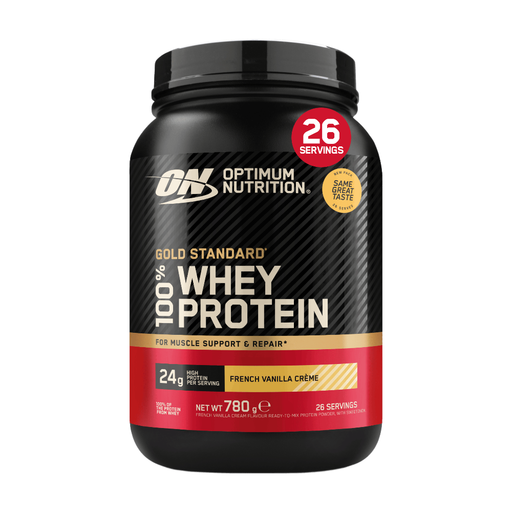
Why it suits this profile: The larger tub is ideal for adults who regularly make protein shakes and want to keep a favourite flavour at home.
You can compare the serving size, protein value and sugar value directly: 24 grams of protein and 1.2 grams of sugar per 30-gram serving, according to the product information.
780 grams of powder, instantised powder and a whey blend containing isolate, concentrate and hydrolysate.
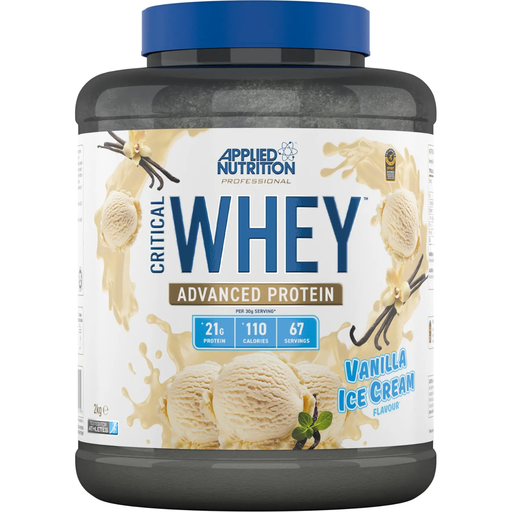
Why it suits this profile: The 2-kilogram pack is intended for frequent use, for example if you train several times a week.
The product information states 21 grams of protein per 30-gram serving and specifies the recommended mixing ratio of 300–400 ml of cold water.
2 kg of powder, 110 kcal per serving and a combination of whey concentrate, isolate and hydrolysed whey.
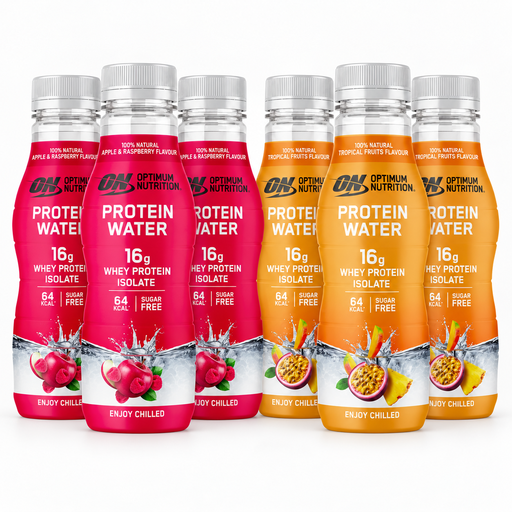
Why it suits this profile: This protein drink is ready to use and has a light fruit flavour instead of a milky texture.
The bundle states that each 350 ml bottle contains 16 grams of protein, 64 kcal, 0 grams of sugar and 0 grams of fat.
Three Apple & Raspberry bottles and three Tropical Fruits bottles; enjoy chilled, with no shaker required.
We have put together a complete, up-to-date list of products that fully meet these strict selection criteria and the applicable European safety regulations.
A protein product can be used after exercise, but your overall daily diet is more important than one specific time. A shake, bar or protein drink is particularly convenient when a regular meal is not immediately available.
The best-before date is printed on the packaging. Store whey protein powder in a dry, cool place, tightly sealed and away from direct sunlight and moisture. Do not use a product if the packaging is damaged or its smell and texture have clearly changed.
It depends on the pack size and brand. Do not compare only the price per product; focus especially on the price per gram of protein. A large tub of powder may be cheaper per serving, while protein bars and drinks offer greater convenience. That added practicality can make all the difference when you are on the go.
