
Vandaag of morgen in huis

Kwaliteit gegarandeerd

Welkomstaanbiedingen ontgrendelen: GRATIS bezorging | Tot 80% korting | Gratis 30 dagen JoyPlus-proefperiode
Download de app
Protein bars are handy for after a workout, at the office, or on the go. Yet at first glance, many protein bars look more alike than they actually are. A flashy wrapper, the words “high protein” or “low sugar” don’t tell the full story.
If you’re buying with purpose, you look beyond flavour and brand. The difference often lies in the nutritional value per bar, the use of sweeteners, the allergens, and the quantity in a multipack. With these practical checkpoints, you can choose a protein-rich snack that suits your eating occasion and budget.
A wrapper might show a high protein percentage, while the bar itself is small. Always compare both values:
A bar with 20g of protein sounds appealing, but also check the calories, fats and carbohydrates. That way, you avoid relying on just one standout number.
Many low-sugar protein bars use sweeteners or polyols, such as maltitol, sorbitol, erythritol or sucralose. That might suit your preference, but a high intake of polyols can, according to the product information, have a laxative effect.
So look beyond “sugar” and also check:
A low sugar content is therefore just one selection point, not a full assessment of the bar.
A chocolate protein bar often contains milk, soya and sometimes gluten. A peanut-flavoured protein bar may also contain peanuts and other nuts. If you have an allergy, always check the current packaging, even if you’ve bought the product before. Recipes and warnings can change.
Protein bars can contain milk protein, whey protein, casein, soya protein, collagen hydrolysate, or a combination of these. The product description usually states which sources are used. That’s more useful than just the name “protein bar”.
For a protein-rich snack, you can use around 14 to 25 grams of protein per bar as a practical benchmark. The final choice depends on your overall diet and when you plan to eat the bar.
Also pay attention to brand claims. When a brand talks about supporting muscle growth or recovery, for example, that’s a claim from the product’s marketing. Don’t treat it as a medical effect or as a replacement for normal food.
A post-workout protein bar may have a low sugar content, but still provide relatively high calories from chocolate, nuts, fats or fibre-rich ingredients. So look at the nutritional value per bar, not just per 100g.
A handy comparison:
An individually wrapped bar fits well in a sports bag, desk drawer or car. A protein bar multipack is practical for home or daily use and can make the price per bar clearer. Do check the total weight, the number of bars and the storage information.
For on the go, individually wrapped bars are handy. Store them according to the instructions on the packaging, usually in a cool, dry place, away from direct sunlight and heat.
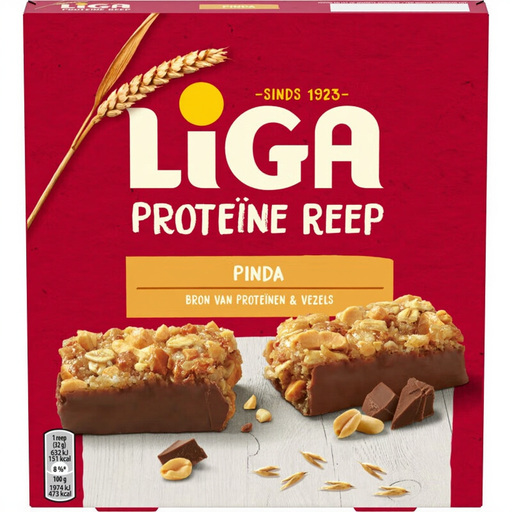
Why this fits the profile: An accessible choice for anyone looking for a crunchy bar with peanut flavour, without selecting solely on low sugar content. Per 100g, the product information states 15g of protein and 24g of sugars.
The nutritional information makes it clear that this isn’t a low-sugar protein bar. That means you can compare the bar fairly, rather than just relying on the term protein.
Peanut flavour, crunchy texture, fibre and a 160g pack. Contains milk, peanuts, soya and gluten-containing cereals.
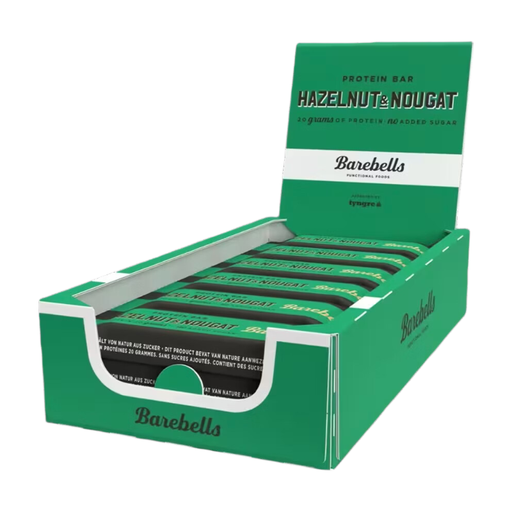
Why this fits the profile: A multipack for anyone who wants to combine a soft texture, hazelnut-nougat flavour and a steady supply for home or work.
The product information states values per portion: 20g of protein, 1.4g of sugar and 2.9g of fibre per 55g bar. Polyols remain something to watch.
12 bars of 55g, 20g of protein per bar and 1.4g of sugar per bar according to the product data provided. Contains milk and hazelnuts.

Why this fits the profile: For athletes and active adults who want a high protein content and low sugar per bar in a compact size.
The product data shows both the values per 100g and per bar: 25g of protein and 0.7g of sugar per 50g bar. That makes the portion easy to assess.
25g of protein, 0.7g of sugar and 179 kcal per bar according to the product information. Contains milk, soya, peanuts and gluten-containing cereals.
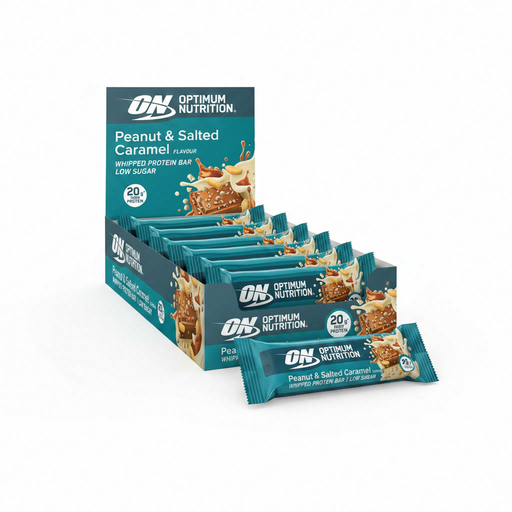
Why this fits the profile: A box of 10 bars for anyone looking for a soft, creamy chocolate bar for their sports bag, car or desk drawer.
The product description states 20g of protein per bar and a low sugar content. Do check the full nutritional table and polyol content on the packaging.
10 bars of 60g, peanut flavour with salted caramel and suitable for vegetarians according to the product information. Contains milk, soya and peanuts.
We’ve put together a full, up-to-date list of products that fully meet these strict selection criteria and comply with current European safety regulations.
You can have one straight after a workout, but also later in the day as a handy snack. There’s no universal must-have moment. Just choose a bar whose portion size, protein content and ingredients fit your overall diet.
Not automatically. Also check the polyols, sweeteners, calories and allergens. In some bars, a low sugar content can go hand in hand with a higher level of sweeteners or polyols. Follow the instructions on the packaging.
Check the best-before date and storage advice on the packaging. Generally, store bars in a cool, dry place, away from direct sunlight and heat. Don’t use a product if the packaging is damaged, and always check the current ingredients list with each purchase.
