
Vandaag of morgen in huis

Kwaliteit gegarandeerd

Welkomstaanbiedingen ontgrendelen: GRATIS bezorging | Tot 80% korting | Gratis 30 dagen JoyPlus-proefperiode
Download de app
A protein bar is handy for on the go, at work or after exercise. Yet a flashy packet tells you very little about what's actually inside. Some protein bars contain a surprising amount of sugar, others rely heavily on sweeteners, and some are bigger than you'd expect. Use this practical checklist to compare protein bars based on verifiable nutritional information.
A high protein percentage per 100g sounds appealing, but a 50g bar delivers less protein than a 74g bar with a lower percentage. So always check protein per bar AND per 100g. That way, you can compare small and large bars fairly.
A protein bar that's low in sugar can still be high in carbohydrates thanks to ingredients like glucose syrup, maltitol or other polyols. So alongside the sugars, also check the total carbohydrates. With some products, a high intake of polyols can also have a laxative effect. Look out for the warning on the packaging.
A protein bar for after exercise needs to be practical, but it also has to suit your personal preference. A soft caramel bar is very different to eat from a crunchy chocolate version. If you buy a large multipack of protein bars without knowing the flavour first, you're more likely to end up wasting them. If you're unsure, start with a smaller pack.
For many adults, 15 to 25 grams of protein per bar is a useful benchmark for a high-protein snack. This isn't a fixed rule for everyone. Your total needs depend on factors such as your diet, body weight and activity level.
Also pay attention to the protein source. Ingredients like milk protein, whey protein, soya protein and collagen hydrolysate are common. If you have an allergy or intolerance, always check the full ingredients list and allergen information.
If you want a protein bar that's low in sugar, compare the value per bar, not just per 100g. A 55g bar with 2g of sugar is a very different proposition to a large bar with the same value per 100g.
Also check:
"With no added sugars" doesn't automatically mean sugar-free. According to the product information from certain brands, naturally occurring sugars can still count.
An individually wrapped bar is practical for a bag or desk drawer. A multipack is more convenient if you use sports nutrition regularly, but do check the best-before date and storage instructions. Store most bars in a cool, dry place, away from direct sunlight and heat.
A protein shake can be an alternative if you prefer a liquid snack. In that case, pay attention to refrigerated storage after opening. According to the product information, the Nutramino Nutra-GO Shake must be kept refrigerated after opening and used within 24 hours.
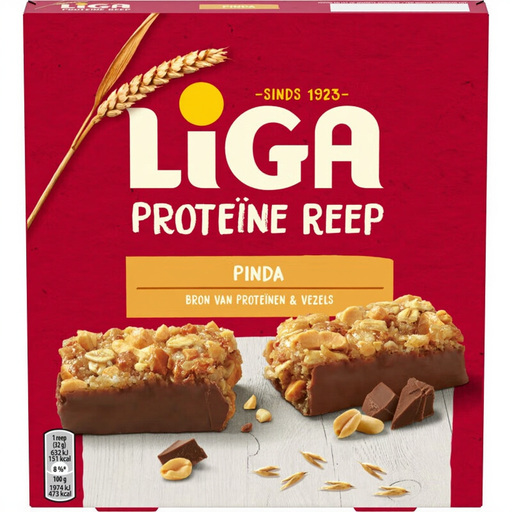
Why this fits the profile: This 160g pack is suitable if you're looking for a familiar cereal bar with a peanut flavour and want to divide the portions yourself.
The nutritional values are clearly stated: 15g of protein and 24g of sugar per 100g. This makes it clear that it's more of a cereal and protein-rich snack than a low-sugar bar.
Peanuts make up 20% of the recipe; the bar also contains 4.2g of fibre per 100g and is easy to take with you individually.
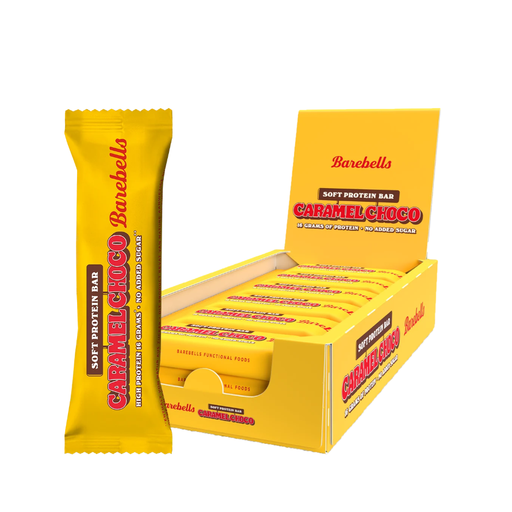
Why this fits the profile: The multipack contains 12 bars of 55g and suits anyone who values a soft texture and chocolate flavour.
The product information states 16 to 17g of protein per bar and a low sugar content. Do check the current packaging for the exact nutritional values per flavour.
12 individually wrapped bars; choice of Caramel Choco and Rocky Road Nutty Marshmallow; soft texture with crunchy elements.
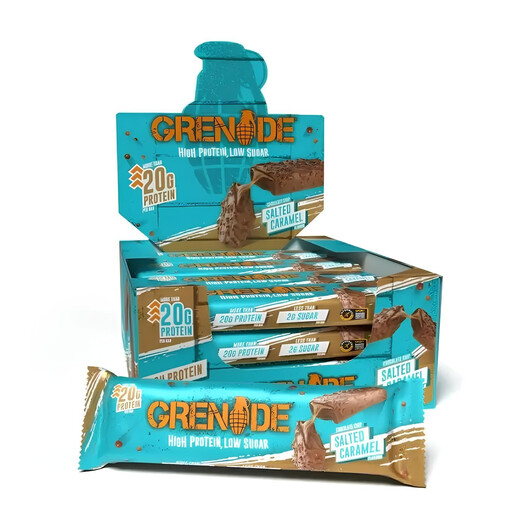
Why this fits the profile: A multipack of 12 bars is practical for regular exercisers who want a steady supply in their gym bag, car or workplace.
Per bar, 20g of protein and 1.4g of sugar are stated. The bar does contain 18g of polyols; according to the product information, excessive consumption can have a laxative effect.
60g per bar, 12 per pack and a chocolate-caramel flavour with a crunchy texture.
We've put together a full, up-to-date list of products that fully meet these strict selection criteria and comply with current European safety regulations.
It varies depending on the size and recipe. In the range, this can range from 15g per 100g for the Liga Protein Bar Peanut to 25g per bar for various bars of 50 to 74g. So always compare the same unit.
A protein bar can be practical after exercise as a supplement to your normal diet. The exact timing is less important than your overall diet. Choose a bar that suits your needs for protein, sugar, calories and carbohydrates. Product information from brands about muscle recovery or muscle support should be seen as a product claim, not as personal dietary advice.
Check the best-before date and the instructions on the packaging. Generally, store bars in a cool, dry place, away from sunlight and heat. With multipacks, also check that the packaging is undamaged. If you have allergies or intolerances, the current ingredients list on the product is the deciding factor, as recipes can change.
