
Vandaag of morgen in huis

Kwaliteit gegarandeerd

Welkomstaanbiedingen ontgrendelen: GRATIS bezorging | Tot 80% korting | Gratis 30 dagen JoyPlus-proefperiode
Download de app
At first glance, a protein bar seems simple enough: pick a flavour, check the grams of protein and add it to your basket. Yet protein bars vary widely in nutritional value, texture, sweeteners and allergens. A bar that’s high in protein isn’t automatically right for your eating occasion or daily diet.
If you’re looking to buy a protein bar, it’s worth looking beyond the front of the packet. Below, you’ll find the common pitfalls to watch out for, which details you need to check, and which products suit different situations.
A high protein content sounds appealing, but you should also check the bar’s size, fat content and energy value. A large bar can contain significantly more calories per serving than a smaller snack. That matters when you’re after a high-protein snack between meals or keeping an eye on your total calorie intake.
Compare nutritional values per bar and per 100g where possible. That way, you won’t be misled by a smaller portion size making a product look more favourable.
Many low-sugar protein bars contain sweeteners such as maltitol, sucralose, sorbitol or erythritol. These ingredients can reduce the sugar content, but they do alter the taste and texture. What’s more, consuming too many polyols can have a laxative effect. So don’t just check the “sugar” line – also look at the polyols row in the nutritional information table.
A protein bar with chocolate, caramel, peanuts or nuts often contains milk, soya and sometimes gluten. The label may also state that the product contains traces of other nuts. If you’re looking to buy a protein bar for on the go, it’s wise to check the allergen information beforehand rather than relying on the flavour name alone.
For a practical comparison, the protein content per bar is the most useful figure. Across the range, values vary. For example, a Liga Protein Bar provides 14 to 15g of protein per 100g according to the product information, while various sports bars deliver around 18 to 20g per bar. The XXL Nutrition High Protein Bar Chocolate states 25g of protein per 50g bar.
Also pay attention to the protein source. Many bars use milk protein, whey or casein. Other products also contain collagen hydrolysate or soya protein. These sources aren’t all equal in terms of taste, dietary preference or digestibility.
If you want a low-sugar protein bar, compare these three lines:
For instance, Barebells Protein Bars Hazelnut & Nougat list 20g of protein and 1.4g of sugar per 55g bar. The Grenade Carb Killa Chocolate Chip Salted Caramel states 20g of protein and 1.4g of sugar per 60g bar, but also 18g of polyols per bar. That difference matters if you’re thinking of having several bars in one day.
Check the ingredients list when you’re looking for a protein bar for muscle recovery, a post-workout snack or a protein snack for on the go. Look out for:
According to the product information, the Liga Protein Bar Cranberry contains milk, soya, peanuts, hazelnuts and gluten-containing cereals. The Hero Protein Peanuts and Chocolate is more than half peanuts and also contains milk and soya. That makes the flavour obvious, but limits its suitability for people with certain allergies.
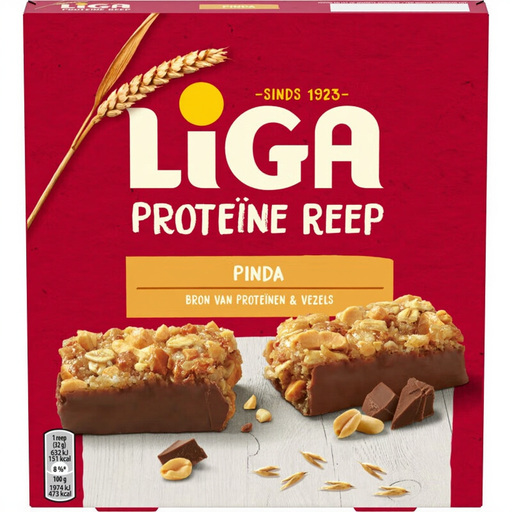
Why it fits this profile: The 160g pack is practical if you want to try an accessible peanut-flavoured protein bar without committing to a large multipack straight away.
The nutritional information states 15g of protein and 24g of sugar per 100g. That makes it clear straight away that this isn’t a classic low-sugar protein bar, but rather a crunchy snack with protein and fibre.
Peanut flavour, crunchy texture, source of protein and fibre. Contains peanuts, milk, soya and gluten.

Why it fits this profile: This compact chocolate bar is aimed at shoppers who prioritise a high protein content per serving and a low sugar content over a long ingredients list.
The product information states 25g of protein, 0.7g of sugar and 179 kcal per 50g bar. Check the packaging at the time of purchase, as the composition and nutritional values may vary by variant.
25g of protein per bar and a low stated sugar content. Contains milk, soya, peanuts and gluten-containing cereals.
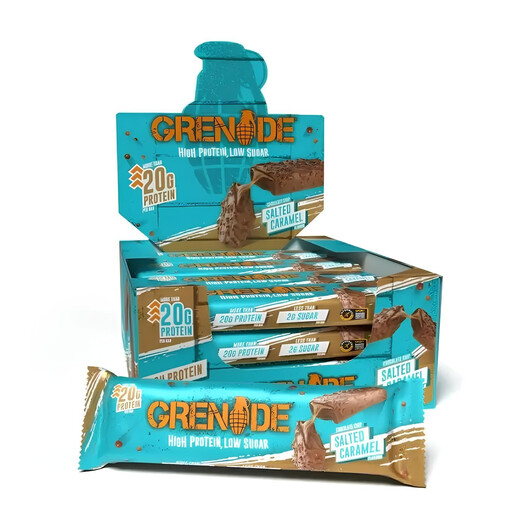
Why it fits this profile: The multipack with individually wrapped bars suits athletes and active users who regularly take a snack to work, training or on the go.
The product details state 20g of protein, 1.4g of sugar and 18g of polyols per bar. That allows you to assess the low sugar alongside the polyols, rather than just looking at the front of the packet.
12 individually wrapped bars with chocolate chip and salted caramel flavour. Contains milk and soya; traces of gluten, nuts and peanuts may be present.
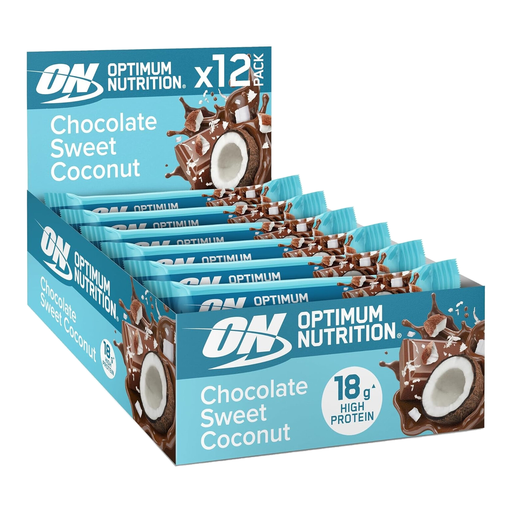
Why it fits this profile: The combination of chocolate and coconut is ideal for anyone who prioritises flavour and a steady supply – whether at home, in the office or in the gym bag.
A multipack makes the portion size clear: according to the product information, each bar provides 18g of protein. Do check the stated number of bars on the packaging, as the product details mention different quantities.
Chocolate and coconut flavour, individual size and a box for stocking up. The product information lists multiple allergens, including milk, soya, peanuts and nuts.
We’ve put together a full, up-to-date list of products that fully meet these strict selection criteria and comply with current European safety regulations.
A protein bar can be handy after a workout or between meals when you don’t have another snack to hand. There’s no fixed timing that’s necessary for every adult. Instead, look at your overall diet, the portion size and the composition of the bar you’ve chosen.
The best-before date is on the packaging. Generally, store bars in a cool, dry place away from direct sunlight, heat and moisture. Don’t leave a wrapper open if you want to keep the texture and flavour. Always check the actual date and the label of the specific variant.
That depends on your personal diet, energy needs and choice of product. A protein bar is a supplement, not a replacement for a varied diet. If you’re having them daily, pay attention to sugar, polyols, calories, fibre and allergens. That way, you’ll choose a protein bar that better suits your eating occasion rather than just an appealing marketing claim.
