
Livraison le jour même et le lendemain

Qualité garantie

Débloquez vos offres de bienvenue: Livraison GRATUITE | Jusqu'à -80 % | 30 jours d'essai gratuits à JoyPlus
Téléchargez l'application
A moisturiser might seem like a simple product, but the options vary widely in texture, ingredients, area of use and price. A light gel can feel great on oily skin, while a rich body cream is better suited to dry elbows or legs. If you only pay attention to words like “intensive”, “natural” or “restorative”, you risk buying a product that doesn’t fit into your daily routine.
Hyaluronic acid, aloe vera, ceramides and plant extracts often feature prominently on the packaging. Yet one ingredient alone doesn’t automatically determine how a formula feels or which skin type it’s suitable for. So check the full ingredients list and also look at the texture, the fragrance and the recommended use.
A cream with hyaluronic acid might be appealing if you’re after hydrating care. However, for sensitive skin, fragrance or another ingredient could be more important than the marketing name on the front.
A body cream or body lotion is usually formulated for larger areas of skin and can be richer or more fragranced. A hydrating face cream is often lighter and designed for use on the face. That doesn’t mean every product can only be used in one place: always follow the product description and the label.
Terms like “repair the skin barrier”, “soothe” or “reduce redness” shouldn’t be read as medical promises. According to a brand’s own research or product information, certain ingredients may contribute to a particular skin experience, but results vary from person to person. For persistent irritation, itching or damaged skin, advice from a doctor or dermatologist is wiser than switching between creams.
First, choose between a face cream, body cream, body lotion or multi-purpose cream. Then look at the size:
Apply a moisturiser to clean skin. After a shower, a body lotion can be nice because you can care for your skin straight away. Use the amount stated on the packaging and let the product sink in before getting dressed.
For dry skin, richer creams with ingredients like glycerine, oils, shea butter, petrolatum or ceramides are often a good fit. A cream for dry skin usually feels fuller and can help limit moisture loss, depending on the formula.
Normal or combination skin can benefit from a cream with a medium texture. For oily skin, a gel cream is often more comfortable. Also look out for terms like “non-greasy formula”, “fragrance-free” or “non-comedogenic”, but check that these properties are actually stated in the product information.
According to the product information from Dr. Althea, the 147 Barrier Cream contains seven types of hyaluronic acid and ceramides. That’s a verifiable formulation feature, but not a guarantee that the cream will feel the same for everyone. If you have allergies, always check the current ingredients list on the packaging.
The following selection is based on product type, size, listed ingredients and usage information. This way you can compare more quickly without relying solely on brand claims.
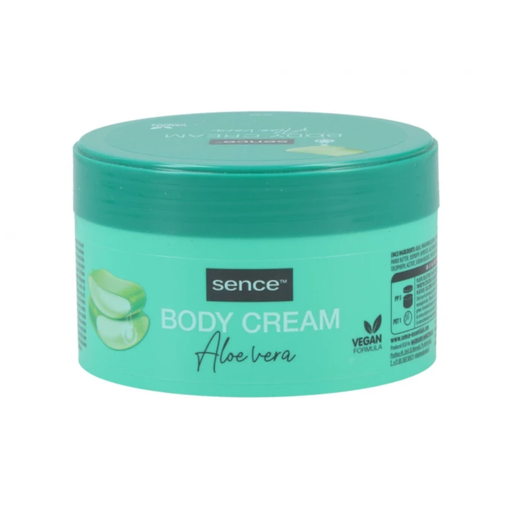
Why this fits the profile: A straightforward 200 ml body cream for daily use on the body, with aloe vera as a listed ingredient and a fresh scent according to the product description.
The use and size are clearly stated. You’re not automatically paying for an elaborate face formula when you mainly need a body cream.
200 ml size; body cream with aloe vera variant and fresh scent according to the product information.
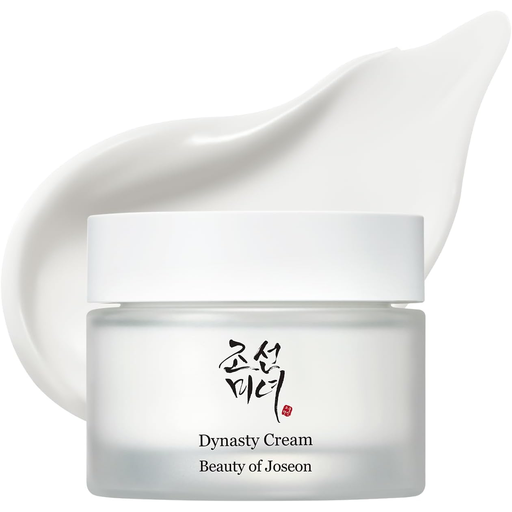
Why this fits the profile: For those who want to combine Korean skincare with a richer face cream. The ingredients list includes niacinamide, sodium hyaluronate, panthenol and various plant extracts.
The choice is based on the full ingredients list and the skin type, not just on terms like “glow” or “nourishing”.
100 ml; ingredients such as niacinamide and sodium hyaluronate are listed in the product information.
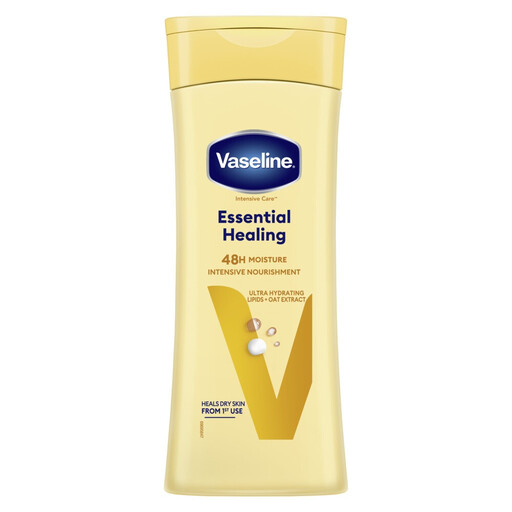
Why this fits the profile: A generous body lotion for adults with dry skin who want to care for larger body areas daily. The formula lists glycerine, petrolatum and oat extract among others.
The packaging states 400 ml and the use for dry skin. Do check the current ingredients list if you’re sensitive to fragrance or listed fragrance allergens.
400 ml size; lotion with glycerine, petrolatum and oat extract according to the product information.

Why this fits the profile: The product information mentions a light gel texture for oily or combination skin, for use on the face and neck.
The gel cream prevents you from choosing a heavy body cream for a face that gets shiny quickly. Texture remains the most important checkpoint.
100 ml; gel cream for face and neck; product information mentions a light, non-sticky texture.
We’ve put together a full, up-to-date list of products that fully meet these strict selection criteria and comply with current European safety regulations.
Look for a richer cream with ingredients like glycerine, shea butter, oils, petrolatum or ceramides. A body lotion is handy for large areas of skin; a face cream is more practical for the face. If you have sensitive skin, test a small amount first and check for fragrance and allergens.
That depends on the formula and your skin. Many products are designed for daily use, for example after cleansing or showering. Follow the instructions on the packaging and reapply when your skin feels tight. Using more product doesn’t automatically mean more hydration.
Check the expiry date, batch information and the period after opening on the packaging. Store the cream sealed, in a dry place and out of direct sunlight. If the scent, colour or consistency changes noticeably, stop using the product. When trying a new face cream, it’s wise not to introduce several new products at once; that way you can see more clearly how your skin reacts.
