
Vandaag of morgen in huis

Kwaliteit gegarandeerd

Welkomstaanbiedingen ontgrendelen: GRATIS bezorging | Tot 80% korting | Gratis 30 dagen JoyPlus-proefperiode
Download de app
The moisturiser aisle can be overwhelming. Jars and tubes promise silky-smooth skin, a youthful glow, or instant relief. But how do you know which cream truly delivers what you need and isn't a waste of money? Many products rely on marketing that promises more than the formula can deliver. As a Joybuy Product Recommendation Officer, I'm here to help you cut through the noise. We'll focus on what really matters, so you can make a choice your skin will love.
Before we look at products, let's discuss a few common pitfalls:
To make an informed choice, it's helpful to understand how a cream works. Its effectiveness depends on the balance of a few basic ingredients and how well it's tailored to your specific needs.
An effective moisturiser usually contains a combination of the following types of ingredients:
A good formula combines these elements to both hydrate the skin and lock in moisture.
The right cream largely depends on where you plan to use it and your skin type.
Below are some recommendations, linked to specific desires and skin profiles. These are not "winners," but examples of products with specifications that align well with a particular need.
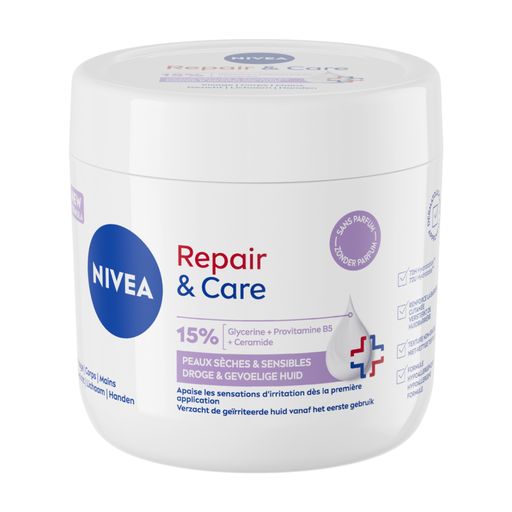
Why This Fits Their Persona: You're looking for a no-nonsense solution for dry, itchy, or sensitive skin. You don't need fancy fragrances or complex claims, just a reliable product that supports and soothes the skin barrier.
This product bypasses the "natural" trap by focusing on proven, calming ingredients. It's fragrance-free, which minimises the risk of irritation for sensitive skin.
Contains 10% glycerin (a humectant) and panthenol, known for its soothing properties. The formula is designed to restore the skin barrier.
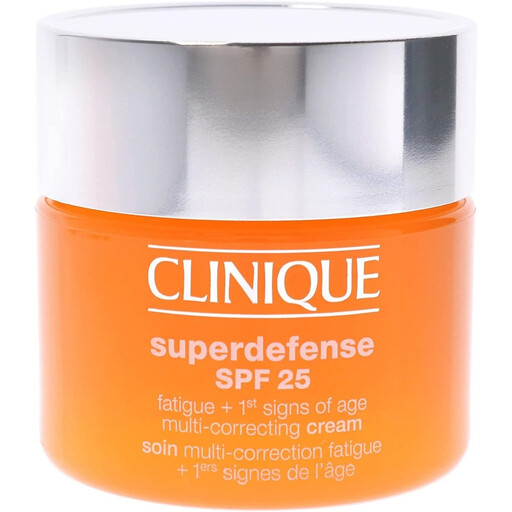
Why This Fits Their Persona: You're looking for an efficient face cream that performs multiple tasks: hydrating, protecting against the sun, and addressing the first signs of ageing. You prefer a fragrance-free product from a reputable brand.
This product avoids the "miracle cream" myth by focusing on prevention (SPF) and hydration, rather than making unrealistic promises about wrinkles. It's a multifunctional day cream.
Provides SPF 25 protection against UVA and UVB rays, which helps prevent premature skin ageing. The formula is fragrance-free and contains antioxidants.
If you particularly enjoy a product with a unique fragrance, we have a complete overview of creams that combine hydration with a sophisticated scent.
Look for terms like "for sensitive skin," "hypoallergenic," and "fragrance-free" on the packaging. Check the ingredient list for known irritants such as denatured alcohol and strong fragrances. Ingredients like panthenol, ceramides, and niacinamide are known to support the skin barrier. It's always a good idea to patch-test a new product on a small area of skin first, such as the inside of your arm.
The main difference lies in the texture and the ratio of water to oil. A body cream is thicker and contains more oil, making it more intensely nourishing and creating a richer barrier on the skin. This makes it ideal as a cream for dry skin or for use in the winter. A nourishing body lotion contains more water, is lighter, spreads more easily, and absorbs more quickly. This is often more pleasant for normal skin or for use in the warmer months.
Yes, that's often a good idea. In the winter, the cold air outside and the dry, heated air inside cause the skin to lose more moisture. A richer, more occlusive cream can help protect the skin barrier. In the summer, when humidity is higher and you sweat more, a lighter lotion or a gel-cream may feel more comfortable. Regardless of the season, a day cream with SPF for your face remains a crucial step in your routine.
