
Vandaag of morgen in huis

Kwaliteit gegarandeerd

Welkomstaanbiedingen ontgrendelen: GRATIS bezorging | Tot 80% korting | Gratis 30 dagen JoyPlus-proefperiode
Download de app
Buying headphones seems simple enough – until you have to choose between wireless headphones, noise-cancelling headphones, a gaming headset or wireless earbuds. Marketing copy often focuses on impressive features, while important practical details are less visible.
The following pitfalls regularly cost consumers money:
A Bluetooth headset is handy for smartphones, tablets and laptops without a cable. Do check the Bluetooth version, supported profiles and whether you can connect multiple devices at once. For gaming, Bluetooth can introduce more latency than a 2.4GHz connection.
A wired headset doesn’t need a battery and works straight away with a suitable connection. That’s practical for students, home workers and users who don’t want to manage charging. Some devices may require an adapter, though.
A combination of both options offers more flexibility. The Soundcore Space One Pro and Sennheiser MOMENTUM 4 Wireless can, according to their product descriptions, be used wirelessly and also support a wired connection. Before you buy, check which cables and adapters are actually included.
Don’t just look at the highest number of hours. Also check:
The Baseus EH10 NC, for example, states up to 80 hours without active noise cancellation and 55 hours with ANC. According to the product description, 10 minutes of charging gives you up to 10 hours of playback. These are manufacturer-stated values; actual duration may vary depending on volume, connection and settings.
An over-ear headphone encloses the ear and can be comfortable during long train journeys, work sessions or gaming marathons. An on-ear headphone rests on the ear and is usually more compact, but can feel more pressing for some users.
In-ear earphones and wireless earbuds are lightweight and easy to carry. Getting the right fit is important for comfort and sound isolation. Check whether multiple sizes of ear tips are included.
For calls and online meetings, look at:
A technical figure like “six microphones” doesn’t on its own prove that conversations will always sound clear. According to its own product information, the MINISO MS106 uses six microphones for noise reduction during calls. Treat this as a product specification, not a guarantee for every environment.
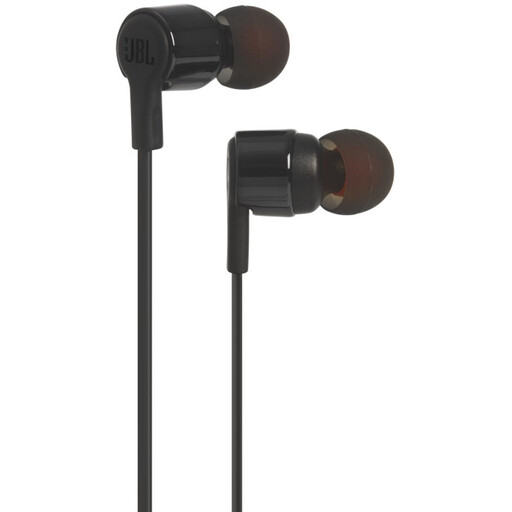
Why this fits the profile: These wired earbuds are designed for everyday listening via a 3.5mm connection, with no charging or Bluetooth pairing required.
The plug-and-play connection prevents charging and pairing issues. Do check your device’s connection beforehand; the product information mentions a 3.5mm connection.
Built-in microphone, volume control and no battery needed. According to its own product information, the model has 8.7mm dynamic drivers.

Why this fits the profile: This over-ear headphone is aimed at music lovers and travellers who want wireless operation, long battery life and active noise cancellation.
The product description separately lists battery life, fast charging, ANC and transparency mode. This makes it easier to compare the features against your own usage.
According to the manufacturer, up to 60 hours of playback, four microphones and a wired 3.5mm option. The model is not water-resistant according to the safety information.
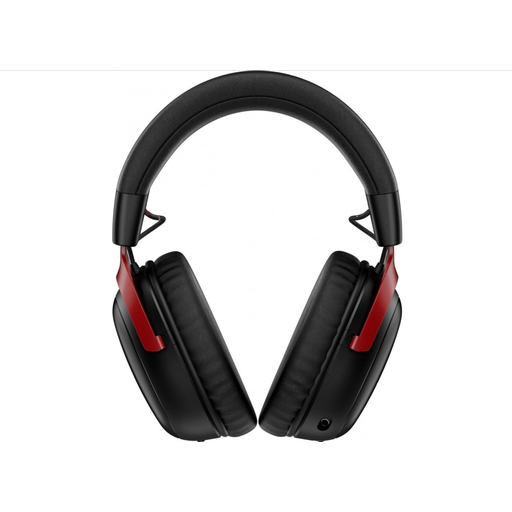
Why this fits the profile: This gaming headset model is aimed at gamers who want to switch between 2.4GHz wireless, Bluetooth and multiple compatible platforms.
The stated battery life is broken down by 2.4GHz and Bluetooth. Also check whether your platform and the included USB dongle are compatible with your setup.
53mm drivers, a detachable microphone and, according to the product information, up to 120 hours via 2.4GHz and up to 200 hours via Bluetooth.
We’ve put together a full, up-to-date list of products that fully meet these strict selection criteria and comply with current European safety regulations.
Before you buy, make a short list of your priorities:
A Jabra EVOLVE 30 II MS Stereo, for example, could make sense for a fixed workstation. The model is wired, has binaural stereo and comes with a LINK MS controller for USB connection. According to the product data, the cable is 0.95 metres long. That makes the connection method more important than wireless freedom.
For sport or daily commuting, models with a stated water resistance rating are worth considering. The MINISO MS106 mentions an IPX5 classification. Don’t take that as permission to submerge the earbuds: IPX5 doesn’t automatically mean protection against every form of water.
Not directly, but you do need to factor in charging and battery lifespan. A wired headphone doesn’t need a battery. With wireless models, a USB-C cable, charging adapter and possibly replacement after wear and tear can be relevant. Use a suitable charger and don’t charge in a damp environment.
That depends on the hinges, cables, ear cushions, battery and daily use. Store the model in a dry place, clean the ear cushions with a soft dry cloth and avoid pulling on the cable. With a wireless headphone, the battery is often a key component that wears out.
A noise-cancelling headphone can reduce ambient noise, but how well it works varies by model and situation. According to brands’ own product information, microphones and algorithms are used to make conversations clearer. So also check user settings, microphone placement and compatibility with your laptop or phone. Keep the volume moderate and take regular breaks during prolonged use.
