
Vandaag of morgen in huis

Kwaliteit gegarandeerd

Welkomstaanbiedingen ontgrendelen: GRATIS bezorging | Tot 80% korting | Gratis 30 dagen JoyPlus-proefperiode
Download de app
Buying a pair of headphones seems simple, until you have to choose between wireless headphones, in-ear earbuds, over-ear headphones or a model with noise cancellation. Marketing terms like ANC, Hi-Res audio and long battery life sound appealing, but they don’t always tell you enough about everyday use.
The right choice depends on your environment, wearing preferences and devices. Someone who mainly listens to music at home has different needs from someone who travels by train every day or is looking for a gaming headset.
A long battery life is often cited as a key selling point. Always check the conditions under which this figure applies. With many wireless headphones, the usage time is lower when ANC, high volumes or multiple connections are active.
So pay attention to the difference between:
A noise-cancelling headphone can reduce ambient noise, but how well it works varies depending on the type of sound. Low, constant tones like the sound of a train engine are a different scenario from voices, bicycle traffic or sudden noises.
Don’t just look at a claim like “up to -45 dB” or “up to -50 dB”. Also check whether the model has a transparency mode, so you can hear ambient noise when you need to. According to the product description, the Baseus EH10, for example, features adjustable ANC modes and a transparent usage option.
An over-ear headphone can be comfortable for long listening sessions, but can feel warmer than in-ear earbuds. An in-ear model is compact and handy for on the go, but not everyone finds earbuds comfortable to wear.
Check the product information for:
An IP rating is not a general guarantee of waterproof use. IPX5, for example, is designed for protection against water jets, not for swimming or submersion.
A Bluetooth headphone is practical for smartphones, tablets and laptops. Do check the Bluetooth version and support for multipoint if you want to switch between, say, a laptop and a phone. A wireless headphone with multipoint can be connected to two devices, but the exact operation also depends on the software and source devices.
A wired model with a 3.5mm connection does not need a battery during use. The Samsung EO-IA500 uses a 3.5mm mini-jack and is therefore suitable for devices with a traditional audio connection. Check beforehand whether your phone or laptop has that connection.
A larger driver does not automatically mean a better listening experience. More important factors include the driver technology, frequency range, Bluetooth codecs and the quality of the audio source.
Hi-Res audio and LDAC can support higher audio quality, but you also need compatible devices and suitable music files for that. With streaming services that use heavily compressed audio, you may notice less of a difference.
Also consider the purpose:
A model with a long battery life suits travellers and users who don’t want to charge every day. The product information for the CMF Headphone Pro, for example, states up to 100 hours without ANC and up to 48 hours with ANC. See such figures as stated usage time under specific conditions, not as a fixed guarantee for every listening session.
For earbuds, the capacity of the charging case is at least as important as the battery life per session. A model like the Samsung Galaxy Buds4 Pro is stated to offer up to 6 to 7 hours per charge and a total usage time of up to 26 to 30 hours with the case, depending on ANC use.
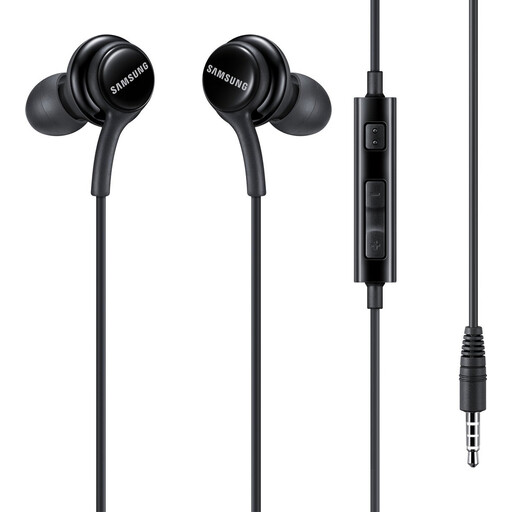
Why this fits the profile: This wired model is suitable for everyday listening without charging or Bluetooth pairing. The 3.5mm connection works with compatible smartphones, tablets and laptops.
You don’t need to assess battery life or a charging case. Just check that your device actually has a 3.5mm audio connection.
Wired connection, in-ear design and compatibility with devices that have a 3.5mm connection.

Why this fits the profile: An over-ear headphone for long listening sessions, travel and home use, with active noise cancellation and a stated battery life of up to 60 hours.
The product information mentions both ANC and a transparency mode. This means you can adjust the noise cancellation for travel, work or home use.
42mm transducers according to the product description, Bluetooth, app control and use with a 3.5mm cable.
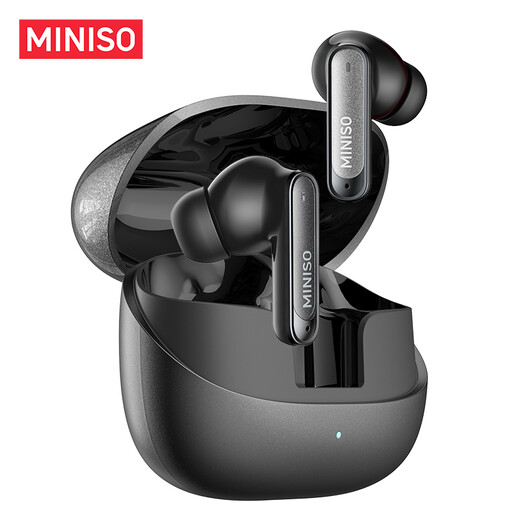
Why this fits the profile: Compact wireless earbuds for commuting, the office and active everyday use. The product description mentions IPX5, touch controls and a total battery life of up to 55 hours.
The stated IPX5 rating makes it clear that the model is designed for splashes and sweat, not for swimming. This prevents misuse.
10mm driver according to the product information, six microphones for calls and a fast charging function.
We’ve put together a full, up-to-date list of products that fully meet these strict selection criteria and comply with current European safety regulations.
Yes, as long as the model is comfortable to wear and has a microphone for calls. Multipoint is handy when you want to connect to a laptop and smartphone at the same time. For a quiet work environment, an ANC headphone can help reduce constant background noise. Also check that the transparency mode is easy to activate.
The lifespan depends on the battery, hinges, ear cushions and how you use it. Wired models don’t have a built-in battery that loses capacity over time. With wireless models, careful charging, storing in a dry place and regular cleaning are important. For intensive use, choose a model with replaceable ear cushions or a sturdy charging accessory.
A Bluetooth headphone uses relatively little power during listening. The biggest difference lies in the battery capacity and the use of ANC. A charging case or headphone does need to be charged regularly. If you want to limit power consumption and charging times, you can choose a wired model or one with a longer stated battery life.
