
Livraison le jour même et le lendemain

Qualité garantie

Débloquez vos offres de bienvenue: Livraison GRATUITE | Jusqu'à -80 % | 30 jours d'essai gratuits à JoyPlus
Téléchargez l'application
Dry, frizzy or damaged hair often feels rough and can be harder to comb. Conditioner can leave hair feeling smoother and more manageable, but not every product suits every hair type. For example, a rich formula can weigh down fine hair, while a lightweight conditioner may not provide enough care for very dry hair.
Packaging does not always make choosing easier. Terms such as “intensive repair”, “professional care” and “instant visible results” sound appealing, but they only really mean something when considered alongside verifiable product information.
Brands often describe their conditioners using words such as “repairing”, “strengthening” or “hydrating”. These are not universal guarantees. According to a brand’s own research, certain results may have been measured under specific conditions of use. Your hair may react differently depending on its porosity, thickness, styling routine, colour treatments and washing frequency.
So first assess the product type, ingredients, volume and directions for use. Conditioner will generally make hair smoother and easier to comb, but it is not a substitute for medical treatment for hair or scalp problems.
A 200 ml bottle may seem good value, but a concentrated conditioner may require less product per use than a thinner formula. Compare the volume in millilitres and check the recommended amount as well. A multipack, such as Syoss Conditioner Intense Color 440 ml x 6, is particularly practical when you already know the product and use it regularly. For trying a product for the first time, one bottle is often the wiser choice.
Many hair conditioners are designed for the lengths and ends, not the scalp. Applying conditioner to the roots can make fine or quickly greasy hair look limp. A scalp-focused treatment will have different directions for use. Check whether the product is a rinse-out conditioner, hair mask or leave-in treatment, and follow the label.
Choose the formula based on the issue you want to address:
A cream conditioner containing oils or silicones can leave dry, coarse or frizzy hair feeling smoother. Fine hair will generally benefit more from a lightweight conditioner. According to the product information, Olaplex No. 5 Fine Bond Maintenance Volumizing and Strengthening Conditioner was developed for fine hair and has a lightweight-feeling formula.
Also look out for terms such as silicone-free, sulphate-free, vegan and fragrance-free. These are preferences, not automatic guarantees of quality. For example, Andrélon Oil & Care lists fragrance and fragrance allergens in its ingredients. If you have sensitive skin, always check the current packaging.
A standard conditioner is usually applied to wet hair after washing and then rinsed out. A hair mask often needs to be left on for longer and used less frequently. According to the directions for use, Shiseido Fino Premium Touch Hair Mask is intended for use once or twice a week instead of a standard conditioner.
Also check:
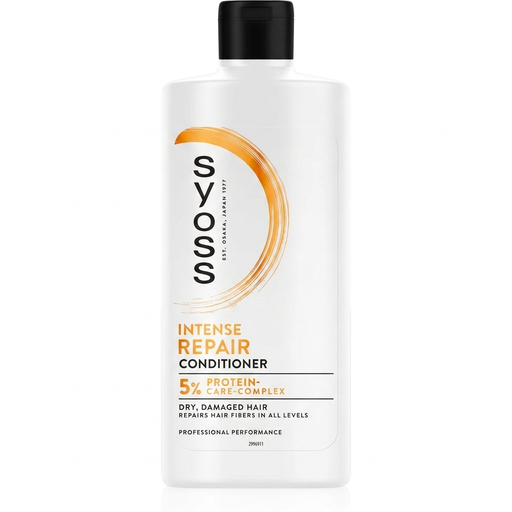
Why it suits this profile: The generous volume is practical for regular use, and the product information identifies damaged hair as its target hair type.
The variant and volume are clearly stated. This allows you to compare a specific formula rather than relying only on a general repair claim.
440 ml volume; recommended leave-on time of 2 to 3 minutes; contains keratin and soya protein according to the ingredients list.
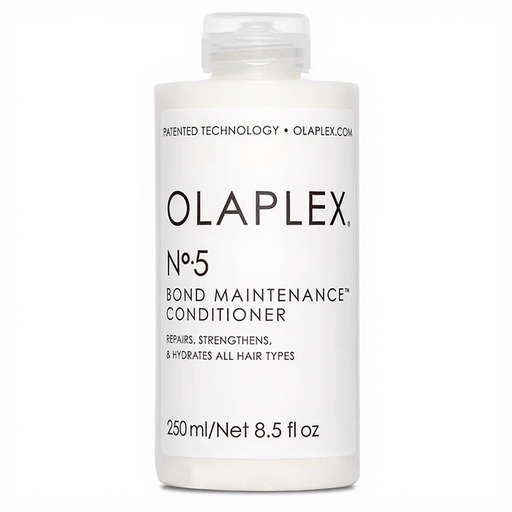
Why it suits this profile: An option for anyone specifically looking to care for coloured, bleached or chemically treated hair.
The product details specify features such as volume, target hair type, vegan credentials and colour-safe care. Check the current packaging for the definitive ingredients list.
250 ml volume; designed to hydrate and repair; product information states that it is sulphate-free and paraben-free.
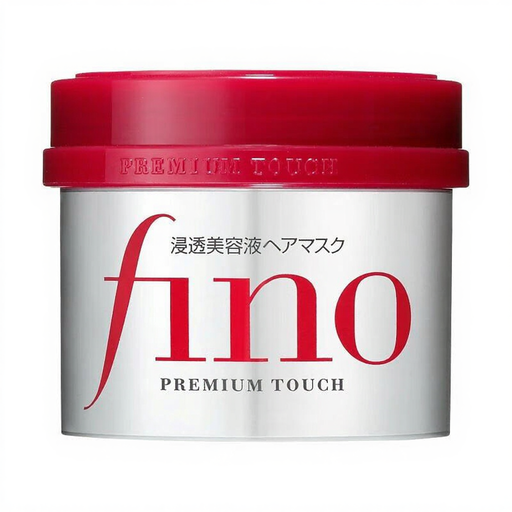
Why it suits this profile: A hair mask is suitable for dry, frizzy or damaged hair when you want to add extra weekly care.
The recommended frequency is clear: once or twice a week instead of a standard conditioner. This helps prevent overusing a rich product.
230 g volume; intended as a rinse-out hair treatment; pH-neutral according to the product details.
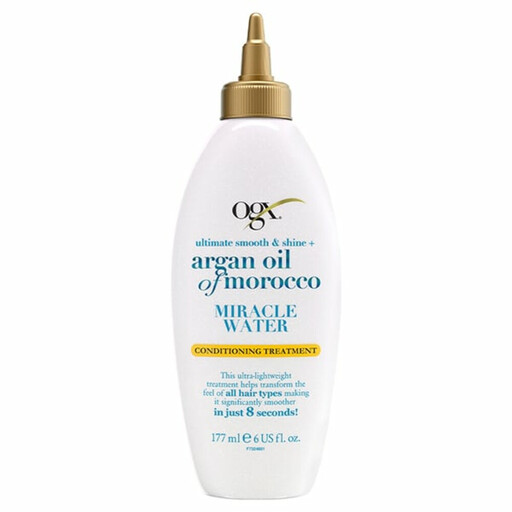
Why it suits this profile: According to the product description, the lightweight lamellar formula is designed to provide fast care without leaving hair feeling weighed down.
The instructions specify applying it to the lengths and ends two to three times a week. This helps limit product build-up at the roots.
177 ml volume; enriched with argan oil and silk amino acids according to the product description; stated processing time of 8 seconds.
We have put together a complete, up-to-date list of products that fully meet these strict selection criteria and the applicable European safety regulations.
Apply a standard hair conditioner after washing, once you have gently squeezed excess water from your hair. Distribute the product through the lengths and ends. Leave it on for the time stated on the packaging, then rinse thoroughly. Fine hair often only needs a small amount; thick or porous hair may require more product.
Do not automatically use a hair mask alongside a rich conditioner every time you wash your hair. Alternate between them and see how your hair responds. If it becomes limp or greasy quickly, use less product or choose a lighter formula.
That depends on your hair. Many people can use a standard conditioner after every wash. Use an intensive conditioner or hair mask according to the label, often once or a few times a week. If you have fine hair, using it less frequently may feel more comfortable.
Check the shelf-life information on the packaging. Many products feature an open-jar symbol, such as 12M, which means the product is intended for use for twelve months after opening. Keep the bottle or jar closed, dry and out of direct sunlight.
Conditioner is generally designed for regular use and a short processing time. A hair mask is often richer and is left on for longer. Choose conditioner for everyday ease of combing, and a hair mask as an additional hair treatment for dry, frizzy or damaged hair.
