
Vandaag of morgen in huis

Kwaliteit gegarandeerd

Welkomstaanbiedingen ontgrendelen: GRATIS bezorging | Tot 80% korting | Gratis 30 dagen JoyPlus-proefperiode
Download de app
Food supplements can be a practical addition to your daily diet. However, choosing the right product is not always straightforward. Packaging often highlights high dosages, lengthy ingredient lists and promises relating to energy, immunity, skin, hair or intimate wellbeing. This can make comparing products more difficult than it needs to be.
As a Joybuy Product Recommendation Officer, I filter market information based on verifiable product data. In this buying guide, you will learn what to look for in food supplements, which marketing claims require closer scrutiny and which formulas may suit different needs.
A large number on the front of the packaging does not automatically mean that a product is better suited to you. With Vitamin C 1000 mg, for example, the quantity is clear, but you should also check how often you take the product and whether you already get the same vitamin from a multivitamin.
Pay attention to:
Claims about herbal extracts, detox, libido, hormonal balance or weight management are not all equivalent. Ymea, for example, states that health claims relating to sage, green tea and other botanical ingredients are still awaiting European approval. According to the brand’s product information, these claims are therefore not the same as an authorised general nutrition claim.
For products containing turmeric curcumin, chlorella, maca, ashwagandha or shilajit, check:
Capsules, tablets, gummies and softgels differ in convenience, ingredients and dietary suitability. For example, Lucovitaal Vitamin D3 25 mcg contains gelatin and is not vegan. According to the product information, Lucovitaal Magnesium 375 mg Bisglycinate is vegan.
Also check for allergens. Omega 3 capsules made with fish oil are not suitable for vegans and contain fish as an allergen. Products with long ingredient lists may also contain unwanted substances, such as sweeteners, colourings or extracts to which you are sensitive.
Do not compare only the number of capsules—calculate how many days a pack will last. Examples:
A larger pack can be convenient, but first check whether the dosage is appropriate for your situation.
With omega 3, it is important to distinguish between fish oil and the actual amount of omega 3. The 120- and 60-capsule variants from Lucovitaal list the following per two capsules:
Compare EPA and DHA separately rather than looking only at the total weight of the fish oil.
For magnesium bisglycinate, check whether the stated amount refers to the magnesium itself or to the compound. Lucovitaal’s product information lists 375 mg magnesium bisglycinate per daily serving of two tablets. Always check the label on the packaging before purchasing.
For vegan food supplements, the capsule material and excipients are important. Look out for terms such as gelatin, fish oil, milk, soya and bee products. For adult supplements containing herbal extracts, medication use, pregnancy and breastfeeding are also important considerations.
Do not use food supplements as a substitute for a varied diet. If you take medication or have a medical condition, ask a doctor or pharmacist for advice.
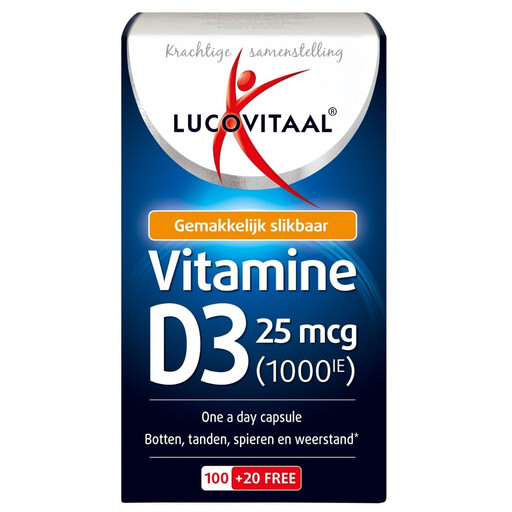
Why it fits: A straightforward choice for adults who want to take one capsule per day and clearly monitor the dosage.
The packaging states that each capsule contains 25 mcg of vitamin D3, with 120 capsules in total. Note that the capsule contains gelatin and is not vegan.
120 capsules, one capsule per day and a capsule format described in the product information as easy to take.
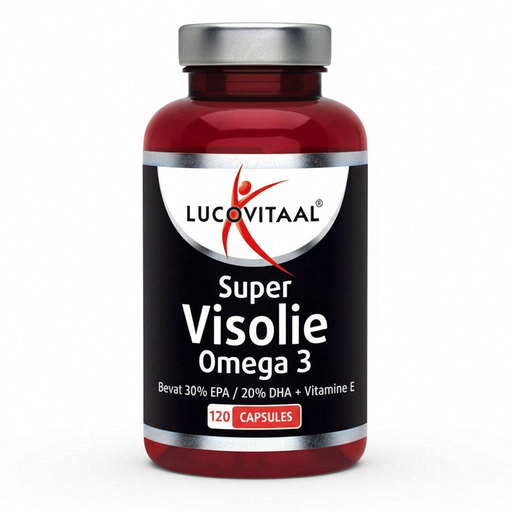
Why it fits: For anyone who wants to compare EPA, DHA and the total omega 3 content when choosing omega 3 capsules.
The product information breaks down the fish oil into 1204 mg omega 3, 600 mg EPA and 400 mg DHA per two capsules.
120 capsules, added vitamin E and a clear daily serving of two capsules. Contains fish.
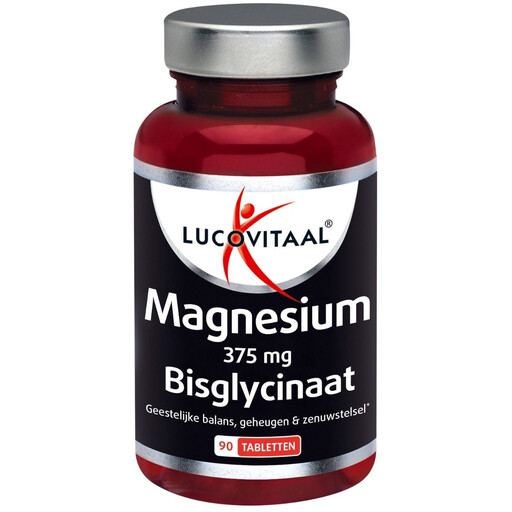
Why it fits: Designed for adults specifically looking for magnesium bisglycinate in a vegan formula.
The form and daily serving are specified: according to the product information, two tablets provide 375 mg of magnesium bisglycinate.
90 tablets, vegan according to the product information and a clear warning that a laxative effect may occur.
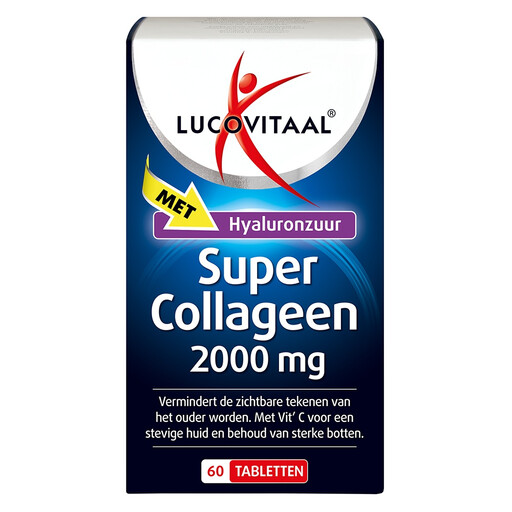
Why it fits: For adults who want to combine collagen, vitamin C and hyaluronic acid in a single formula.
The formulation lists 2000 mg hydrolysed collagen, 80 mg vitamin C and 40 mg hyaluronic acid per daily serving.
60 tablets and a simple daily serving of two tablets. The product information advises against taking it together with dairy drinks.
Explore our current range of natural supplements and compare ingredients, dosages, pack sizes and dietary preferences.
Check both the vegan logo and the ingredient list. Magnesium bisglycinate and Vitamin C 1000 mg are examples of products that are vegan according to the supplied product information. Vitamin D3 can come from different sources; the 25 mcg variant contains gelatin. Omega 3 from fish oil is not vegan. If you are looking for plant-based omega 3, specifically look for algae oil.
Only after checking your total intake. A multivitamin may already contain vitamin D3, zinc, copper, vitamin C and other vitamins. Do not automatically combine it with zinc containing copper, hair vitamin gummies or additional vitamin D3. If you take medication, are pregnant or breastfeeding, or have a medical condition, consult a doctor or pharmacist.
Check the expiry date and storage instructions on the label. Capsules and tablets should generally be stored in a dry place, tightly closed and away from direct sunlight. Gummies may be more sensitive to temperature after opening; Lucovitaal’s product information advises using them within 60 days. For fish oil, refrigeration after opening may help preserve freshness, according to the product advice.
