
Vandaag of morgen in huis

Kwaliteit gegarandeerd

Welkomstaanbiedingen ontgrendelen: GRATIS bezorging | Tot 80% korting | Gratis 30 dagen JoyPlus-proefperiode
Download de app
A face serum can be a useful step between cleansing and moisturising. However, it's not wise to rely solely on terms like 'glow', 'anti-ageing', or 'intensive correction'. The right choice depends mainly on your skin type, the active ingredients, and how easily the product fits into your routine.
For shoppers, there are three common pitfalls:
A hydrating serum often contains humectants like glycerine, panthenol, and hyaluronic acid. These ingredients help to attract moisture and are usually a good match for dry or dehydrated skin. A formula with multiple types of hyaluronic acid, like Torriden DIVE IN, combines five types of hyaluronic acid with panthenol, ceramide NP, and beta-glucan, according to the product description.
For a serum for sensitive skin, a short ingredients list, a fragrance-free formula, and a gradual introduction are practical. Centella asiatica, panthenol, and allantoin are regularly found in soothing formulas. However, always check the current ingredients list on the packaging.
For oily or acne-prone skin, a niacinamide serum or azelaic acid serum can be a good option. SKIN1004 Azelaic Acid 10% Ampoule states it has a niacinamide-free formula with 10% azelaic acid and centella asiatica. This could be suitable for someone who wants to consciously avoid niacinamide. The product description mentions supporting a more even skin texture and a calmer appearance; these are brand and product claims, not guaranteed outcomes.
A percentage only tells you about the amount of one ingredient. It doesn't tell you how your skin will react to the complete formula.
Don't use multiple strong active serums at the same time if your skin isn't used to them. It's best to introduce one new product at a time.
A fragrance-free formula can be a logical choice if you want to avoid scents in your skincare. According to the product information, Embryolisse Hydra Serum is dermatologically tested and suitable for all skin types, but the ingredients list does mention perfume and limonene. This makes it less suitable for someone who wants to buy strictly fragrance-free.
Also, look at the texture:
When trying a new product, first perform a small patch test on a limited area of skin. Stop using it if you experience persistent redness, itching, swelling, or a burning sensation, and contact a doctor or pharmacist if in doubt.
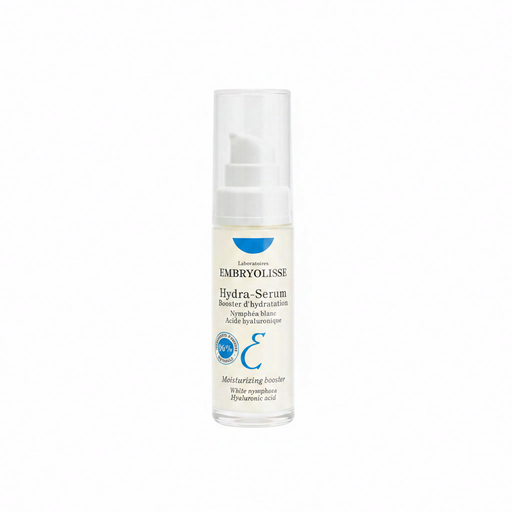
Why it suits this profile: A simple daily hydration step with a light texture and a 30 ml size.
The product information mentions hyaluronic acid and a fast-absorbing formula, so you don't start with multiple strong actives right away.
30 ml, light lotion texture, suitable for all skin types according to the product description. Please note: the ingredients list mentions perfume.
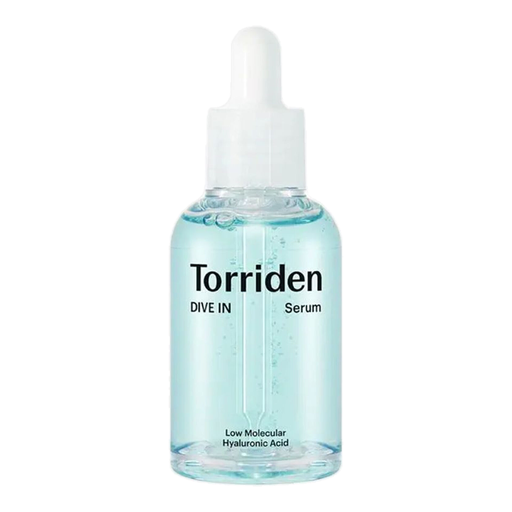
Why it suits this profile: Suitable for those looking for a larger size and a fragrance-free, vegan formula for daily use.
The specifications specifically name five types of hyaluronic acid and additional ingredients, rather than just a general promise of 'glow'.
50 ml, fragrance-free and vegan according to the product description; with panthenol, ceramide NP, and beta-glucan.
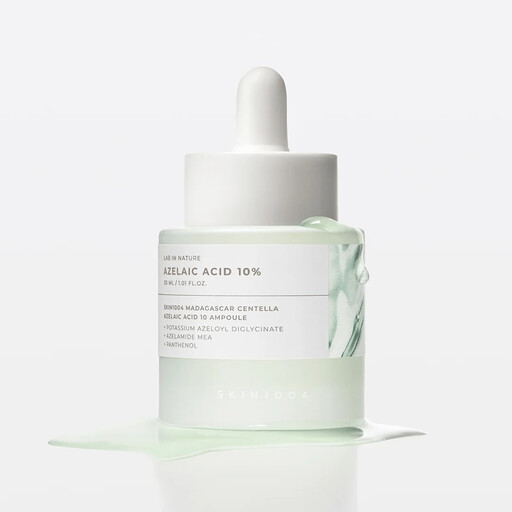
Why it suits this profile: For those who want to specifically incorporate an azelaic acid serum into a routine for blemish-prone or sensitive skin.
The product information advises starting with a small amount every other day. This prevents you from building up an active ingredient too quickly.
10% azelaic acid, niacinamide-free, and supplemented with centella asiatica; compact 9 ml size.
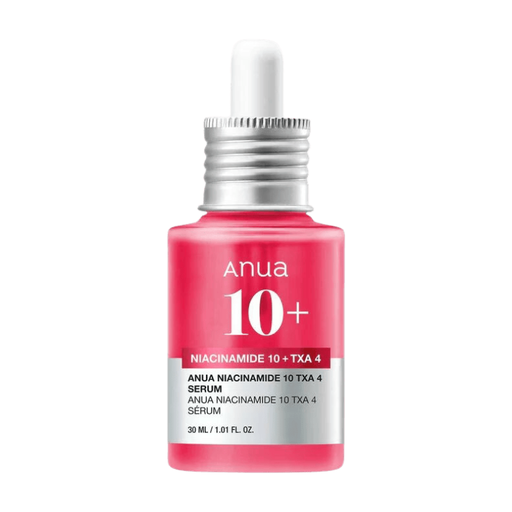
Why it suits this profile: For users who want to combine niacinamide and tranexamic acid in one routine to address an uneven skin tone.
The formula lists exact concentrations: 10% niacinamide and 4% tranexamic acid. This allows you to make a more informed comparison than just relying on the term 'brightening'.
30 ml, fragrance-free and alcohol-free according to the product specifications; also contains hyaluronic acid and alpha-arbutin.
We have compiled a complete, up-to-date list of products that fully meet these strict selection criteria and comply with current European safety regulations.
First, cleanse your face and, if you wish, use a toner. Then, apply a small amount of serum, usually a few drops, and finish with a moisturiser. If you use the serum in the morning, apply sunscreen as the final step. Always follow the instructions for the specific product.
That varies by formula. Check the expiry date and the period-after-opening symbol on the packaging. Vitamin C serums and products with retinal can be particularly sensitive to light, heat, and air. Store them as the manufacturer recommends and close the packaging immediately after use.
Sometimes you can, but build up gradually. Don't immediately combine multiple strong actives like high-concentration vitamin C, retinal, and exfoliating ingredients. Use one serum for a few weeks first, and only add a second one if your skin remains comfortable. A simple hydrating serum is often easier to combine than multiple correction-focused formulas.
