
Vandaag of morgen in huis

Kwaliteit gegarandeerd

Welkomstaanbiedingen ontgrendelen: GRATIS bezorging | Tot 80% korting | Gratis 30 dagen JoyPlus-proefperiode
Download de app
A face mask might seem simple to choose: you pick an attractive pack, read “hydrating” or “brightening”, and head to the checkout. Yet the wrong choice can lead to waste, an impractical routine, or skin that feels tight and uncomfortable. With Korean face masks in particular, texture, wear time, ingredients and frequency of use vary enormously.
The following points will help you assess marketing claims more critically and select a mask that suits your skin type and daily schedule.
Words like “glow”, “firming”, “anti-ageing” and “pore-minimising” usually describe a product’s intention, not a guaranteed result. According to the brand’s own research, 100% of participants in a study of 20 women experienced an improvement in elasticity, firmness and radiance. You cannot automatically assume that result applies to every user.
Instead, start by looking at verifiable information:
A sheet mask, hydrogel mask or clay mask does not automatically work better if you leave it on longer. A sheet mask can dry out, while clay can leave the skin feeling tight if used too frequently. Follow the recommended wear time and adjust the frequency to your skin.
If you have sensitive skin, it’s wise to do a patch test. Stop if you experience stinging, redness or any other discomfort. Also, do not use a face mask on damaged or irritated skin.
A product description may state that a mask is suitable for all skin types, but individual ingredients can still be less than ideal. Pay attention to fragrance allergens, essential oils, acids, retinol and exfoliating powders. A soothing face mask with tea tree oil may feel pleasant for one person but less suitable for another.
Sheet masks are pre-soaked fabric masks that you typically use for 15 to 30 minutes. They’re handy for a hydrating face mask after cleansing or when you’re short on time. A pack containing multiple sachets is practical if you like to switch things up regularly.
Hydrogel masks often adhere closely to the skin and usually contain a concentrated essence. Some varieties turn transparent as you wear them and have a wear time of several hours. That makes them ideal for a relaxed evening routine, but less suited to a quick morning.
Clay masks with ingredients like kaolin or bentonite are designed for deep cleansing. According to the product description, they can help remove excess sebum and impurities from the skin’s surface. Use them mainly on areas that get oilier, and rinse off thoroughly.
For hydration, you’ll often see glycerin, panthenol, betaine, hyaluronic acid or sodium hyaluronate. A brightening face mask might contain niacinamide, for example, but “brightening” doesn’t guarantee that pigmentation spots will disappear.
With a collagen mask, it’s worth checking whether collagen extract or hydrolysed collagen appears in the ingredients list. The presence of collagen in a mask does not in itself prove that the skin will change structurally.
Pay extra attention to:
A pack of 10 sheet masks may look like good value, but always compare the total volume and the frequency of use. The Daily Mask Pack Saturday contains 10 masks of 20 ml, divided across different themes such as soothing, moisture, brightening and “tightening”.
A hydrogel mask often contains fewer pieces but has a longer wear time. The Biodance masks, for example, contain 4 masks of 34 grams. Also check whether you need to rinse the mask off, wear it for 15 to 20 minutes, or leave it on for several hours.
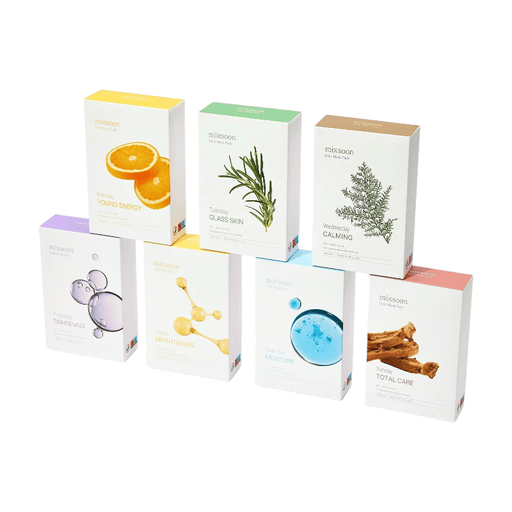
Why it suits this profile: Ten individual sheet masks give you room to try out different skincare goals without having to buy several separate packs straight away.
The contents are clearly specified as 20 ml x 10. Do check the label for each variant, as the Thursday mask contains retinol.
200 ml total, seven themes and a fixed wear time of 20–30 minutes according to the product information.
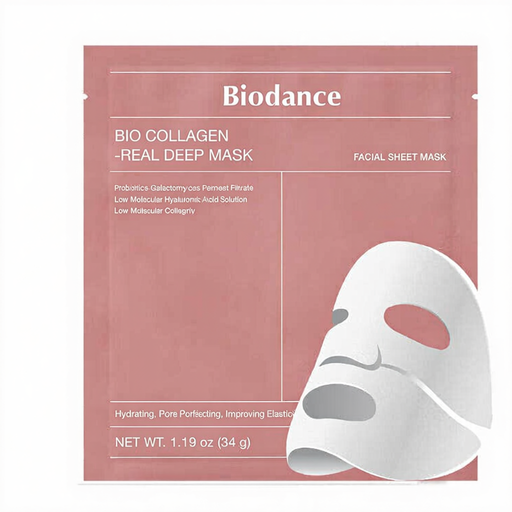
Why it suits this profile: The hydrogel structure and long wear time are ideal for an extensive evening routine or a weekly pampering session.
The product information states a wear time of 3–4 hours or overnight, so you don’t have to guess how long to leave the mask on.
Four hydrogel masks of 34 grams each, with collagen extract, glycerin and hydrolysed hyaluronic acid in the ingredients list.
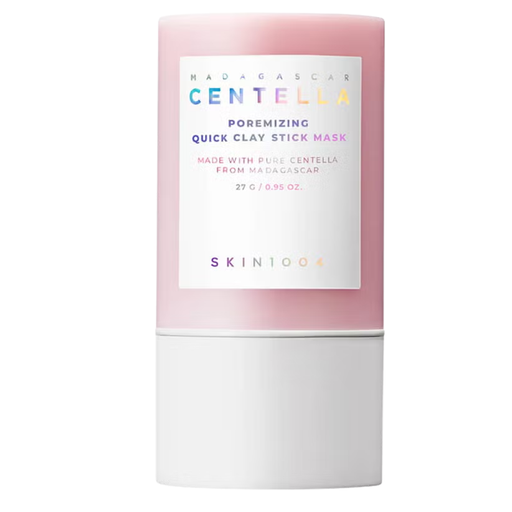
Why it suits this profile: The stick format is handy for targeted application, for example on the T-zone, and minimises mess during application.
The practical packaging makes dosing easier than with a loose pot. The product page mentions suitability for different skin types.
Clay mask in a 27g stick; ideal for a quick, targeted routine.
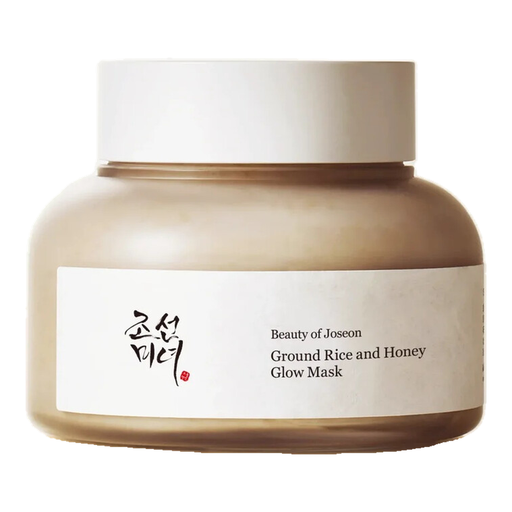
Why it suits this profile: A 150 ml tube is ideal for those who prefer a wash-off mask and like to control the amount they use.
The product description lists kaolin, honey and rice powder, so the cleansing and nourishing character is verifiable.
Rinse off after 15–20 minutes; contains kaolin and bentonite for a clay-mask-style application.
We’ve put together a full, up-to-date list of products that fully meet these strict selection criteria and comply with current European safety regulations.
Store opened packs tightly sealed, in a dry place away from direct sunlight. Do not reuse single-use masks.
It depends on the type. A hydrating sheet mask can be used several times a week, according to the product instructions. A clay mask or product containing acids usually calls for more restraint. Start with once a week and see how your skin responds.
It can be, but check the ingredients first. If in doubt, avoid products with fragrance allergens, essential oils, retinol or multiple acids. A patch test on a small area of skin gives you extra information, but it doesn’t completely rule out a reaction on the face.
Check the expiry date and batch information on the packaging. Use an opened sachet straight away. Store an opened pot or tube according to the manufacturer’s instructions and close it carefully after each use.
