
Vandaag of morgen in huis

Kwaliteit gegarandeerd

Welkomstaanbiedingen ontgrendelen: GRATIS bezorging | Tot 80% korting | Gratis 30 dagen JoyPlus-proefperiode
Download de app
Buying a face cream seems simple enough – until you have to choose between a hydrating face cream, a Korean face cream, a moisturiser for the face, a day cream or a night cream. Marketing terms like “intensive repair”, “100 hours of hydration” and “anti-ageing” don’t always tell you enough about the formula itself.
The right choice starts not with the packaging, but with your skin type, preferred texture, ingredients and when you’ll use it.
Brands are allowed to communicate their own research results and product claims, but these aren’t automatically a guarantee for every user. According to Clinique’s own research, the Moisture Surge formula offers up to 100 hours of hydration. That’s a brand claim; you can’t assume every skin type will achieve that result.
So also look at verifiable details, such as:
A face cream with hyaluronic acid might sound appealing, but the overall formula determines how the product feels. Glycerin, panthenol, ceramides, oils, silicones and emollients all play a part too.
A cream for dry skin often contains more emollient or occlusive ingredients. For oily or combination skin, a light, oil-free gel-cream can be more comfortable. A cream for sensitive skin really needs a short, straightforward ingredients list that your skin already tolerates well.
A day cream for the face doesn’t need to be heavy and should sit well under sunscreen or make-up. A night cream for the face can feel richer, because you don’t need to apply make-up over it. If you’re using a formula with exfoliating ingredients, such as glycolic acid, follow the product instructions carefully and use a sunscreen product during the day.
A face cream with hyaluronic acid is aimed at binding moisture in the skin. Ceramides and cholesterol are often used in formulas that support the skin barrier. Niacinamide appears in, for example, a face cream with niacinamide and is used by brands to care for an uneven appearance and a comfortable skin.
These properties are not medical treatments. If redness, itching or irritation persists, it’s wise to stop using the product and seek professional advice.
Don’t just compare the price – compare the volume too. A 100 ml pot can be better value per millilitre than a 30 ml or 50 ml pot, while a smaller size is handy for trying out a formula for the first time.
Check the expiry date and the period after opening on the packaging. Use an opened cream according to those instructions. Store the product in a cool, dry place away from direct sunlight, and close the packaging properly.

Why this fits the profile: The 100 ml size is practical for daily use and the gel-cream can be applied both during the day and in the evening.
The product description mentions five types of hyaluronic acid and a light texture, so you’re not relying solely on a general hydration claim.
100 ml; contains glycerin, panthenol, ceramide NP and multiple forms of hyaluronic acid.

Why this fits the profile: The oil-free gel-cream is designed for different skin types and can be used as a moisturiser, primer or quick mask.
Alongside the brand claim about long-lasting hydration, the oil-free, fragrance-free and non-comedogenic formula features are clearly stated.
75 ml; oil-free; fragrance-free; suitable for dry, combination and oily skin according to the product information.
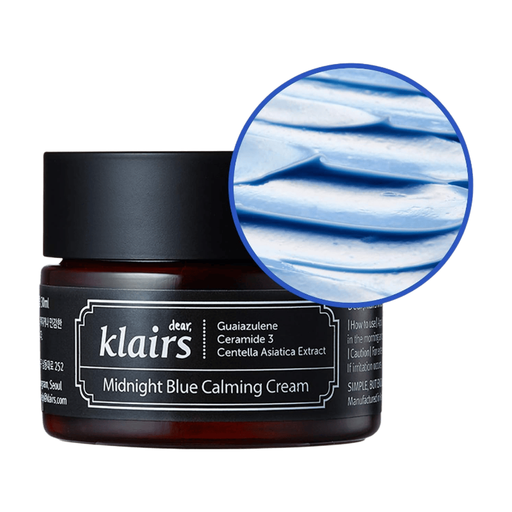
Why this fits the profile: According to the product description, the cream is intended as the last step in your evening routine and can be applied as a spot treatment.
The targeted application stops you automatically using a heavy cream all over your face. The formula is described as fragrance-free.
30 g; contains centella asiatica, ceramide NP and guaiazulene; suitable for use as an evening treatment.
We’ve put together a full, up-to-date list of products that fully meet these strict selection criteria and comply with current European safety regulations.
A night cream for the face can be used as the last step. A light moisturiser for the face often sits better under make-up. If you’re looking for an anti-ageing face cream, it’s a good idea to check the ingredients and usage instructions rather than just following the term “anti-ageing” on the packaging.
That depends on your skin and the formula. Many products are intended for use in the morning and evening. Start with a small amount and adjust the frequency if your skin feels tight, oily or irritated.
Fragrance-free can be a useful filter for sensitive skin, but it’s no guarantee that everyone will tolerate the product. Check the full ingredients list and test the cream on a small area of skin first.
Follow the symbol and instructions on the packaging, for example “6M” for six months after opening. Keep the cream sealed, cool and dry. If the smell, colour or texture changes, stop using it and check the expiry information.
