
Vandaag of morgen in huis

Kwaliteit gegarandeerd

Welkomstaanbiedingen ontgrendelen: GRATIS bezorging | Tot 80% korting | Gratis 30 dagen JoyPlus-proefperiode
Download de app
A face cream may seem easy to choose, but products vary considerably in texture, ingredients and intended use. A gel cream for oily skin has different properties from a rich cream for dry skin. A product containing Centella Asiatica, ceramides or retinol will not automatically suit every skincare routine.
If you focus only on terms such as “intensive”, “glow” or “barrier repair”, you may end up buying a product that is too heavy, too light or unsuitable for your skin. With these practical checks, you can compare a moisturising face cream using information you can verify.
Words such as “soothing”, “anti-ageing” and “repairing” often describe the purpose of a formula, but they do not say exactly how your skin will respond. According to a brand’s own research or communications, certain ingredients may contribute to a particular skin feel or appearance. This is not a guarantee for every user.
So always check the full ingredients list and the directions for use. A skin barrier repair cream containing ceramides may be worth considering for dry skin, while a lightweight facial moisturiser may be better suited to oily or combination skin.
Centella Asiatica, hyaluronic acid and niacinamide are found in many Korean skincare creams. However, the overall experience of using a product is not determined by one ingredient alone. The balance between humectants, oils, silicones, emulsifiers and any added fragrance is just as relevant.
For example, a Centella Asiatica cream may be lightweight and gel-like, while another formula containing the same botanical extract may feel rich instead. Always check the texture, skin type information and ingredients list.
A cream for sensitive skin is not automatically free from perfume or essential oils. Check the packaging for terms such as “fragrance”, “parfum”, limonene or linalool. If you have sensitive skin, a patch test is advisable. Stop using the product if persistent redness, itching, swelling or a burning sensation occurs, and seek advice from a healthcare professional if necessary.
Glycerine, hyaluronic acid and panthenol are often described in product information as helping to attract moisture or keep skin feeling comfortable. Ceramides, cholesterol and fatty acids are widely used in formulas designed to support the skin barrier. A ceramide cream is therefore particularly worth considering if you want to care for dry or tight-feeling skin.
Extra care is needed with products containing retinol, acids, vitamin C or tranexamic acid. Use them according to the instructions and combine them with sun protection during the day when recommended on the label.
Do not compare the price alone; also check the size. Popular sizes in this selection include 15, 30, 50, 60, 75, 80 and 100 ml. Check the expiry information on the packaging and close the jar or tube properly. A face cream is usually applied as the final step in your skincare routine, after cleansing and any serum. During the day, sun cream is the final protective step.
A product for eczema or psoriasis is a separate category. Lucovitaal Eczema Psoriasis Intensive Cream is offered as a medical device. Read the package leaflet carefully and do not use it as a substitute for medical advice.
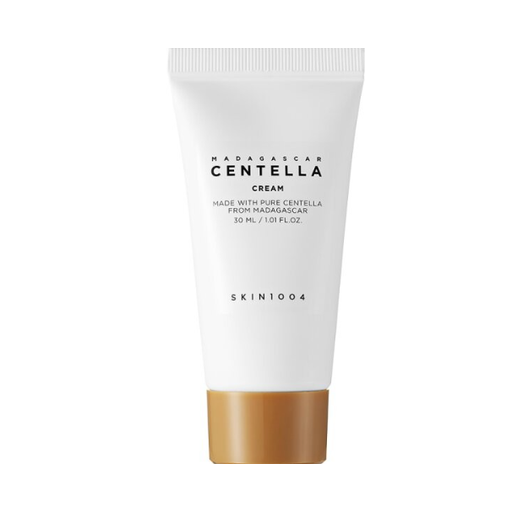
Why it suits this profile: The lightweight formula is intended for normal and sensitive skin, making it a practical introduction to a Centella Asiatica cream for everyday use.
The product information describes the texture as lightweight and fast-absorbing. This gives you a clearer idea of what to expect than a general claim such as “for all skin types”.
According to the product description, it contains Centella Asiatica, panthenol and TECA; 30 ml is a convenient size for trying a smaller amount first.
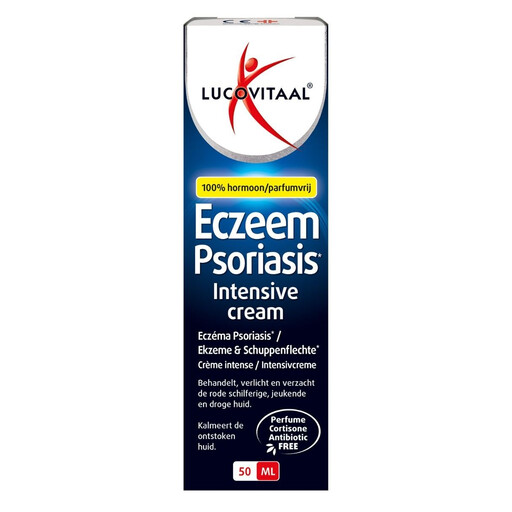
Why it suits this profile: Designed for adults specifically looking for an eczema and psoriasis cream for affected skin, and who carefully follow the directions for use.
It is clearly labelled as a medical device and comes with instructions. Do not therefore use it as a general everyday face cream without further consideration.
According to the product information, it is fragrance-free and contains no cortisone or antibiotics; the formula lists DDS5 and MDS17. Read the package leaflet before use.
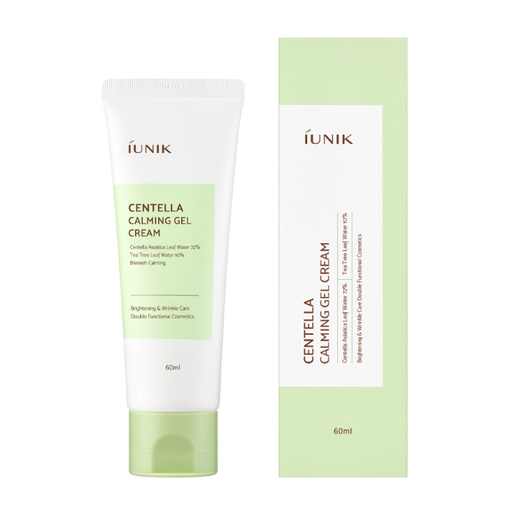
Why it suits this profile: According to the product information, this gel cream for oily skin is lightweight, non-sticky and suitable for oily, combination or sensitive skin.
The texture and intended skin types are clearly described. This is helpful for users who want to avoid a heavy, greasy cream under make-up.
According to the product information, it contains Centella Asiatica, tea tree extract, niacinamide and adenosine; the gel texture absorbs quickly.
We have put together a complete, up-to-date list of products that fully meet these strict selection criteria and the applicable European safety regulations.
Look for a cream for dry skin containing glycerine, hyaluronic acid, panthenol, shea butter, squalane or ceramides. A richer formula may feel particularly comfortable in the evening. Apply the cream to slightly damp skin if this is appropriate according to the directions for use.
This varies from product to product. Many facial moisturisers are designed for use in the morning and evening. If you have sensitive skin, start with a small amount and do not introduce several new products at once. This makes it easier to assess how your skin responds.
Follow the expiry date and the period-after-opening information on the packaging. Store the cream closed, in a dry place and away from direct sunlight. A change in smell, colour or texture may be a reason to stop using the product. Check the manufacturer’s specific instructions for each product.
