
Vandaag of morgen in huis

Kwaliteit gegarandeerd

Welkomstaanbiedingen ontgrendelen: GRATIS bezorging | Tot 80% korting | Gratis 30 dagen JoyPlus-proefperiode
Download de app
Buying a face cream seems simple enough – until you have to choose between a hydrating face cream, a cream for dry skin, a Korean face cream or a barrier-repair cream. A high price tag or eye-catching packaging doesn’t tell you much about whether a formula will actually feel good on your skin.
Pay particular attention to three common pitfalls:
A face cream can combine different types of ingredients. Glycerine, hyaluronic acid and panthenol are often used to attract moisture or leave the skin feeling comfortable. A face cream with hyaluronic acid is particularly worth considering if your skin feels tight or dehydrated.
Shea butter, squalane, jojoba oil and macadamia oil are examples of nourishing components that can give a richer skin feel. They often suit a cream for dry skin or a nourishing night cream. Do pay attention to the overall formula: it’s not just one popular ingredient that determines how a product feels.
For dry or sensitive skin, a formula with ceramides, cholesterol, fatty acids or panthenol could be a good choice. Ceramides, for example, are found in a face cream with ceramides and are used in products designed to support the skin’s protective layer.
A barrier-repair cream is not a medical treatment. Brand product descriptions may praise its effects, but that’s no guarantee for every skin type. Introduce new products gradually and stop if irritation persists.
Check whether a product contains perfume or fragrance ingredients. The NIVEA Moisturizing Cream, for example, lists limonene, geraniol, benzyl benzoate and fragrance. This can be an important consideration for some users, especially those with sensitive skin.
A cream with glycolic acid, such as Topicrem AH THEAVIT Renewing Cream, has a different purpose to a simple moisturising cream. According to the product description, this formula contains an AHA for exfoliating care. Don’t automatically use such products several times a day, and combine them with sun protection during the day.
The right choice depends on how your skin feels, your routine and your ingredient preferences. A nourishing day cream can be lighter than a nourishing night cream. For daily use, a formula that glides on nicely and doesn’t leave an unwanted scent or sticky layer is often more important than a long list of claims.
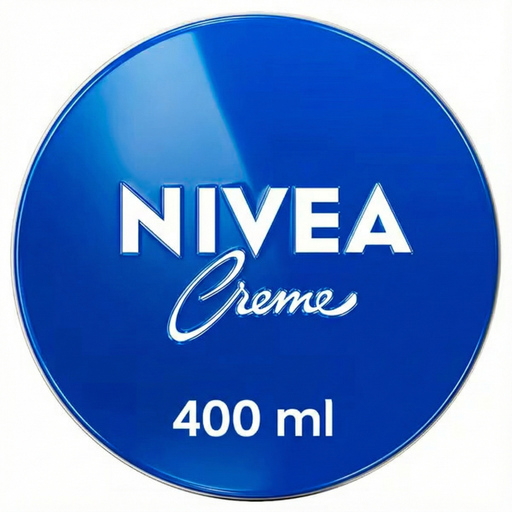
Why this fits the profile: The large tub is ideal for anyone looking for one simple cream for face and body. According to the product information, the formula contains panthenol and is designed for dry and sensitive skin.
The product listing clearly states the contents and intended use. Do check the listed fragrance ingredients if you’re looking for a cream for sensitive skin without perfume.
400 ml content; suitable for face and body; panthenol and glycerine listed in the ingredients.
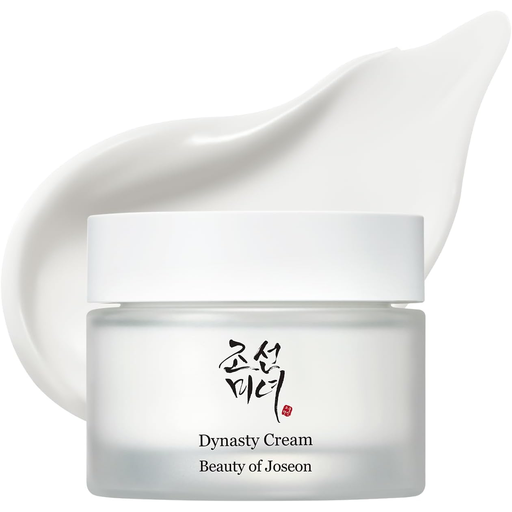
Why this fits the profile: This Korean face cream suits users who want multiple nourishing ingredients in one formula. The ingredients list includes niacinamide, sodium hyaluronate, panthenol and various plant extracts.
The formula isn’t based on just one trendy ingredient. Do check the full list if you’re sensitive to honey, propolis or botanical extracts.
Rich cream texture; lists niacinamide and hyaluronic acid; suitable for morning and evening use according to the product information.
We’ve put together a full, up-to-date list of products that fully meet these strict selection criteria and comply with current European safety regulations.
Apply the cream after cleansing and, if you use one, after a toner or serum. Use a small amount and spread it over your face and neck. You could try a rich formula just in the evening at first. During the day, a suitable sunscreen should be part of your routine if you’re paying extra attention to skin ageing.
Keep the pot or tube tightly closed, out of direct sunlight and according to the instructions on the packaging. Check the expiry date and the period-after-opening symbol. Don’t share a face cream with others and don’t use a product on broken skin.
Look for a cream with hydrating ingredients such as glycerine or hyaluronic acid and nourishing ingredients like shea butter, squalane or plant oils. A cream for dry skin can feel rich, but shouldn’t be uncomfortably sticky.
Many moisturisers are designed for morning and evening use, but always follow the product packaging. If you have sensitive skin, start with once a day and introduce new products one at a time. That way, you can see more clearly how your skin reacts.
The shelf life varies from product to product. Check the expiry date and the period-after-opening symbol on the packaging. Store the cream in a cool, dry place away from direct sunlight. If the scent, colour or texture changes, stop using the product.
