
Vandaag of morgen in huis

Kwaliteit gegarandeerd

Welkomstaanbiedingen ontgrendelen: GRATIS bezorging | Tot 80% korting | Gratis 30 dagen JoyPlus-proefperiode
Download de app
A face cream might seem like a straightforward product, but the options vary widely in texture, ingredients and usage. Whether you're looking for everyday hydration, a day cream with SPF, a night cream or a cream with vitamin C, retinol or niacinamide, it's important to look beyond the packaging.
A body cream may feel lovely on dry arms or legs, but it isn't automatically suitable for your face. The formula can be richer, may contain fragrance or might not work well with combination or oily skin. Always check the area of application. A product intended for both face and body will usually state this clearly on the packaging.
Terms like "radiant", "restorative" or "anti-ageing" often describe a brand's positioning. Based on a brand's own research or a user test they've cited, a formula might show a certain level of hydration or a smoother skin feel. That's no guarantee for every user.
Instead, look for verifiable information, such as:
A vitamin C cream, niacinamide cream and retinol cream can each have their place in a routine. However, starting several active formulas at the same time increases the risk of a tight or irritated feeling. Begin with one new product and build up usage gradually. With retinol, extra caution is needed: follow the instructions, generally use it in the evening and combine it with sun protection during the day.
For dry skin, choose a hydrating face cream with ingredients like glycerine, panthenol, shea butter, hyaluronic acid or vitamin E. A cream with a richer texture can be comforting, especially in winter or when your skin feels tight.
For a cream for sensitive skin, a short ingredients list is often practical. Look out for fragrance, essential oils and alcohol if your skin reacts badly to them. A product that the manufacturer says has been dermatologically tested gives information about the compatibility test carried out, but it doesn't mean every skin type will tolerate it without issue.
A light gel cream or moisturiser can be enough for normal and combination skin. Apply a thinner layer to areas that get shiny more quickly and a little more on drier parts.
Pay particular attention to texture and how it feels on the skin. A non-greasy formula can be more practical than a very occlusive cream. "Non-comedogenic" is a claim made by the manufacturer; also check whether it contains fragrance or other ingredients you haven't tolerated well before.
The ingredients list is in descending order of quantity, with exceptions for ingredients used in small concentrations. Look specifically for glycerine, niacinamide, panthenol, hyaluronic acid, vitamin E or retinol. An ingredient listed high up doesn't automatically mean the cream is right for your skin.
A face cream with SPF can be handy for a daily routine. According to the product information, NIVEA Essentials Hydrating Day Cream contains SPF 15. That's a product specification, but the amount you need and reapplying remain important. For prolonged sun exposure, a separate sunscreen with an appropriate protection factor is often more practical.
Check the expiry date and the symbol for shelf life after opening, such as 6M or 12M. Store the cream as directed on the label, away from direct sunlight and with the lid firmly closed. A pot requires clean hands; a tube generally limits contact with the contents.
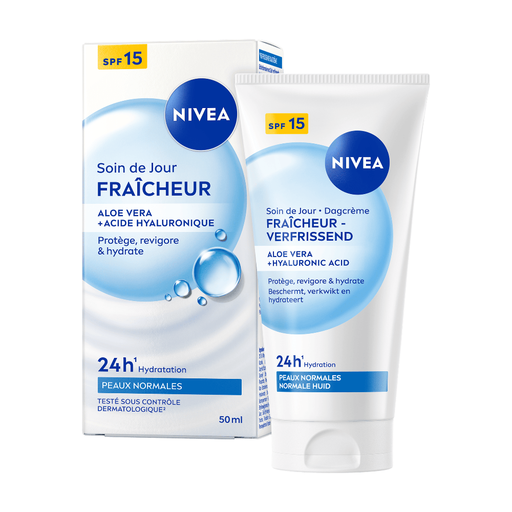
Why this fits the profile: A straightforward day cream for normal skin, with 50 ml and SPF 15 for daily use.
The product is clearly described as a day cream for the face, so you won't accidentally pick a body cream.
SPF 15, glycerine, hyaluronic acid and a 50 ml size.
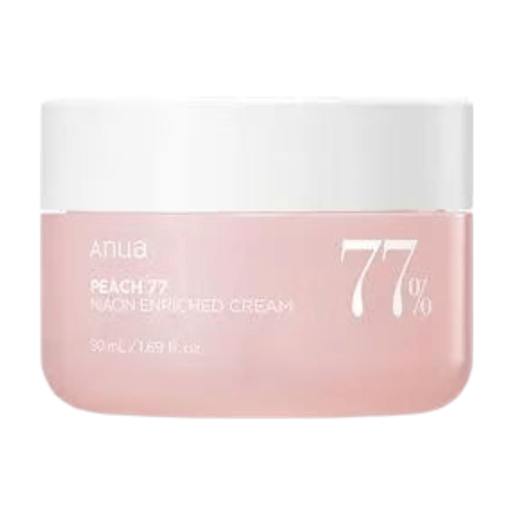
Why this fits the profile: For anyone seeking a modern moisturiser with niacinamide, panthenol, ceramide NP and hyaluronic acid.
The product page lists the ingredients and usage instructions, so you can compare the formula rather than relying on the packaging alone.
50 ml; niacinamide, glycerine, panthenol, ceramide NP and sodium hyaluronate in the ingredients list.
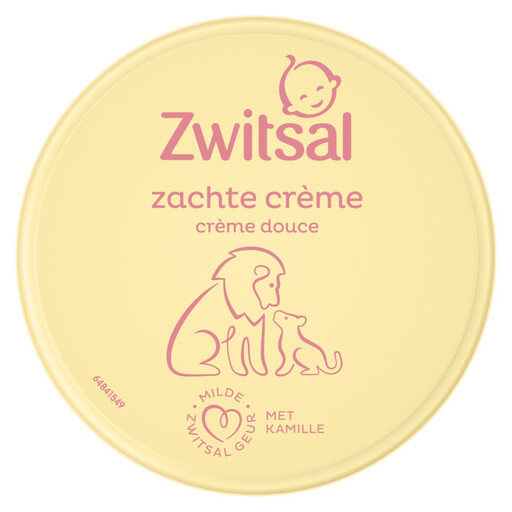
Why this fits the profile: A generous cream for dry patches on face and body, when a richer texture is desired.
The product information explicitly mentions face and body, pH-neutral for skin and use on dry patches.
200 ml, glycerine, paraffinum liquidum and vitamin E; dermatologically tested according to the product information.
We've put together a full, up-to-date list of products that fully meet these strict selection criteria and comply with current European safety regulations.
For most routines, once in the morning and once in the evening after cleansing is sufficient. Use a day cream with SPF during the day. If you have dry skin, you can apply an extra thin layer to specific areas, as long as it feels comfortable.
Check the expiry date and the open-jar symbol on the packaging. If it says "6M", the manufacturer recommends using the product within six months of opening. Store the cream in a cool, dry place with the lid firmly closed. A change in smell, colour or texture is a reason to stop using the product.
No. The price doesn't just reflect the formula; it also covers packaging, brand positioning and distribution. Compare the size, ingredients, application and skin type. A simple hydrating face cream can be enough for daily care, while an active cream is best suited to a specific routine.
