
Vandaag of morgen in huis

Kwaliteit gegarandeerd

Welkomstaanbiedingen ontgrendelen: GRATIS bezorging | Tot 80% korting | Gratis 30 dagen JoyPlus-proefperiode
Download de app
A conditioner can make your hair feel softer and easier to comb through after washing. However, not every hair conditioner is suitable for every hair type. A rich formula can leave fine hair feeling limp, while a lightweight conditioner may not be enough for dry or damaged hair.
What’s more, the packaging doesn’t always tell the full story. So don’t just look at words like “restorative”, “intensive” or “natural” – pay close attention to the hair-type indication, ingredients list, volume and instructions for use.
Words like “repair”, “strengthening” and “2x more shine” sound appealing. According to a brand’s own research or the product description, such claims may have been measured under certain conditions. That doesn’t mean the result will be the same for every user.
So think of a restorative conditioner as a treatment that can make hair feel smoother and more manageable. It doesn’t literally make damaged hair healthy again.
Oils, butters and silicones can help dry lengths feel smoother. However, on fine hair they can quickly cause a heavy or greasy feeling, especially if you apply the conditioner to the roots.
For conditioner for fine hair, a lightweight formula, a small amount and application from the mid-lengths downwards is usually more practical.
A purple conditioner is designed for blonde, grey or highlighted hair. The purple pigments can help visually neutralise unwanted yellow or brassy tones, as described in the product information for toning products. It is not an everyday conditioner for every hair type.
Use a purple formula according to the label and pay attention to the leave-in time. Using it too often or for too long can temporarily alter the colour tone.
Look at these three points before you buy.
Check the full ingredients list on the packaging. The formulation can change, so the current packaging is what you should rely on.
If you’re looking for a silicone-free conditioner, you need to specifically check that silicones are absent from the ingredients list. Products with silicones aren’t automatically unsuitable: they can make hair feel smoother and help with detangling. What matters most is what you find pleasant to use.
A vegan conditioner contains no animal ingredients or by-products, according to the product information. Also check whether an official certification mark is mentioned, if that’s important to you.
Also look out for perfume and known fragrance ingredients such as limonene or linalool if you are sensitive to them. If irritation occurs, stop using the product and follow the safety information on the packaging.
A 200 to 300 ml bottle is practical for trying out first. Larger sizes of 450 to 800 ml can be more economical for regular use, but only if the formula works well with your hair.
Use conditioner after washing, as a rule:
Store the product according to the instructions and check the expiry information on the packaging.
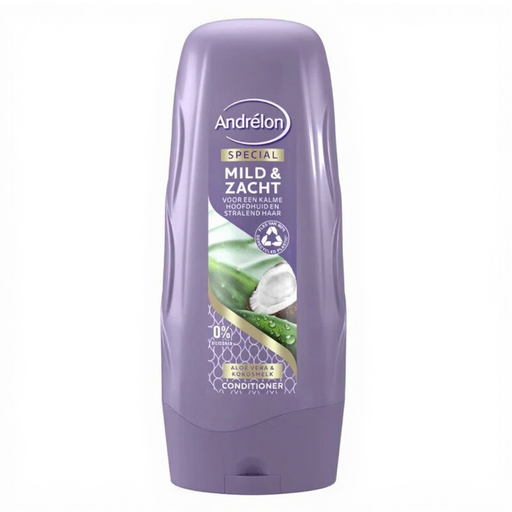
Why this fits the profile: The product information states that this conditioner is suitable for all hair types. That makes it a straightforward choice when you’re looking for a daily hair conditioner without a specific colour or repair routine.
The variant is clearly labelled as Mild & Soft and contains 300 ml. The product specification also states that the formula is silicone-free.
300 ml volume, bottle packaging, suitable for all hair types and, according to the product information, dermatologically tested.
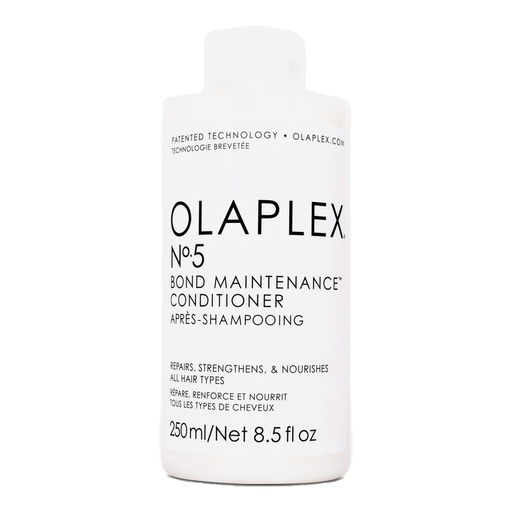
Why this fits the profile: According to the product specification, this formula is intended for all hair types, including bleached and coloured hair, and focuses on hydration and care.
The product information specifies the 250 ml volume and mentions its suitability for different hair textures, rather than just a general target audience.
250 ml volume; according to the product data, vegan, sulphate-free, paraben-free and suitable for coloured hair.
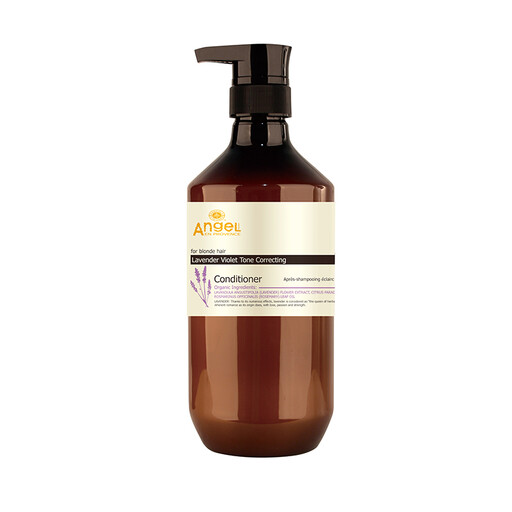
Why this fits the profile: The large size is practical for regular use on blonde hair when you’re specifically looking for a purple toning conditioner.
The product name and specifications explicitly mention toning, blonde hair and the aim of neutralising yellow tones. So you’re not buying a regular conditioner for daily use.
800 ml volume; designed for blonde hair; the instructions advise applying it to the lengths and ends.
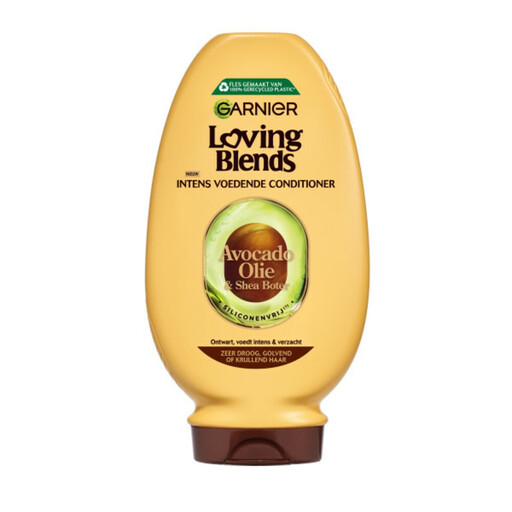
Why this fits the profile: The product information targets very dry and frizzy hair. The combination of avocado oil and shea butter suits anyone looking for richer care for the lengths.
The application isn’t based on shine alone: the product specifically lists very dry and frizzy hair as its target audience. That makes it easier to compare with a lightweight formula.
250 ml volume; vegan according to the product data; silicone-free formula and designed for very dry, frizzy hair.
We’ve put together a full, up-to-date list of products that fully meet these strict selection criteria and comply with current European safety regulations.
For normal, dry or frizzy hair, you can use conditioner after every wash, as long as your hair doesn’t feel heavy. If you have fine hair or a quickly greasy scalp, use a smaller amount and limit application to the lengths and ends.
Check the expiry date or the period-after-opening symbol on the packaging. The shelf life varies from product to product. If the smell, colour or texture changes noticeably, stop using it. Store conditioner sealed, in a dry place and out of direct sunlight.
Not always. Compare the volume in millilitres, the recommended amount and how often you use the product. A concentrated formula may last longer, but a larger size is only good value if the conditioner actually works for your hair.
