
Vandaag of morgen in huis

Kwaliteit gegarandeerd

Welkomstaanbiedingen ontgrendelen: GRATIS bezorging | Tot 80% korting | Gratis 30 dagen JoyPlus-proefperiode
Download de app
Dry hair, frizzy lengths or tangles after washing? A conditioner can make hair softer and easier to comb through, but not every formula works for every hair need. If you rely solely on eye-catching packaging or a promise like “repair”, you can end up paying for a product that’s too heavy, runs out quickly, or doesn’t suit your hair type.
The following points will help you compare conditioners more effectively. After that, you’ll find some popular choices for different situations.
Words like “restorative”, “keratin” and “shine” usually describe the aim or positioning of a formula. They don’t automatically mean that damaged hair will be structurally repaired. Hair fibres cannot heal in the same way as skin tissue. However, a conditioner can make the hair surface feel smoother and help with detangling.
So check which ingredients and usage instructions are on the packaging. According to the product description for Syoss, the Keratin Conditioner is intended for dry and dull hair and contains keratin and blue lotus in its formula. That’s verifiable product information; the final result can vary from person to person.
A value pack of conditioner might seem like a bargain, but you should also look at the price per 100 ml and your own usage. A 250 ml bottle is handy if you like to switch products regularly or for travel. If you use conditioner every day or have long hair, a 440 ml or 550 ml pack could offer better value. A multipack does take up more storage space and is less suitable if you want to try a formula for the first time.
Silicones such as dimethicone and amodimethicone can make hair feel smoother and easier to comb. However, some users prefer a silicone-free conditioner because of the way it makes their hair feel or due to their personal routine. Fragrance and scent ingredients may be less suitable for sensitive individuals. Always check the current ingredients list on the packaging, as formulas can be changed.
First, choose based on the problem you want to address:
A rich conditioner with oils and butters can feel lovely on very dry or thick hair. Fine hair, on the other hand, can quickly feel weighed down. A lighter formula with aloe vera or a silicone-free composition may be a better fit.
A keratin conditioner is especially worth considering when you’re looking for a formula with proteins. Check the full INCI list if you have allergies or want to avoid certain ingredients. “Natural”, “vegan” or “silicone-free” doesn’t on its own tell you how well a product will suit your hair.
A 250 ml conditioner is a standard size for everyday use. Apply the product to the lengths and ends, not usually to the scalp. Leave the conditioner on for a short time as directed on the label, then rinse thoroughly. If you use a lot of product, a value pack of five or six bottles could be more cost-effective. Do check the expiry and opening information on the packaging.
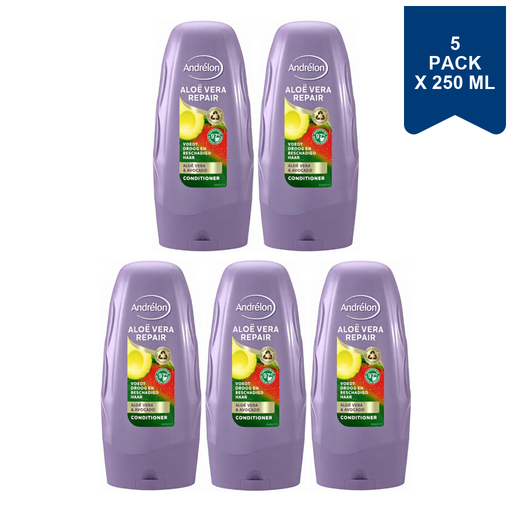
Why it fits this profile: A multipack of five 250 ml bottles is practical for households that use conditioner regularly and want to compare the cost per bottle.
The contents and number of units are clearly stated, so you don’t have to rely solely on the packaging or a general repair promise.
According to the product information, the formula contains aloe vera, avocado and jojoba oil and is intended for dry and damaged hair.
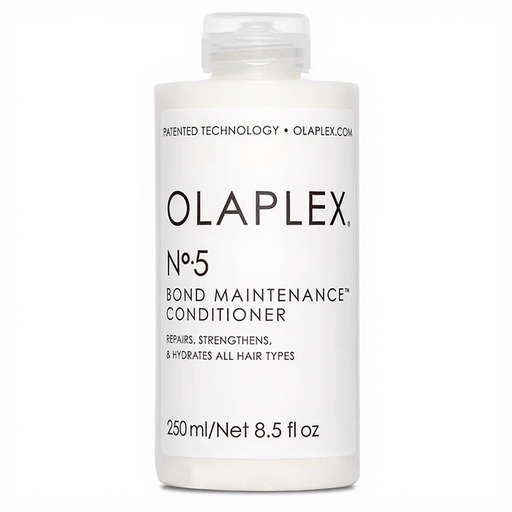
Why it fits this profile: The 250 ml bottle suits adults looking for a targeted formula for dry, coloured or chemically treated hair.
The product details clearly state the purpose, contents and usage. This means you can base your choice on the formula and your hair needs rather than just salon-style marketing language.
According to the product description, the conditioner is designed to hydrate, detangle and improve manageability. The bottle contains 250 ml.
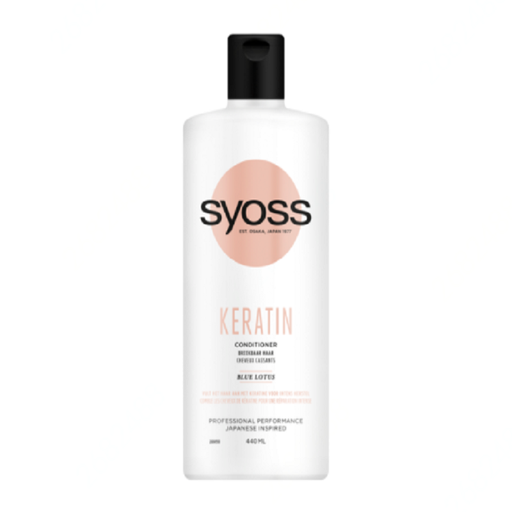
Why it fits this profile: The larger size is suitable for frequent use on dry and dull hair, especially if you apply conditioner after every wash.
The choice is linked to a specific hair profile and a stated contents of 440 ml, not just the term keratin.
According to Syoss, the formula targets dry and dull hair and helps with smoothness and combability. Leave the conditioner on briefly and then rinse it out.
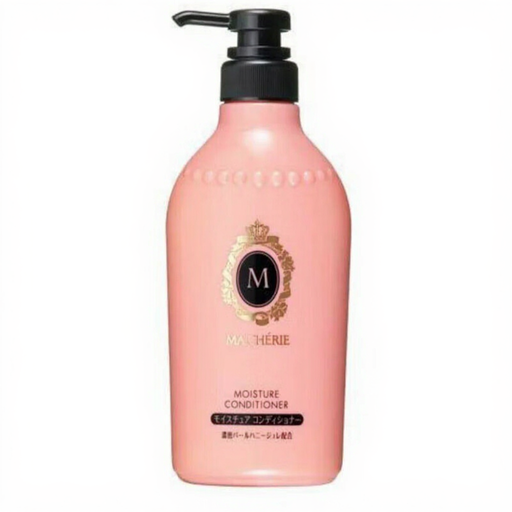
Why it fits this profile: This conditioner suits users who want a silicone-free formula and a generous bottle for their daily routine.
The formula is explicitly stated as silicone-free. This means you can check this criterion in advance rather than noticing a heavy hair feel only after use.
The product information states 450 ml, a silicone-free formula and suitability for all hair types.
We’ve put together a full, up-to-date list of products that fully meet these strict selection criteria and comply with current European safety regulations.
Apply conditioner to wet lengths and ends after rinsing out your shampoo. Distribute a small amount evenly, leave it on for a short time as directed on the label, then rinse thoroughly. With fine hair, less product is often enough.
Follow the expiry information on the packaging. Also look for the symbol showing the period after opening, for example 12M. Keep the bottle closed, at room temperature and out of direct sunlight. If the smell, colour or texture changes noticeably, do not use the product any further.
It can be, but compare the price per 100 ml and check the number of bottles. A 5-pack or 6-pack makes most sense if you already know the product and use it regularly. For a first purchase, a single 250 ml conditioner is usually a lower financial risk.
